

The Anatomy of a Perfect Bite
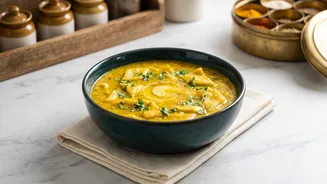
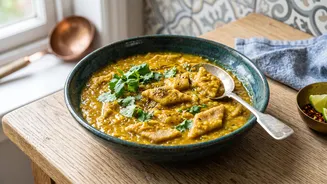
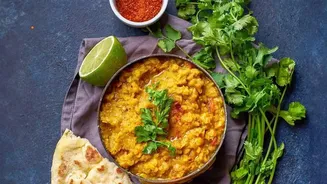
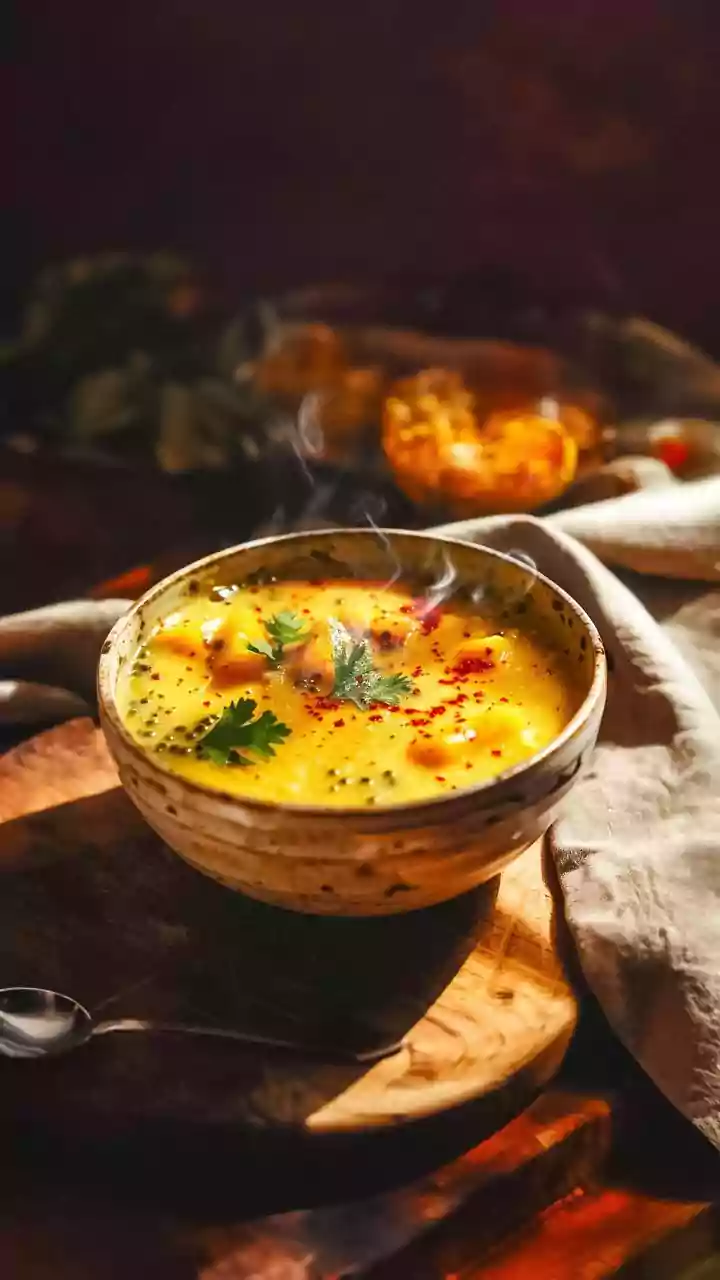
At its core, Dal Dhokli is a beautifully simple concept: soft, tender dumplings made from whole wheat flour are simmered in a flavourful and aromatic lentil stew. The dish is a masterful one-pot meal where two key components come together to create something
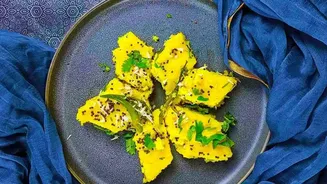
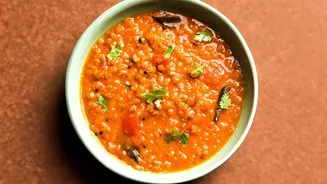
truly special. The ‘Dal’ is typically made from toor dal (split pigeon peas), which is pressure-cooked until creamy and then tempered with a host of spices. The ‘Dhokli’ are small, diamond-shaped pieces of spiced dough, often made with whole wheat flour (atta) and a bit of gram flour (besan) to keep them soft. These dumplings are cooked directly in the simmering dal, allowing them to absorb all the wonderful flavours of the stew, resulting in a texture often compared to a soft, savoury pasta.
A Dish for All Times, Not Just Breakfast
While the headline mentions breakfast, Dal Dhokli is traditionally considered a hearty lunch or dinner meal in most Gujarati households. It's the kind of satisfying dish perfect for a lazy Sunday lunch or a comforting weeknight dinner. Its origin speaks to resourcefulness; many believe it was created as a clever way to use leftover dal from a previous meal. Rather than let the dal go to waste, fresh dhoklis were simmered in it to create a brand new, filling dish. While it can certainly be enjoyed any time of day, its status as a complete meal in itself usually places it at the centre of lunch or dinner, often served with a dollop of ghee and perhaps a side of fresh salad or papad.
The Gujarati Signature: Sweet, Sour, and Spicy
What sets the classic Gujarati Dal Dhokli apart is its signature balance of flavours. The dal is a delightful medley of sweet, sour, and spicy notes, a hallmark of the region's cuisine. This is achieved through the careful addition of jaggery (for sweetness), kokum or tamarind (for a tangy sourness), and a blend of spices like mustard seeds, cumin seeds, fenugreek, and asafoetida (hing) for warmth and pungency. This intricate flavour profile elevates the dish from a simple lentil soup to a complex and deeply satisfying experience. Peanuts are also a common addition, lending a subtle crunch and nutty flavour to the final dish.
Cousins Across the Country
While most famously associated with Gujarat, Dal Dhokli has popular cousins in neighbouring states. In Maharashtra, a similar dish is known as 'Varan Phal' or 'Chakolya'. The Maharashtrian version often uses a special spice mix called goda masala and kokum for a different tangy profile. The Rajasthani version of Dal Dhokli tends to be spicier and uses thicker, round dhoklis instead of the flat, diamond-shaped ones found in Gujarat. These regional variations showcase the adaptability of the core concept—lentils and dough cooked together—while reflecting the unique taste preferences of each culture.
A Modern Comfort Food
In today's fast-paced world, Dal Dhokli continues to be a cherished comfort food. It represents a wholesome, balanced meal all in one pot, combining proteins from the lentils and carbohydrates from the wheat dumplings. This nutritional balance is one reason for its enduring popularity. While traditionally made from scratch, its fundamental concept of being a satisfying, single-pot dish has found new relevance. It has even inspired entrepreneurs to position it as a standalone QSR (Quick Service Restaurant) category, moving it from a dish made only at home to a branded commercial product. This evolution proves that whether made from leftovers or served in a modern takeaway format, the appeal of Dal Dhokli remains timeless.