







The Heat Problem
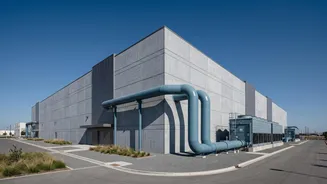
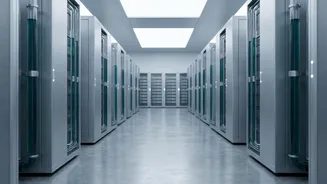
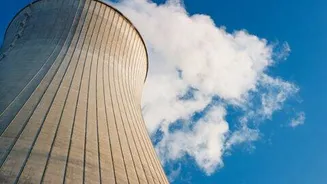
At its core, the issue is simple: computers get hot. The high-performance servers that power artificial intelligence generate an immense amount of heat. To prevent overheating and ensure stable operation, this heat must be constantly removed. For many
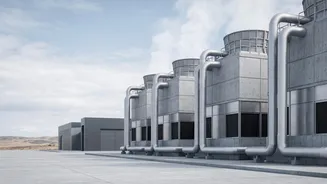
of the world's largest data centres, the most efficient way to do this is through evaporative cooling. This process involves using water, which absorbs heat as it evaporates, often in large cooling towers. This method is highly effective from an energy standpoint, but it means that data centres are constantly 'drinking' huge quantities of water, most of which is lost to the atmosphere as vapour.
A Staggering Thirst
The scale of water consumption is difficult to comprehend. A single large data centre can use up to 5 million gallons of water per day, a volume comparable to the daily needs of a town of up to 50,000 people. While this is a high-end estimate, even medium-sized facilities can consume hundreds of thousands of gallons daily. Tech giants have seen their water usage climb accordingly; Google's data centre water consumption grew from 4.3 billion gallons in 2021 to 6.1 billion gallons in 2024. This thirst isn't just for cooling. It includes the vast amount of 'indirect' water used to generate the electricity that powers the servers and the water used in the manufacturing of the chips themselves.
The Cost of a Query
The conversation around AI's water footprint has often been framed by the consumption of a single query. Early estimates suggested a handful of interactions with a large language model could use a full bottle of water. While updated figures and company disclosures suggest the direct, on-site water use per query is much smaller, the cumulative impact remains enormous. Training a model like GPT-3, a one-time event, was estimated to consume about 700,000 litres of freshwater directly on-site. When billions of users interact with these models daily, even tiny amounts of water per query add up to a significant global demand, with projections suggesting AI's total water withdrawal could reach billions of cubic meters by 2027.
Impact on Local Communities
This massive water withdrawal is raising concerns, particularly as many data centres are built in water-scarce regions. The arrival of a data centre can place a sudden and significant strain on local water supplies, putting tech companies in competition with agriculture and residents for a finite resource. In one instance, a Microsoft data centre cluster in Iowa drew about 6% of the local water district's entire supply during a month when it was believed to be training GPT-4. This has led to public backlash and increased scrutiny from local governments, who are beginning to question the trade-offs of offering incentives to attract facilities with such a heavy environmental footprint.
The Hunt for Greener Cooling
In response to growing pressure and concerns about sustainability, the industry is actively exploring and implementing more efficient cooling technologies. Innovations include closed-loop systems that recycle water instead of constantly consuming it, which can drastically reduce freshwater use. Other promising methods include direct liquid cooling, where a dielectric fluid circulates in direct contact with hot components, and immersion cooling, which involves submerging entire servers in a thermally conductive liquid. Some companies are also turning to 'free cooling' by using ambient air in cooler climates, eliminating the need for water entirely for much of the year. However, many of these advanced systems are more expensive and are not yet the standard across the industry.