





Myth: A Scoop of Powder Is a Shortcut to Gains
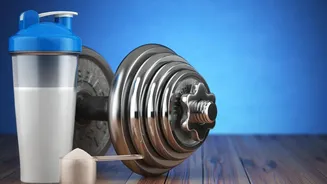
This is the most persistent myth of all. The idea that drinking a protein shake will automatically lead to muscle growth is simply not true. Think of it this way: protein provides the 'bricks', but resistance training is the 'construction worker' that tells
your body to build the wall. When you lift weights or perform other demanding exercises, you create tiny micro-tears in your muscle fibres. This signals a process called muscle protein synthesis (MPS), where the body rushes to repair this 'damage'. Having adequate protein available, broken down into its constituent amino acids, provides the raw material for this repair process. Your muscles then rebuild themselves to be stronger and larger to better handle that stress in the future. Without the initial stimulus of exercise, simply consuming extra protein won't trigger significant muscle growth. The amino acids will be used for other bodily functions or, if consumed in excess, potentially stored as fat.
Myth: More Protein Is Always Better
If some protein is good, more must be better, right? Not exactly. Your body has a limit to how much protein it can effectively use for muscle protein synthesis at one time. While the exact amount varies based on body weight and activity level, most research suggests that consuming 20-40 grams of high-quality protein per meal is enough to maximize the muscle-building response. Consuming significantly more than this in a single sitting doesn't appear to offer additional muscle-building benefits. The body is incredibly resourceful; excess protein doesn't just vanish. It can be converted and used for energy or, in a calorie surplus, stored as fat. For most active individuals, a daily intake of around 1.6 grams of protein per kilogram of body weight, spread throughout the day, is often cited as an effective target for supporting muscle growth. Anything beyond that shows diminishing returns for muscle and might just be an expensive addition to your diet.
Myth: Protein Powders Are Dangerous Steroids
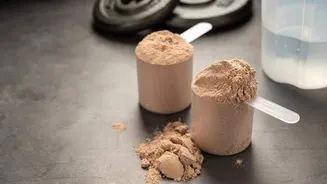
This is a harmful and inaccurate misconception. Reputable protein powders are dietary supplements, essentially food in a powdered form. Whey and casein are derived from milk, while plant-based options come from sources like peas, soy, or rice. They are not anabolic steroids, which are synthetic hormones that can have significant and dangerous side effects. The confusion often comes from marketing that features professional bodybuilders, but the supplement itself doesn't contain performance-enhancing drugs. Protein powders simply provide a convenient and concentrated source of amino acids—the same building blocks you get from eating chicken, eggs, lentils, or fish. Always purchase supplements from trusted, third-party tested brands to ensure you are getting a clean, safe product free from contaminants.
Myth: All Protein Powders Are Created Equal
The protein aisle can be overwhelming, but knowing the key differences can help you choose the right product for your goals. The most common types are whey, casein, and plant-based proteins. Whey is a milk-derived protein that digests very quickly, making it a popular choice for post-workout recovery because it rapidly delivers amino acids to your muscles. Casein, the other protein found in milk, digests much more slowly, providing a sustained release of amino acids over several hours. This makes it a good option between meals or before bed. Plant-based proteins, made from sources like pea, rice, or soy, are excellent for those who avoid dairy or follow a vegan diet. Modern plant protein blends are often formulated to provide a complete amino acid profile, making them just as effective for muscle support. The best choice depends on your dietary needs, preferences, and timing.
Myth: Protein Shakes Are Only for Elite Bodybuilders
While bodybuilders certainly use protein supplements, their benefits are not exclusive to elite athletes. Protein is a crucial nutrient for everyone. A protein shake can be a convenient tool for a wide range of people to meet their daily needs. This includes casual gym-goers looking to support recovery, busy professionals who need a quick and filling meal replacement, or even older adults aiming to combat age-related muscle loss (sarcopenia). For anyone who struggles to get enough protein from whole foods alone, a supplement can help fill the gap efficiently. It's not about becoming bulky; it's about providing your body with the essential building blocks it needs for repair, maintenance, and overall health.