

More Than Just a Train Ride
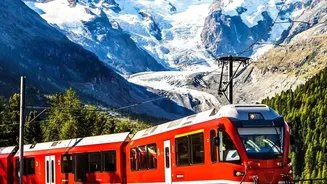
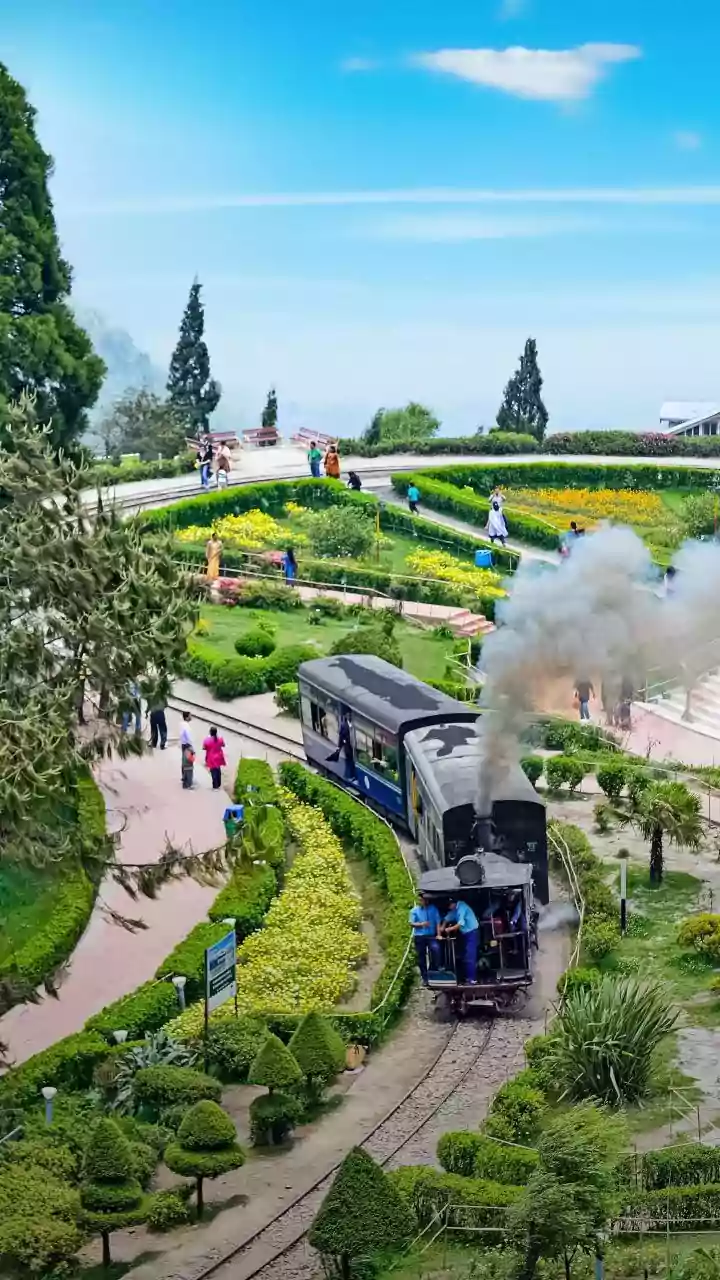
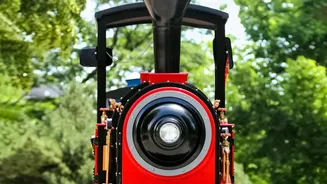
The chug of the engine, the gentle rock of the carriage, and the panoramic views of the Shivalik foothills unfolding outside your window—a journey on the Kalka-Shimla Railway is an experience for the senses. Affectionately known as the 'toy train' for its
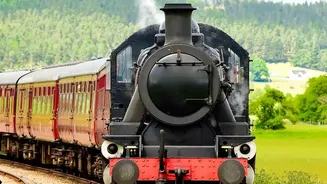
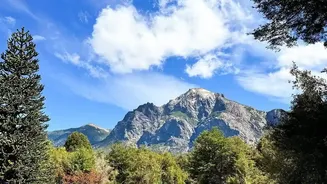
narrow-gauge tracks and charmingly proportioned coaches, this railway is far more than a quaint mode of transport. It is a moving museum, a 96.6-kilometre-long testament to an ambitious engineering vision that conquered a challenging mountain scape. The five-to-six-hour journey climbs over 1,400 metres in altitude, a slow, deliberate ascent that allows passengers to absorb the breathtaking transition from the plains of Kalka to the cool air of Shimla, the former summer capital of British India.
An Engineering Feat of a Bygone Era
Opened in 1903 after five years of monumental effort, the railway was built to connect Shimla with the rest of the Indian rail system. The task, led by engineer Herbert Septimus Harington, was immense. To navigate the steep gradients and rugged terrain, workers built a line that features an astonishing 919 curves, over 800 bridges, and originally 103 tunnels (102 of which are still in use). These aren't just functional structures; many, like the multi-arched stone bridges, resemble ancient Roman aqueducts and are marvels of architecture in their own right. The longest tunnel, at Barog, stretches over a kilometre and has its own folklore, named after the British engineer who supervised its construction. This incredible feat of engineering was recognized on the world stage in 2008 when UNESCO added the Kalka-Shimla Railway to its list of World Heritage Sites as part of the Mountain Railways of India.
A Journey Through Time and Nature
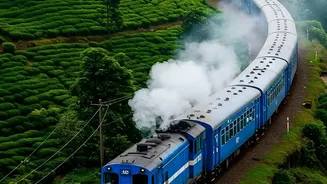
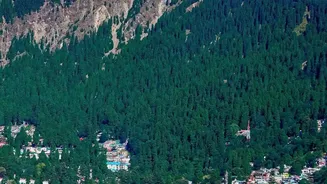
The train ambles at a leisurely pace of around 25-30 km/h, encouraging you to slow down and notice the details. Outside, the scenery shifts from lush green valleys and dense pine forests to charming hillside villages where daily life unfolds at a gentle rhythm. The journey is punctuated by stops at 20 picturesque stations, many of which seem frozen in time with their colonial-era architecture. Key stations like Dharampur, Barog, and Solan offer brief pauses, allowing travellers to stretch their legs and soak in the atmosphere. The Barog station is a particular highlight, known not just for its famous tunnel but also its beautiful platform, offering a perfect photo opportunity. As the train nears Shimla, passing through Summer Hill, the air gets crisper, a reminder of why the British established their summer retreat here.
Keeping History on Track
Maintaining a railway line that is over a century old, especially one that runs through a region prone to heavy monsoons and landslides, is a continuous challenge. The line has faced disruptions, particularly during harsh weather. In recent years, significant restoration efforts have been undertaken to repair tracks and bridges damaged by landslides, ensuring the safety and continuity of this heritage route. Indian Railways has also introduced modern amenities like the Vistadome coaches, which feature glass ceilings and large windows, offering an even more immersive scenic experience without compromising the historic charm of the journey. These efforts underscore a commitment to preserving the railway not as a static relic, but as a dynamic, living piece of India's heritage.