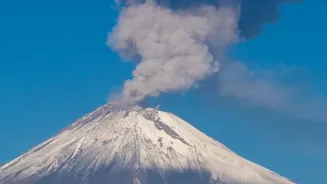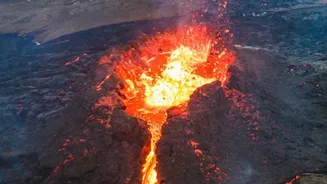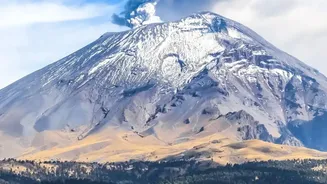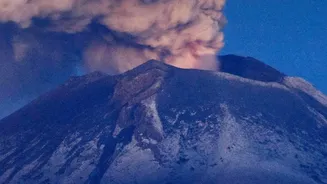


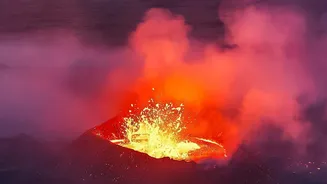
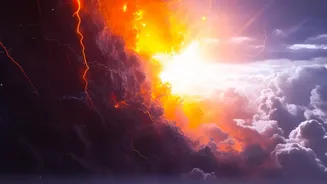
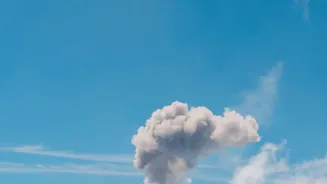
Volcán de Fuego, Guatemala (2018)
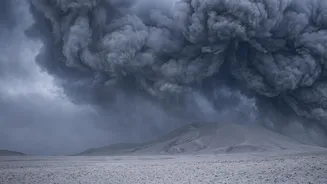
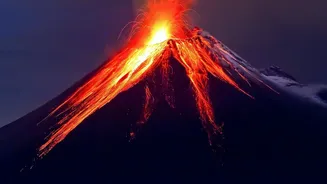
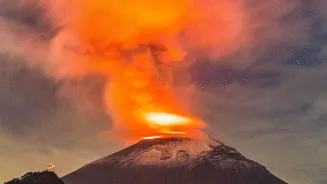
Regarded as one of the deadliest eruptions of the 21st century, the eruption of Guatemala's "Volcano of Fire" on June 3, 2018, was a catastrophic event. Fast-moving pyroclastic flows—scorching clouds of hot gas, ash, and rock—descended from the volcano,
burying entire villages like San Miguel Los Lotes and El Rodeo. The official death toll reached nearly 200, with over 200 more reported missing, presumed dead after being entombed by the volcanic material. The eruption affected more than 1.7 million people, forcing thousands to evacuate and blanketing the surrounding region, including parts of the capital, Guatemala City, in a thick layer of ash. The disaster highlighted the extreme danger posed by pyroclastic flows, which can travel at immense speeds, leaving those in their path with virtually no time to escape.
Mount Merapi, Indonesia (2010)
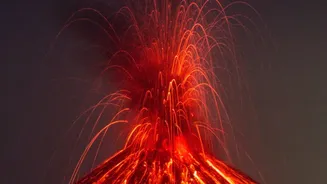
Mount Merapi, one of Indonesia's most active and dangerous volcanoes, unleashed its largest eruption in over a century starting in late October 2010. The series of violent explosions generated massive pyroclastic flows and sent ash plumes high into the atmosphere, causing widespread disruption to aviation across Java. The human cost was severe, with 386 people killed and over 350,000 forced to evacuate their homes on the volcano's densely populated slopes. The eruption had significant economic consequences, with losses estimated at over US$780 million, including destroyed homes, lost crops, and cancelled international flights. The event served as a powerful illustration of the immense challenge of managing life in the shadow of such a relentlessly active volcano, even with robust scientific monitoring.
Mount Nyiragongo, DR Congo (2002)
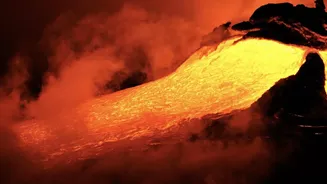
In January 2002, Mount Nyiragongo erupted, sending a torrent of fast-moving lava towards the city of Goma in the Democratic Republic of Congo. The volcano is notorious for its extremely fluid lava, which can flow at speeds up to 60 km/h, making evacuations difficult. While 400,000 people were evacuated, the eruption still resulted in around 245 deaths, many from carbon dioxide asphyxiation and collapsing buildings. The lava flows destroyed 15% of Goma, including parts of the international airport, and left approximately 120,000 people homeless. The disaster underscored the unique dangers of volcanoes with low-viscosity lava located near major urban centers. A subsequent eruption in 2021 again threatened the city, killing at least 32 people and destroying over 1,000 homes.
Eyjafjallajökull, Iceland (2010)
While it caused zero direct fatalities, the April 2010 eruption of Iceland's Eyjafjallajökull had perhaps the most significant global impact of any 21st-century eruption. The key was its location and the nature of the eruption; magma interacting with glacial ice produced a plume of very fine, glassy ash that was carried by the jet stream directly into Europe's busiest airspace. Worried the abrasive ash would cause catastrophic jet engine failure, authorities grounded flights across the continent for six days. The result was the largest air-traffic shutdown since World War II, with over 100,000 flights cancelled, stranding some 10 million passengers and costing the airline industry an estimated $1.7 billion in lost revenue. The event was a wake-up call, demonstrating how a remote volcano could bring the modern, globalized world to a standstill.
Hunga Tonga-Hunga Ha'apai, Tonga (2022)
The submarine eruption of Hunga Tonga-Hunga Ha'apai on January 15, 2022, was the largest atmospheric explosion recorded in the satellite era, with a force hundreds of times more powerful than an atomic bomb. It generated a tsunami that devastated the Tongan islands and was felt as far away as Peru, where two people drowned. But its most unique global impact was atmospheric. Unlike most large eruptions that inject cooling sulfur dioxide into the stratosphere, this underwater blast injected an unprecedented amount of water vapor—an estimated 146 million tons. This massive injection increased the total water content in the stratosphere by about 10%. While scientists concluded it did not cause the record global temperatures in 2023-24, the event provided an unparalleled opportunity to study how water-rich eruptions can affect Earth's climate and atmosphere.