


A Map on a Plate
The breakfast table in India is a vibrant reflection of its agricultural and cultural geography. Far from being a monolithic concept, the first meal of the day varies dramatically from state to state, dictated by climate, local harvest, and time-honoured
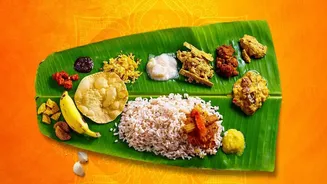
traditions. The primary distinction lies in the staple grain. While North India has historically relied on wheat, the South has built its culinary identity around rice and lentils. This fundamental difference gives rise to two distinct breakfast philosophies: the hearty, bread-focused meals of the North and the light, fermented delicacies of the South. This variety is not just about taste but about what the land provides, making breakfast a daily celebration of regional identity.
The Southern Art of Fermentation
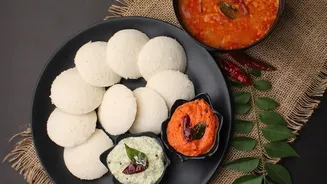
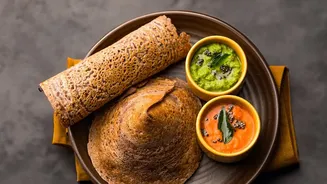
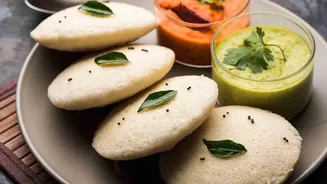
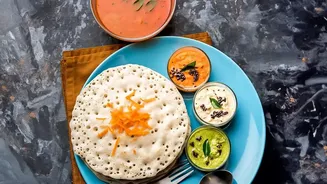
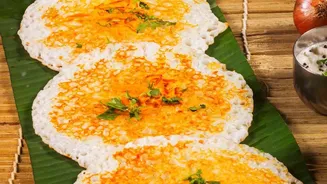
In South India, breakfast is a science of fermentation. The iconic idli and dosa are born from a batter of soaked rice and urad dal (black gram). This mixture is left to ferment, allowing microorganisms to work their magic, breaking down starches and proteins. This process not only makes the resulting steamed cakes (idli) and crepes (dosa) incredibly light and digestible but also enhances their nutritional profile, making minerals like iron and zinc more available to the body. Different regions have their own unique versions. Karnataka's 'thatte idli' is a large, plate-sized version, while Goan 'sannas' use toddy for a slightly sweet, fluffy texture. This mastery over batter showcases a deep understanding of food science passed down through generations.
The Hearty Breads of the North
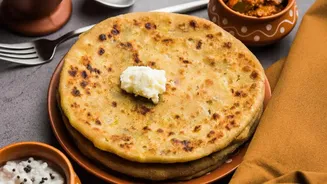
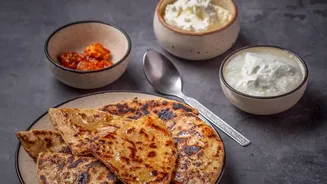
Travel north, and the breakfast landscape shifts to unleavened flatbreads made primarily from wheat flour. The most famous of these is the paratha, a versatile bread that can be enjoyed plain or stuffed with a variety of fillings like spiced potatoes (aloo), cauliflower (gobi), or paneer. Cooked on a flat pan (tawa) with ghee or oil, these breads provide sustained energy for the day. Another breakfast staple is puri, a deep-fried bread that puffs up into a delightful ball of steam and air, often paired with a spicy potato curry (aloo sabzi). In Bihar, you'll find sattu parathas, filled with roasted gram flour, showcasing how even within a wheat-dominant region, other grains and flours find their way onto the morning plate.
Gram Flour and Millets in the West
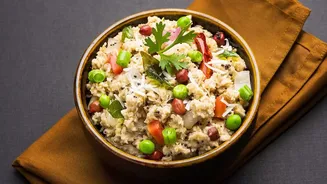
In Western states like Gujarat and Maharashtra, breakfast is a diverse affair featuring gram flour and millets. Gujarat is famous for dhokla, a savoury, spongy cake made from a fermented batter of gram flour (besan), which is steamed and then tempered with mustard seeds and curry leaves. Another Gujarati favourite is the thepla, a soft flatbread made from whole wheat flour, fenugreek leaves, and spices. In Maharashtra, the go-to breakfast is poha, flattened rice flakes quickly sautéed with onions, turmeric, and mustard seeds. These dishes are often light yet filling, designed for a quick and nutritious start. The use of pearl millet (bajra) and sorghum (jowar) is also common, especially in rural areas, connecting breakfast to the region's hardy, drought-resistant crops.
The Revival of Ancient Grains
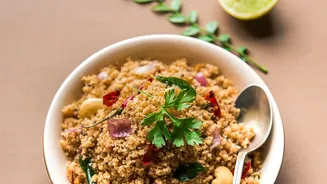
Across India, there is a growing movement to bring ancient grains back to the breakfast table. Millets like ragi (finger millet), jowar (sorghum), and bajra (pearl millet), once considered humble foods, are now celebrated for their high nutritional value. They are gluten-free, rich in fibre, and have a low glycemic index, making them a healthy alternative to refined wheat and rice. Chefs and home cooks are creatively incorporating these grains into modern and traditional recipes, from ragi dosas and jowar upma to millet porridge. This revival is not just a health trend but a rediscovery of India's deep agricultural heritage and a move towards more sustainable and diverse eating habits.