





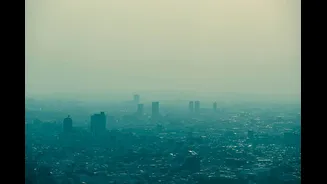

Why Smog Wrecks Your Throat
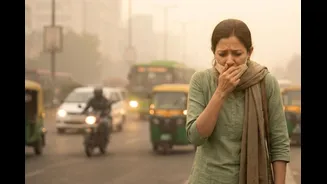
The air during a smog episode is a cocktail of harmful pollutants. Tiny particulate matter, known as PM2.5, along with gases like sulfur dioxide and nitrogen dioxide, are small enough to bypass your body's natural filters and lodge deep in your respiratory
tract. This direct contact with the sensitive lining of your throat causes irritation, inflammation, and dryness, leading to that raw, scratchy feeling, a persistent dry cough, and discomfort when swallowing. For many, this is the beginning of the 'Delhi Throat', an annual affliction that marks the arrival of peak pollution season.
Soothing vs. Treating: The Critical Distinction
It's vital to understand that a sore throat is a symptom, not a diagnosis. Soothing focuses on providing temporary relief from this symptom. Think of it as calming the irritation. Treating, on the other hand, means tackling the root cause of the problem, which is typically a viral or bacterial infection. While pollution can cause irritation on its own, it also weakens your respiratory system's defences, making you more susceptible to infections. Using soothing methods for a true infection won't cure it, and using antibiotics for simple irritation is ineffective and contributes to resistance.
Effective Ways to Soothe a 'Smog Throat'
When the cause is simply environmental irritation, several home remedies can provide significant relief. Staying hydrated by drinking plenty of warm fluids like water, clear soups, and herbal teas helps keep the throat moist. Many in India find comfort in traditional preparations like ginger-tulsi tea, or turmeric milk. Gargling with warm salt water several times a day is a proven method to reduce swelling and clear irritants. Inhaling steam can also moisturise dry airways. At home, using a humidifier can combat the dry air that often makes throat irritation worse.
Is It Just Irritation or an Infection?
Knowing how to read your symptoms is crucial. A pollution-induced sore throat usually feels like a scratchy, dry, or burning sensation. It may be accompanied by watery eyes and a runny nose, and often feels worse after spending time outdoors. An infection, however, typically brings additional, more severe symptoms. These are the red flags to watch for: a significant fever, body aches, swollen glands in the neck, extreme fatigue, and the appearance of white spots or pus on your tonsils. A viral infection usually resolves on its own in about a week, while a bacterial infection like strep throat requires antibiotics.
When to See a Doctor Without Delay
While many smog_related throat issues can be managed at home, you should not hesitate to seek medical advice if symptoms persist or are severe. You should see a doctor if your sore throat doesn't improve after a week. Seek immediate medical attention if you experience difficulty breathing or swallowing, chest tightness or pain, a high fever, or if you start coughing up blood. These can be signs of a more serious condition like pneumonia or severe bronchitis, which can be exacerbated by pollution. People with pre_existing conditions like asthma or COPD should be especially cautious and consult their doctor sooner.