





The Foundation of Flawless Makeup
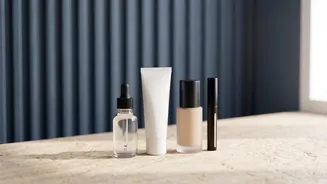
Before any colour comes into play, your skin needs to be a perfectly prepped canvas. This initial stage is non-negotiable for makeup that glides on smoothly and lasts all day. Start by cleansing your face to remove any oil, dirt, or leftover product.
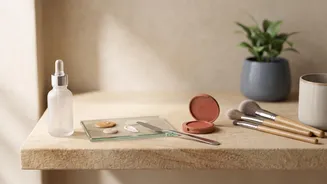
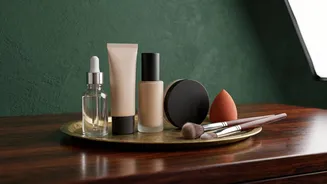
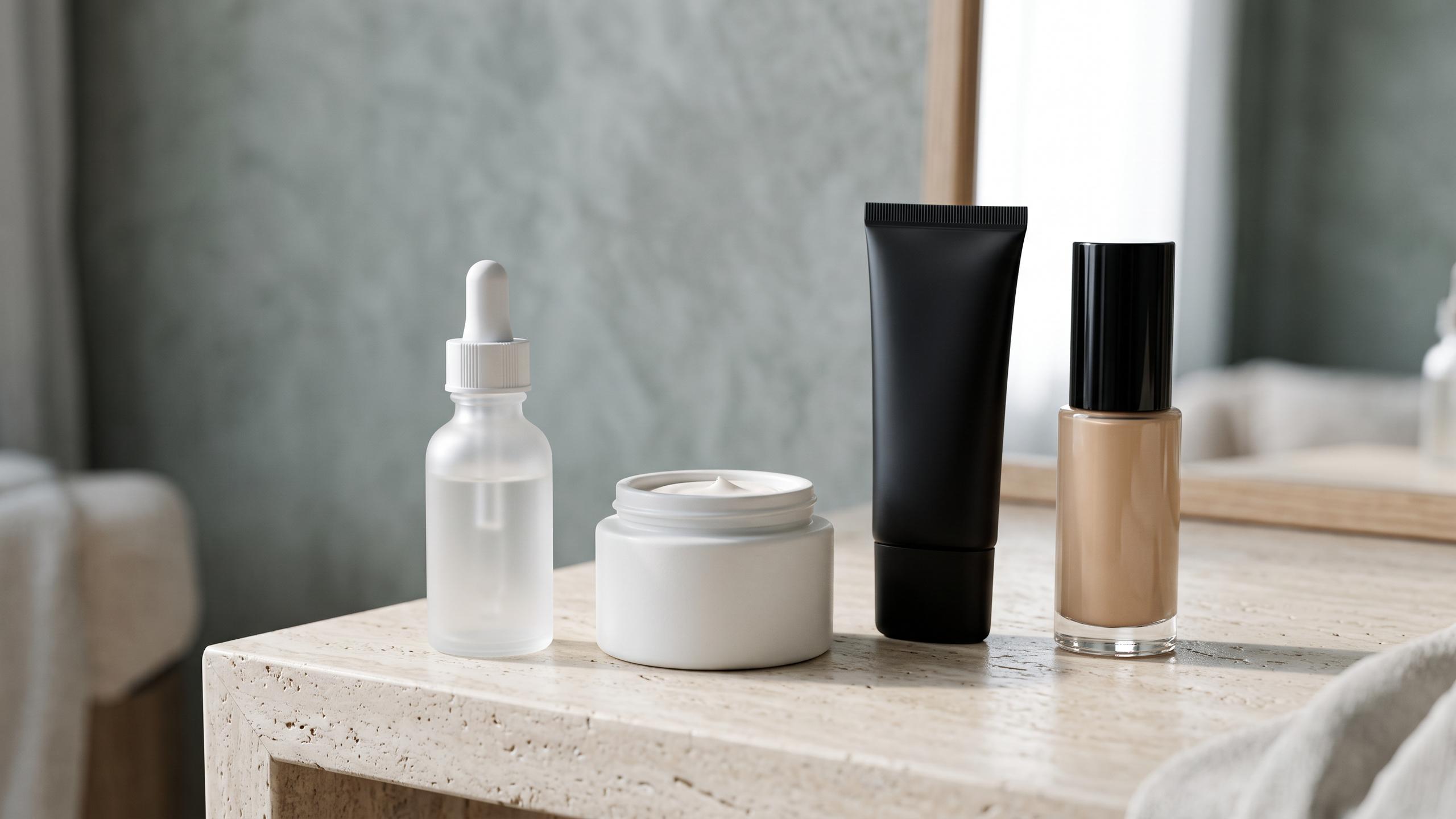
Follow this with a gentle exfoliation if needed to slough away dead skin cells that can cause patchiness. The next, and perhaps most crucial, step is hydration. Apply your preferred serums and a moisturiser suited to your skin type to plump the skin and create a smooth surface. This prevents makeup from settling into fine lines or clinging to dry spots. Finish with a primer, which acts as a barrier and gives your foundation something to grip onto, ensuring longevity.
Building Your Base: Foundation First
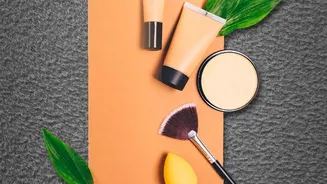
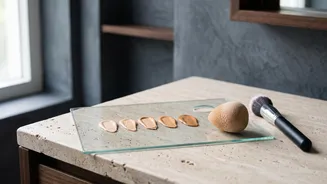
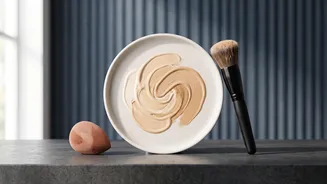
With your skin prepped and primed, it's time to create an even base. Most makeup artists recommend applying foundation before concealer. The logic is simple: foundation's primary job is to even out your overall skin tone, reducing redness and minor discolourations. By applying a thin layer of foundation first, you create a uniform canvas and can more accurately assess where you need extra coverage. This approach often means you'll end up using significantly less concealer, which is key to avoiding a heavy or cakey look. Think of foundation as the broad stroke that does most of the work, allowing concealer to be used more strategically later.
Targeted Concealment: Less is More
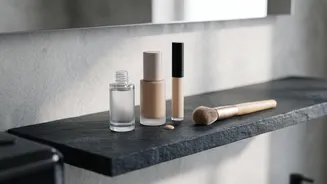
Once your foundation is blended, you can address any remaining areas of concern with concealer. This includes dark under-eye circles, blemishes, or areas of stubborn redness. Applying concealer after foundation allows for precise, targeted application without wasting product on areas that are already covered. Use a shade that is slightly lighter than your foundation to brighten the under-eye area. For blemishes, a concealer that matches your foundation shade works best. The key is to apply thin layers and build up coverage only where necessary. This technique ensures a natural finish that enhances your features rather than masking them.
The Golden Rule: Creams Before Powders
This is one of the most important principles in facial layering. Always apply your liquid and cream products before any powders. This includes cream blush, liquid highlighter, and cream contour. These products are designed to blend seamlessly into your liquid foundation base. Applying a cream or liquid over a powder can cause the makeup to look patchy, streaky, or cakey because the liquid will disturb the set powder underneath. So, after your foundation and concealer, build your dimension and colour with any cream formulas you're using. Gently tap or blend them onto the skin before moving to the final setting step.
Setting The Stage with Powder
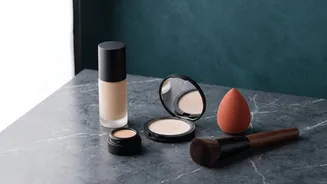
With all your cream and liquid layers in place, it's time to lock everything in. This is where powder comes into play. Use a translucent or skin-toned setting powder to lightly set the areas where you applied foundation and concealer, especially in oil-prone zones like the T-zone or under the eyes to prevent creasing. This step is crucial for longevity, as it helps absorb excess oil and prevents your base makeup from shifting or fading throughout the day. For a modern, skin-like finish, apply powder strategically only where needed, rather than all over the face. This maintains a natural luminosity in areas like the cheekbones.
Adding Final Dimension with Powder Colour
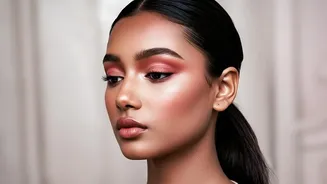
Once your base is set, you can enhance your features further with powder-based colour products. This is the time to apply powder bronzer, powder blush, and powder highlighter. These products are designed to glide smoothly over a powdered base. For example, you can use a powder blush on the apples of your cheeks to add a final flush of colour or layer a powder bronzer over your cream contour to intensify the definition. Layering a powder blush over a cream blush can also dramatically increase its staying power. This final step brings life and dimension back to the face, completing the layered, professional-looking finish.