





The Affordability Engine
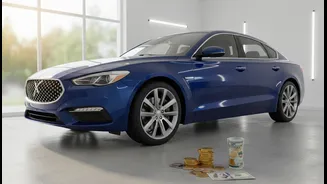
One of the biggest barriers to car ownership has always been the upfront cost, but that hurdle is becoming significantly lower. Banks and non-banking financial companies (NBFCs) are aggressively courting car buyers with attractive financing schemes. As
of mid-2026, interest rates for new car loans remain competitive, with many major banks offering rates starting from around 8.25% to 8.75% for customers with good credit scores. Lenders are also providing more flexible repayment options, including longer tenures of up to eight years, which brings down the Equated Monthly Instalment (EMI) to a more manageable level. Furthermore, the entire loan application process has been streamlined through digital platforms, allowing for quicker approvals and disbursals. Some banks are even offering up to 100% on-road financing, eliminating the need for a substantial down payment and making the dream of owning a car an immediate reality for many.
A Push from Policy
The government has played a crucial role in stoking this demand through a series of strategic policy interventions. The Goods and Services Tax (GST) structure for automobiles, which was rationalised in late 2025, has created a more stable and affordable pricing environment. Small cars, in particular, have benefited from a lower GST slab, making them more accessible. For electric vehicles, a concessional 5% GST rate continues to make them an attractive alternative. Beyond GST, the Vehicle Scrappage Policy is gaining traction. It incentivises owners to trade in their old, polluting vehicles for new ones by offering a host of benefits, including a scrap value for the old car, a road tax rebate of up to 25% on the new vehicle, and potential manufacturer discounts. Cumulatively, these benefits can significantly reduce the effective price of a new car, especially for those switching from an old internal combustion engine vehicle to a new EV.
A Smorgasbord of Choices
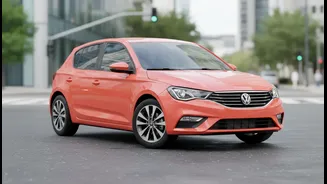
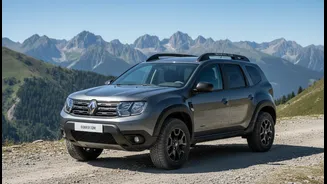
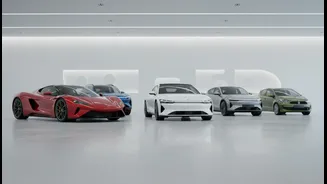
Today's car buyer in India is spoilt for choice. Automakers have unleashed a flurry of new models across all segments, creating immense excitement in the market. The first half of 2026 alone has seen numerous launches, from family-friendly SUVs to technologically advanced hybrids and EVs. The utility vehicle (UV) segment, in particular, continues its dream run, dominating sales charts and growing at a faster pace than even passenger cars. Brands like Maruti Suzuki, Tata, Mahindra, Kia, and Hyundai are constantly refreshing their portfolios with facelifts and new-generation models, equipped with the latest features, safety technology, and diverse powertrain options including petrol, diesel, CNG, hybrid, and electric. This sheer variety ensures that there is a vehicle to meet every need, preference, and price point, which is a powerful catalyst for sales.
The Trifecta Effect
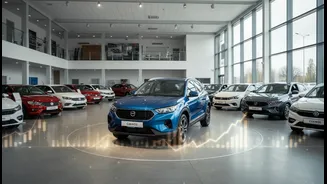
These three drivers—financing, tax relief, and product choice—are not working in isolation. Their real power lies in their synergy. Easier and more affordable financing makes the vast array of new products accessible to a much wider audience. A potential buyer, tempted by a newly launched SUV, can now more easily secure a loan with a comfortable EMI. Tax benefits, like those from the scrappage policy or lower GST rates, further sweeten the deal by reducing the total cost of acquisition. This 'trifecta effect' has created a virtuous cycle: new models generate desire, accessible loans provide the means, and government incentives offer the final nudge. This powerful combination is what propelled the Indian passenger vehicle market to its highest-ever sales for the first quarter of the 2026-27 fiscal year, with a robust growth of nearly 26% year-on-year.