


Beyond a Diet: A Lifestyle Pattern
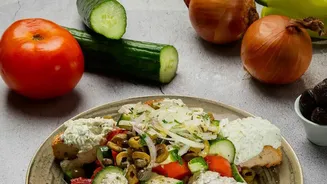
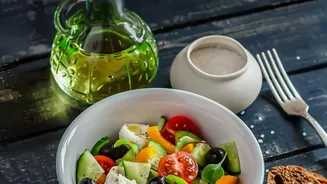
When people hear “Mediterranean diet,” they often picture plates of Greek salad and Italian pasta. But it’s not about specific recipes; it’s a pattern of eating inspired by the traditional habits of people living in countries like Greece, Spain, and Southern
Italy. For centuries, these cultures have built their meals around fresh, whole foods. Unlike many modern diets that focus on restriction, this approach emphasizes abundance, flavour, and enjoyment. It is recognised by the World Health Organization as a healthy and sustainable dietary pattern. The focus is on what to add to your plate, not just what to take away, making it a positive and empowering approach to long-term health.
The Foundational Principles of Eating Well
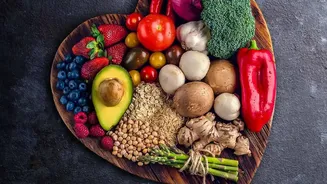
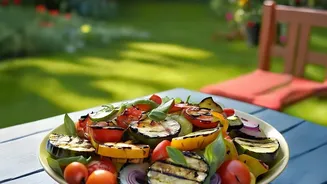
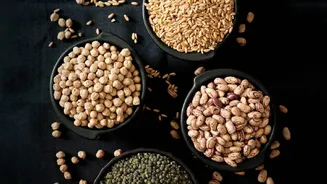
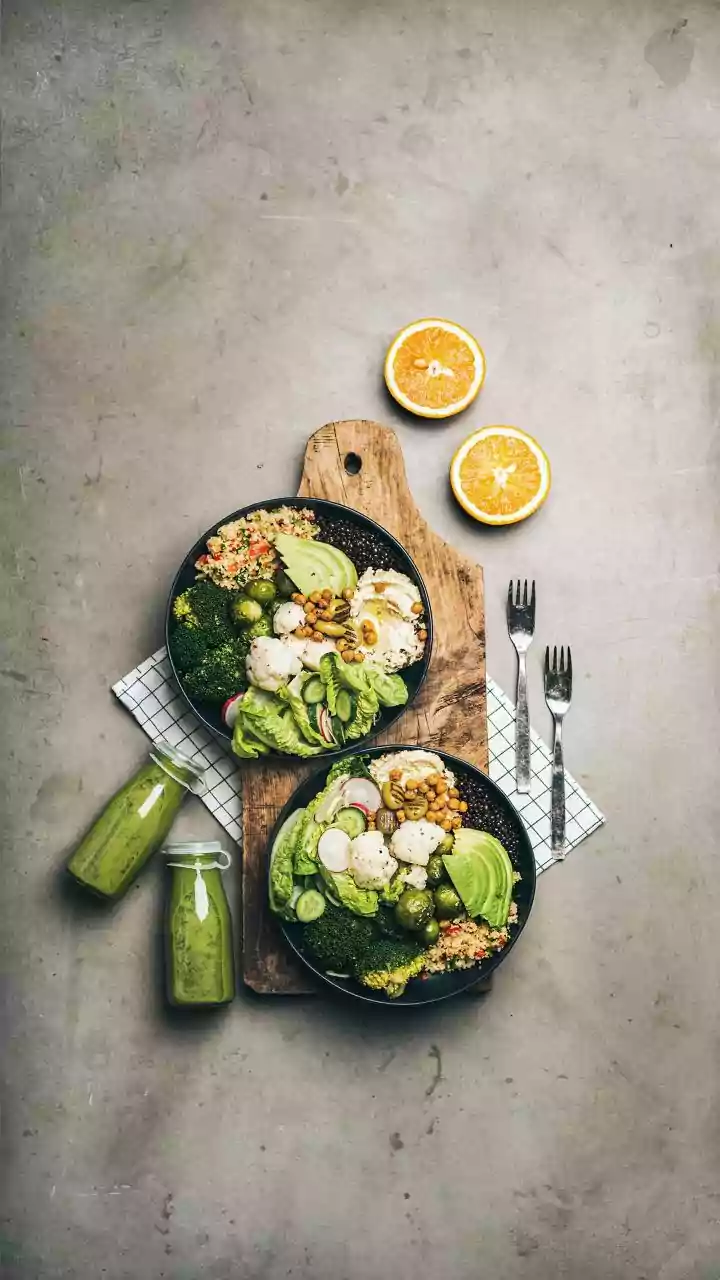
The strength of the Mediterranean eating pattern lies in its simple, nutrient-dense foundation. The core principles encourage a high intake of plant-based foods, including a wide variety of vegetables, fruits, whole grains, legumes like beans and lentils, nuts, and seeds. Extra virgin olive oil is the main source of fat, used for everything from cooking to dressing salads. This provides healthy monounsaturated fats that are beneficial for heart health. Protein comes primarily from fish and seafood enjoyed several times a week, along with moderate amounts of poultry and eggs. Dairy products, like yogurt and cheese, are consumed in moderation, while red meat and processed foods with added sugars are limited.
The Flexibility Factor: Not One Size Fits All
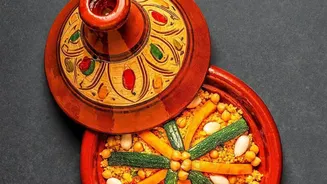
The term “Mediterranean diet” is a modern summary of a very diverse reality. There isn’t just one single Mediterranean diet. The eating habits in Greece are different from those in Spain or Morocco, shaped by local agriculture, culture, and economy. For example, some regions might use more butter or other traditional fats alongside olive oil. This is the diet’s greatest strength: its inherent flexibility. It provides a template, not a strict rulebook. This means you don't need to hunt for exotic ingredients. The goal is to apply the principles using foods that are accessible, affordable, and seasonal in your own region.
Adapting the Way for the Indian Kitchen
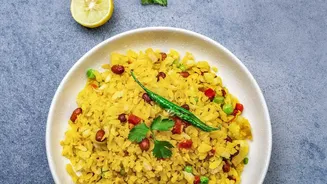
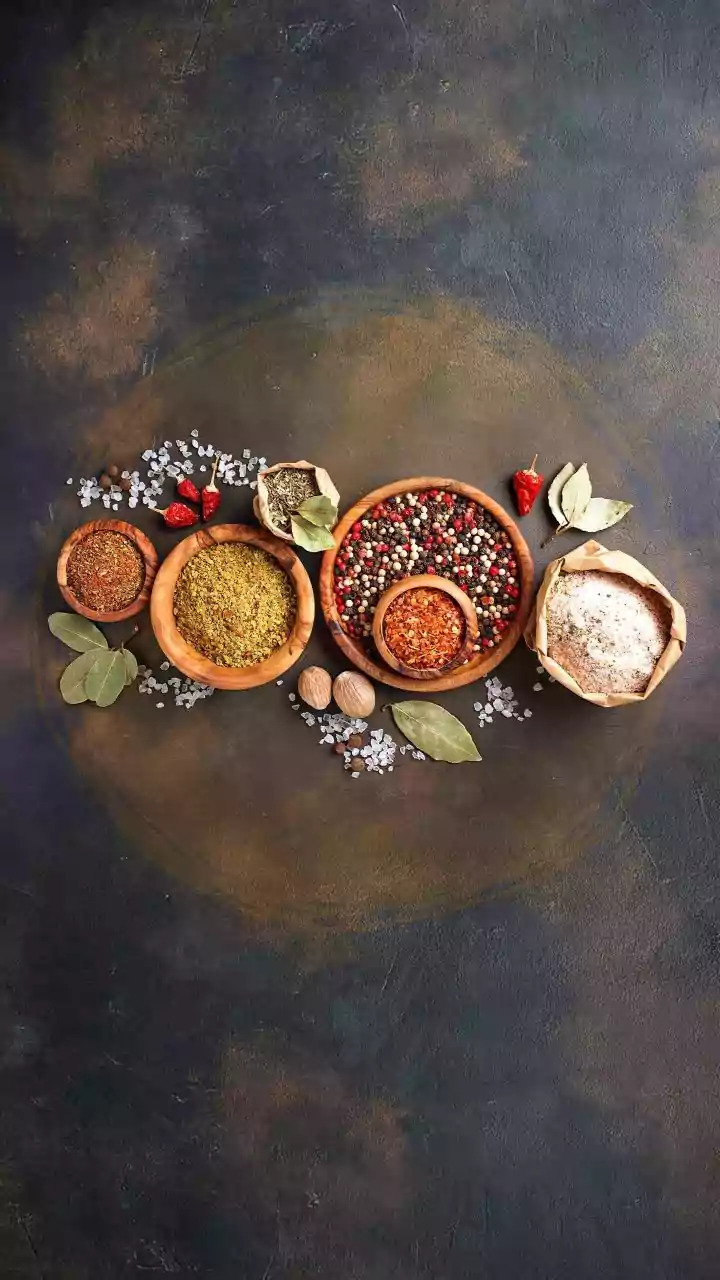
The principles of Mediterranean eating align beautifully with traditional Indian food culture, making it easy to adapt. Many Indian meals are already centered around vegetables and legumes. You can lean into this by making sabzis and dals the star of your meals. While extra virgin olive oil is great for drizzling, Indian cooking can continue to use locally available, healthy oils like mustard or groundnut oil. Instead of refined flour, focus on whole grains like whole wheat for rotis, or incorporate millets and brown rice. Nuts and seeds are already common in Indian cuisine and can be enjoyed as snacks. Lean proteins like fish and poultry fit in easily, and for vegetarians, dals, chickpeas, and moderate portions of paneer provide excellent options. Flavour your food with the rich variety of Indian spices and herbs to reduce the need for excess salt.
More Than Just What You Eat
A key aspect of the traditional Mediterranean lifestyle that often gets overlooked is how people eat. Meals are frequently a social event, shared with family and friends. This practice of eating together fosters connection and encourages more mindful, leisurely eating, rather than rushing through a meal alone or while distracted. This social connection and the enjoyment of food are considered integral parts of the overall health benefits. Furthermore, the lifestyle traditionally includes regular physical activity, not necessarily in a gym, but through daily activities like walking. Embracing these cultural habits—slowing down, savouring your food, and staying active—is just as important as the ingredients themselves.