


Mount Merapi, Indonesia (2010)
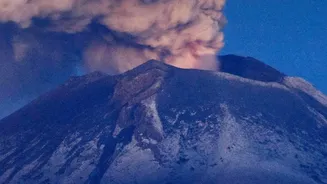
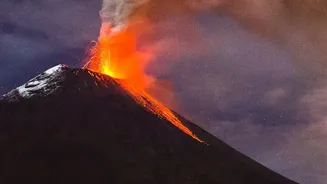
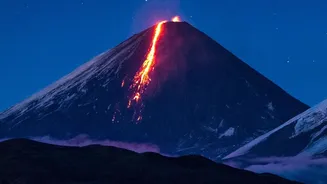
The series of eruptions at Mount Merapi, one of Indonesia's most active volcanoes, began in late October 2010 and proved to be the deadliest of the century so far. The largest eruption in over 100 years claimed the lives of more than 350 people and forced
the evacuation of nearly 350,000 residents from the densely populated slopes. The primary cause of death was not slow-moving lava, but pyroclastic flows—scorching, fast-moving clouds of ash, gas, and volcanic rock that incinerated everything in their path. These flows travelled at terrifying speeds down the mountainside, overwhelming villages. Despite the high death toll, Indonesian authorities were credited with preventing an even greater catastrophe. Their monitoring and timely evacuation orders saved tens of thousands of lives, showcasing the critical importance of early warning systems in the face of such an unpredictable natural force.
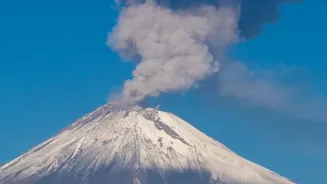
Volcán de Fuego, Guatemala (2018)
On June 3, 2018, Guatemala's 'Volcano of Fire' unleashed a catastrophic eruption with very little warning. It produced devastating pyroclastic flows that moved at high speeds down deep ravines, or barrancas, on its flanks. When one of these ravines overflowed, the superheated material buried the village of San Miguel Los Lotes, leaving residents with no time to escape. Officially, nearly 200 people were killed, but hundreds more were listed as missing, and local organizations believe the actual death toll may be significantly higher. The tragedy at Fuego was a stark reminder of the extreme vulnerability of communities living in close proximity to active volcanoes. The eruption's speed and intensity highlighted the challenges of evacuating people even from known hazard zones, especially when an eruption escalates so suddenly.
Mount Nyiragongo, DR Congo (2002)
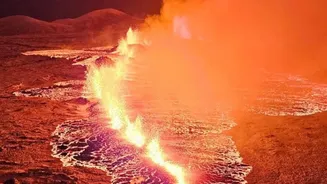
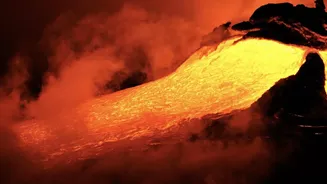
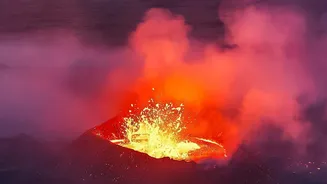
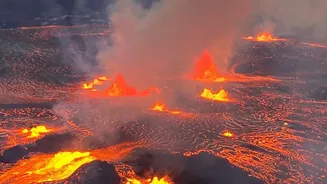
The 2002 eruption of Mount Nyiragongo was a disaster defined by a rare and terrifying phenomenon: extremely fast-moving lava. When fractures opened on the volcano's southern flank, the vast lava lake at its summit drained in a matter of hours. Rivers of molten rock, with a fluidity similar to water, raced towards the city of Goma at up to 60 kilometres per hour. The eruption killed around 245 people, not just from contact with lava but also from asphyxiation as the flows released deadly carbon dioxide gas. The lava destroyed 13% of Goma, covering the northern part of the city's international airport and leaving an estimated 120,000 people homeless. The event showed that even effusive, non-explosive eruptions can be incredibly deadly when the right geological conditions combine with a nearby urban population.
Mount Semeru, Indonesia (2021)
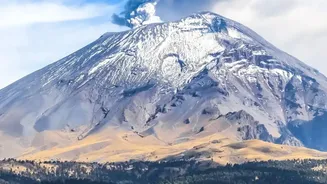
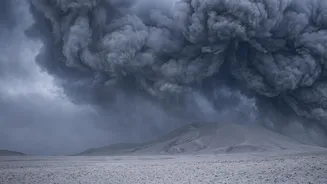
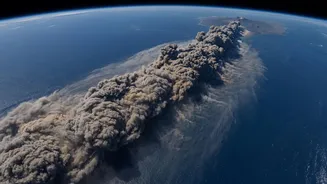
On December 4, 2021, the tallest volcano on the island of Java erupted violently after heavy rains were believed to have destabilized the lava dome at its summit. This collapse triggered a massive pyroclastic flow that descended into the valleys below, burying several villages in ash and mud. The eruption sent a plume of ash kilometres into the air, turning day into night for surrounding communities. Ultimately, the event caused at least 69 deaths, with many more injured and several reported missing in the aftermath. Thousands of homes and public buildings were damaged or destroyed, forcing a large-scale evacuation. The Semeru eruption was another tragic example of how quickly a situation can turn deadly, particularly when weather events like heavy rain interact with an already active volcano.