





A Sweet Taste of Success in Orbit
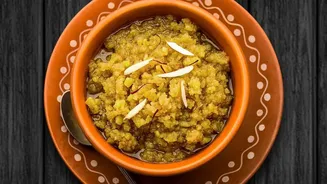
The milestone may sound modest, but its implications are significant. For the first time, three food items developed in India for its astronauts have been officially qualified for spaceflight. The successful trio consists of Moong Dal Halwa, Gajar ka
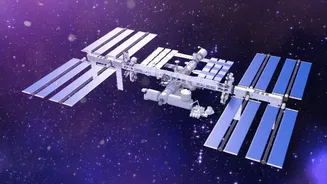
Halwa, and Aamras (mango nectar). These items were part of the payload accompanying Indian astronaut Shubhanshu Shukla on his 2025 mission to the International Space Station (ISS). Their successful flight and consumption in orbit marked a critical validation of the development process undertaken by the Defence Food Research Laboratory (DFRL). While an extensive menu of Indian favourites was prepared for testing, these three were the first to pass the rigorous, time-consuming certification gauntlet, proving that Indian cuisine can be adapted for the final frontier.
The Science of a Zero-Gravity Meal
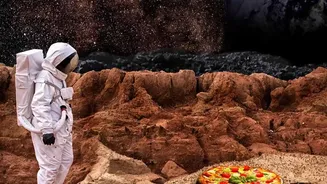
You can’t just pack a tiffin for space. Eating in a zero-gravity environment is a major scientific challenge. The primary concern is fragmentation. Crumbs don’t fall to the floor; they float, posing a serious risk to sensitive equipment and astronaut safety if inhaled. This is why bread is typically absent from space menus. Furthermore, food must have a shelf life of over a year without refrigeration, be free from microbial contaminants, and retain its nutritional value. The Mysuru-based DFRL has been tasked with solving this puzzle. Their scientists formulate ready-to-eat meals that are often dehydrated or thermally stabilised. These meals are packed in specially designed pouches that allow for rehydration and consumption with minimal mess. They must also be lightweight and compact to save precious cargo space.
DFRL's Ambitious Gaganyaan Menu
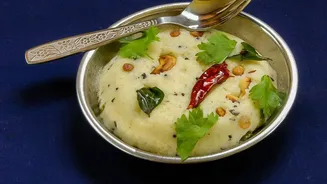
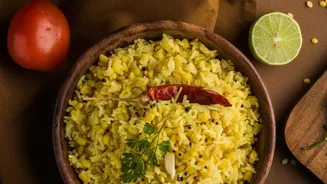
The three qualified dishes are just the beginning. DFRL is working on a diverse menu of nearly 60 items to ensure India’s Gaganyaan crew feels at home while in orbit. The potential menu reads like a who's who of Indian comfort food, including options like idli, vegetable pulao, chicken biryani, sambar chawal, and egg rolls. A team of dozens of scientists with expertise in food technology and microbiology are refining these dishes. The food is engineered to be less spicy and oily than typical preparations to suit the altered sense of taste astronauts experience in space and to be easily digestible. This extensive menu development is a testament to the detailed planning required for a human spaceflight mission, where every single gram and every calorie is meticulously planned.
More Than Just Fuel: A Taste of Home
For astronauts isolated hundreds of kilometres from Earth, food is a powerful psychological comfort. The familiar taste of home can be a major morale booster during a stressful and demanding mission. This was highlighted by astronaut Shubhanshu Shukla, who recalled craving salty and spicy food after less than two weeks in orbit. Providing the Gaganyaan crew with familiar flavours like dal and halwa is not an indulgence; it's a strategic part of mission planning aimed at maintaining the crew's psychological well-being. By ensuring the menu includes beloved Indian dishes, ISRO and DFRL are acknowledging that the human element is just as important as the mechanical one. Sharing these familiar foods with international crewmates also serves as a form of cultural diplomacy in the collaborative environment of space.
Paving the Way for a Historic Launch
While the qualification of three food items may seem like a small step, it represents a crucial piece of the Gaganyaan puzzle falling into place. It demonstrates tangible progress in one of the many complex support systems required to keep astronauts safe and healthy. This success in culinary engineering is part of a wider effort by multiple DRDO labs developing everything from crew health monitoring systems to emergency parachutes. Each successfully tested component, whether a parachute or a pouch of halwa, builds confidence and moves the entire program closer to its ultimate goal. This milestone proves that India is not just building a spacecraft, but is thoughtfully creating a habitable environment for its astronauts, ensuring that when they do launch, they carry a comforting and nourishing piece of home with them.