

A Relic of a Unified Past
Before 1947, Attari was just another station on the busy Amritsar-Lahore route, a part of the vast, unified railway network established during the British era. The Scinde, Punjab & Delhi Railway completed the line in the 1860s, turning the region into
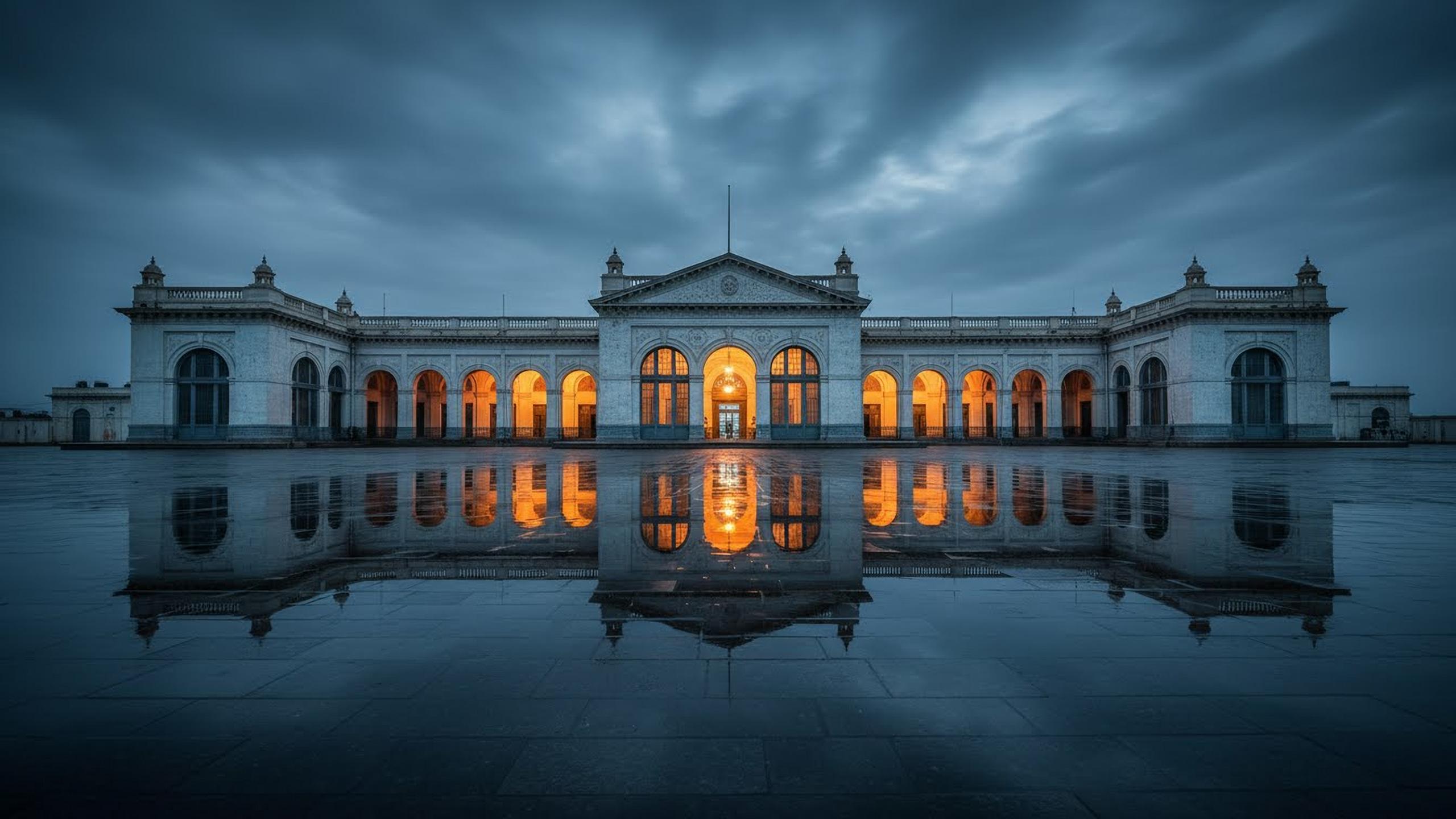
a crucial corridor for transport and trade. The station itself, a classic example of British Indian railway architecture with its blend of Victorian functionality and Oriental arches, was a bustling stop, not a heavily guarded frontier. It represented an era when Lahore was just a short, unremarkable train ride away from Amritsar, a concept that seems distant today.
The Rupture of Partition
The partition of India in 1947 irrevocably altered Attari's identity. Overnight, it transformed from a domestic junction into a critical international border station. It became a silent, frontline witness to one of the largest and most harrowing migrations in human history. The tracks that once carried regular commuters became conduits for millions of refugees, hope, and immense sorrow. The station saw the arrival of what came to be known as 'ghost trains'—trains filled with the victims of the sectarian violence that engulfed the region, a chilling testament to the human cost of the division. From that moment, Attari was no longer just a station; it was a scar, a memory, and the final gateway on Indian soil.
The Samjhauta Express: A Fragile Bridge
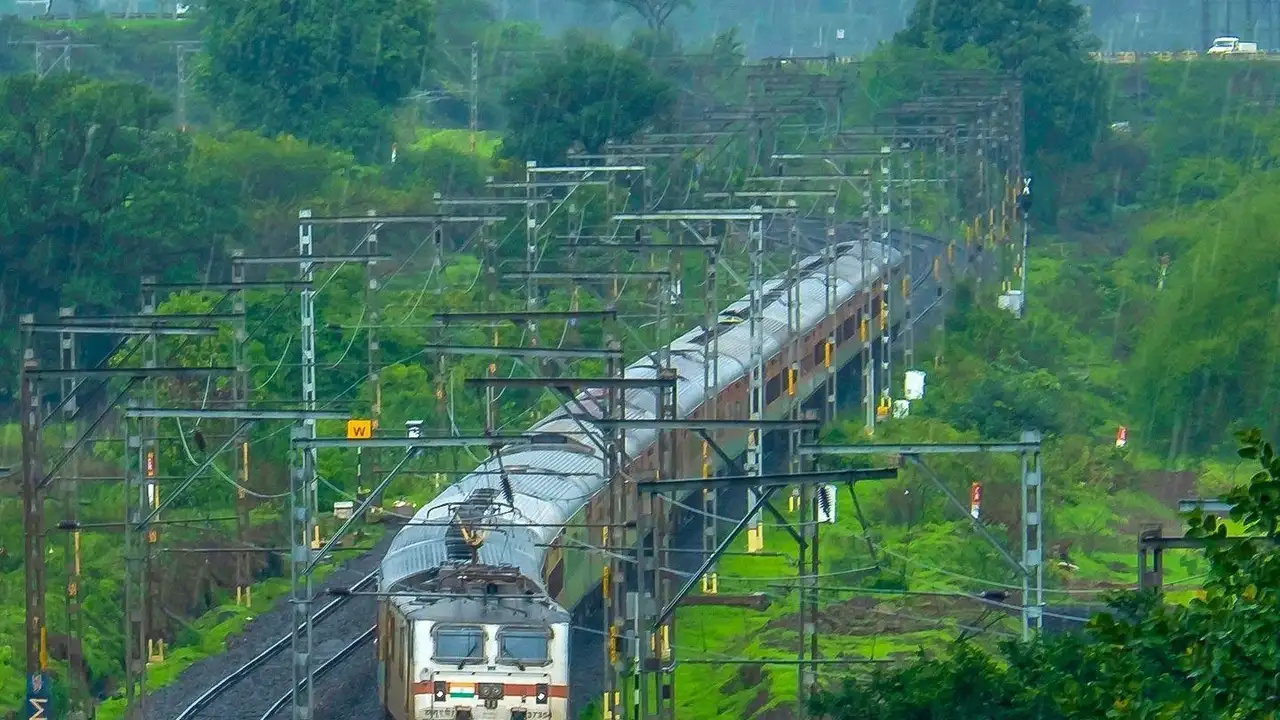
In the decades following Partition, the railway link remained largely severed. It was only after the Shimla Agreement of 1972 that a new chapter began. On July 22, 1976, the Samjhauta Express, or 'Agreement Express', started its service, connecting Amritsar and Lahore. Attari became the crucial point for immigration and customs. For over four decades, this train served as the most significant and often the only, rail link between the two nations, a tangible symbol of peace and a lifeline for divided families. Despite its symbolic importance, the service was fraught with interruptions, often suspended due to political tensions, such as after the 2001 Parliament attack and during the 2019 escalation of hostilities. The train was also the target of a tragic terrorist bombing in 2007, which killed 68 people, mostly Pakistani civilians.
A Station in Waiting
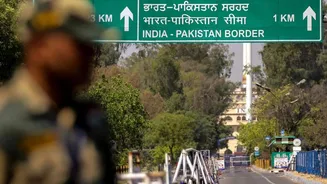
Since August 2019, passenger services on the Samjhauta Express have been suspended, and Attari station has fallen silent. The bustling platforms, which once saw emotional reunions and tearful goodbyes, are now largely deserted, occasionally housing a freight train. An Indian Railways rake remains parked at the Wagah station on the Pakistani side, a physical reminder of the suspended connection. Today, Attari is a high-security zone; unlike any other station in India, you need a valid passport and a Pakistani visa just to enter the platform. It stands as a powerful symbol in limbo—a monument to the potential for connection, but also a stark indicator of the current geopolitical distance between the two neighbours.