





The Classic Tiger Quest
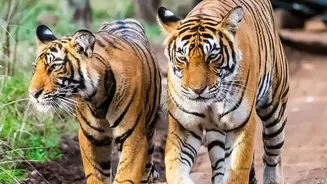
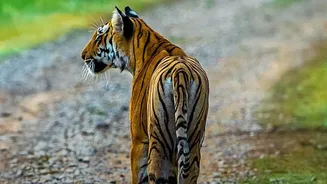
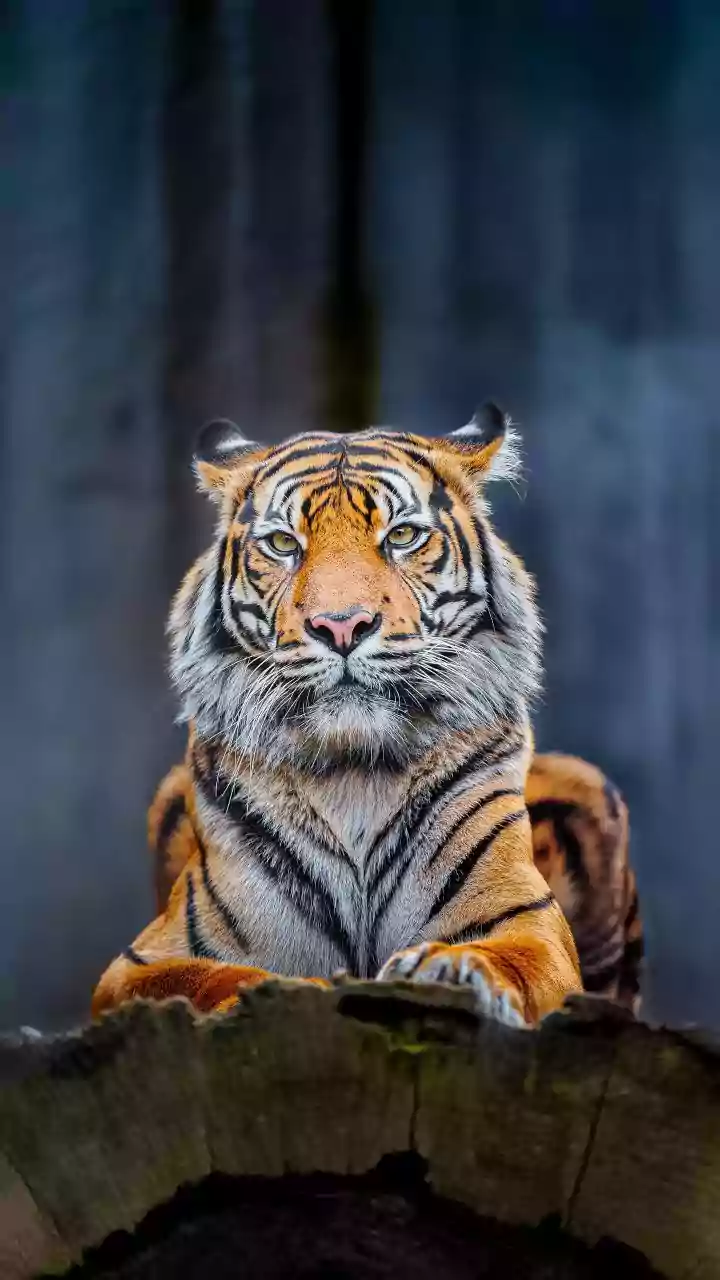
The Bengal tiger is the undisputed star of India’s wildlife tourism, and for good reason. Thanks to decades of conservation efforts under initiatives like Project Tiger, which started in 1973, India is now home to a significant portion of the world's
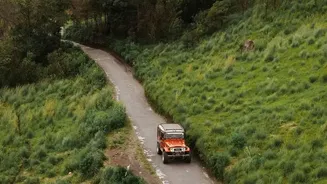
wild tiger population. This has made tiger-centric safaris a thrilling and accessible adventure. Parks in Central India, such as Bandhavgarh and Kanha in Madhya Pradesh, are renowned for their high tiger densities and offer classic jeep safari experiences through dense sal and bamboo forests. Similarly, Ranthambore in Rajasthan provides a dramatic backdrop with its ancient fort and rugged terrain. These safaris are more than just a chase; they are about understanding the entire ecosystem that supports this apex predator, from its prey like spotted deer to the health of the forest itself.
The Elusive Leopard Trail
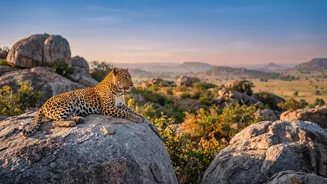
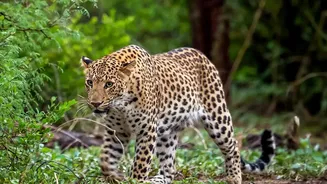
While tigers often claim prime territories, the incredibly adaptable leopard thrives across India, even in areas where tigers are present. But for a safari experience where the leopard is the main attraction, Jawai in Rajasthan offers something truly unique. Here, in a dramatic landscape of granite hills and scrubland, leopards have learned to coexist with local communities. Safaris in Jawai are focused on tracking these elusive cats as they navigate the rocky outcrops, offering a very different feel from a forest safari. Unlike in dense jungles where sightings can be fleeting, the open terrain of Jawai can provide clearer and more frequent opportunities to observe these graceful predators in their natural, cave-dwelling habitat.
Walking With Gentle Giants
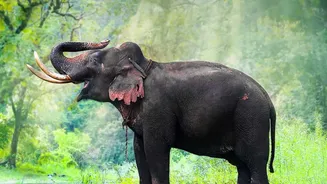
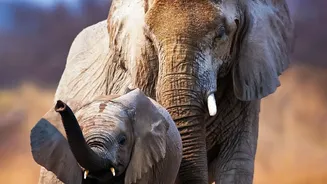
An elephant-focused safari offers a completely different pace and perspective. India, home to the world's largest population of Asian elephants, provides many opportunities to see these intelligent creatures in the wild. In the south, Periyar Wildlife Sanctuary in Kerala is famous for its boat safaris on Periyar Lake. Here, you can watch herds of elephants come to the water's edge to drink and play, a serene and unforgettable sight. In the north, parks like Rajaji and Corbett in Uttarakhand form a critical elephant corridor against the backdrop of the Himalayan foothills. These landscapes, with their riverine forests and grasslands, allow you to witness the social dynamics of elephant herds and appreciate their crucial role in shaping the environment.
Beyond the Big Three
India's safari diversity extends far beyond tigers, leopards, and elephants. In the northeastern state of Assam, Kaziranga National Park is a UNESCO World Heritage Site famous for being the primary stronghold of the one-horned rhinoceros. A safari through its vast grasslands and wetlands offers a glimpse into a prehistoric world, with rhinos often seen grazing alongside elephants and wild water buffalo. Further west, in Gujarat, Gir National Park is the only place in the world where you can see Asiatic lions in their natural habitat. The success story of their conservation from the brink of extinction is remarkable, and seeing a pride in the dry deciduous forest is a unique privilege that no other country can offer.
From Snow Peaks to Waterways
The sheer range of India's geography creates even more specialized safari experiences. In the high-altitude deserts of Ladakh, Hemis National Park is the domain of the elusive snow leopard, a once-in-a-lifetime sighting for dedicated wildlife trackers. In the wetlands of Bihar, the Vikramshila Gangetic Dolphin Sanctuary protects India's national aquatic animal, with boat safaris offering a chance to see these rare, blind dolphins. Meanwhile, bird-watching safaris in places like Keoladeo National Park in Rajasthan attract avian enthusiasts from around the globe. This incredible variety proves that an Indian safari can be tailored to almost any interest, from iconic big cats to rare and specialised fauna.