






The Goal: A Sattvic State of Body and Mind
At the heart of the Sawan diet is the principle of consuming ‘sattvic’ foods. In Ayurvedic tradition, sattvic foods are those that are pure, fresh, and light, believed to promote calmness, mental clarity, and spiritual focus. This approach contrasts with
‘rajasic’ (stimulating) and ‘tamasic’ (dulling) foods. The diet is not just about restriction but about aligning the body with the spiritual goals of the month. Furthermore, Sawan coincides with the monsoon season, a time when Ayurveda suggests our digestive fire, or 'agni', is naturally weaker. The diet, therefore, also serves as a practical, seasonal adjustment to protect health.
Why Non-Vegetarian Food Is Avoided
The exclusion of all meat, fish, and eggs is one of the most widely observed Sawan rules. The primary reason is spiritual; abstaining from harming other life forms is considered an act of devotion and purification. However, there is a strong practical element as well. The high humidity of the monsoon season makes non-vegetarian food spoil much faster, increasing the risk of bacterial growth and foodborne illnesses like salmonella. As digestion is thought to be slower during this time, these heavy foods can also overburden the system.
The Case Against Onion and Garlic
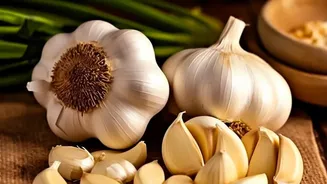
Onion and garlic, staples of Indian cuisine, are notably absent from Sawan meals. Unlike other exclusions, this isn't about hygiene. In Ayurveda, onion and garlic are classified as rajasic and tamasic. They are believed to generate heat in the body and stimulate passions and restlessness, which can interfere with the calm, meditative state that devotees seek during this holy month. By avoiding them, practitioners aim to maintain a purer state of mind conducive to prayer and self-control.
Skipping Leafy Greens and Certain Vegetables
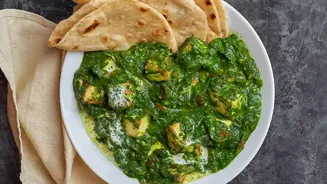
It might seem counterintuitive to avoid healthy green vegetables, but there’s sound logic behind this tradition. The monsoon is a prime breeding season for insects and worms. Leafy greens like spinach, with their many folds, can easily trap moisture, mud, and tiny pests that are difficult to wash away completely, raising the risk of stomach infections. Brinjal (eggplant) is another vegetable commonly avoided, often cited in scriptures as being impure for religious offerings. Raw salads are also generally set aside due to similar contamination risks.
Grains, Lentils, and Salt
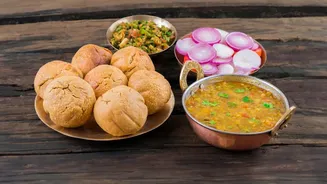
The strictness of a Sawan diet often varies by family and community. Many devotees avoid common grains like wheat and rice, as well as most lentils and pulses. Instead, they turn to alternatives like kuttu (buckwheat flour), singhara (water chestnut flour), and samak rice (barnyard millet). These are considered lighter and easier to digest. Regular table salt is also swapped for sendha namak (rock salt), which is considered a purer, unprocessed alternative suitable for fasting.
What You Can Enjoy
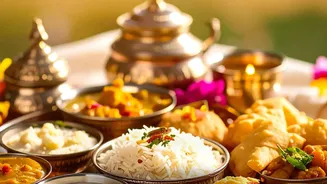
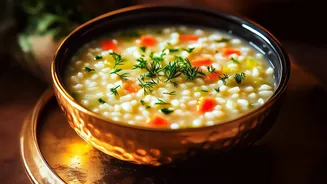
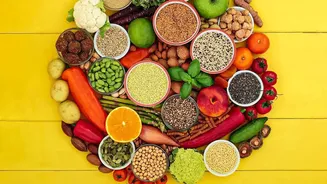
The Sawan diet is far from restrictive. It embraces a wide array of delicious and nutritious foods. All seasonal fruits are encouraged, providing natural energy and hydration. Dairy products like milk, paneer, and some yogurts are central to the diet, offering protein and calcium. Sabudana (tapioca pearls) is a fasting superstar, used to make khichdi, kheer, and vadas. Potatoes, sweet potatoes, and bottle gourd are common vegetables, while nuts and makhana (fox nuts) serve as healthy snacks.