





The Two Faces of Cinnamon
The vast majority of cinnamon sold in supermarkets, especially in North America, is not what spice experts consider "true cinnamon." Most of what we buy is a variety called cassia. There are several types of cassia cinnamon, primarily grown in China,
Indonesia, and Vietnam. It's bold, spicy, and inexpensive, making it the dominant choice globally. The other, more refined variety is Ceylon cinnamon, also known as "true cinnamon." Native to Sri Lanka (formerly Ceylon), it is more expensive and prized for its delicate, nuanced flavour. While both come from the inner bark of related trees, their appearance, taste, and even chemical composition are distinctly different. And the easiest way to spot the difference starts with the shape of the stick.
Reading the Quill: The Ceylon Signature
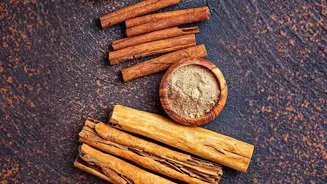
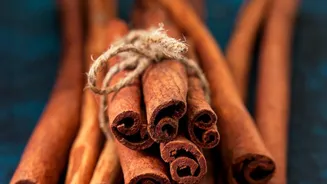
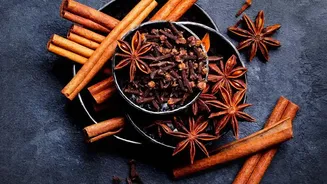
A Ceylon cinnamon quill looks like a tightly rolled cigar. It is composed of multiple, paper-thin layers of bark that have been painstakingly harvested and rolled together by hand. These sticks are light tan or golden-brown in colour. Due to their layered, delicate structure, Ceylon quills are quite fragile and brittle; you can often crumble them easily between your fingers. When you look at a cross-section, you'll see a clear spiral of these fine layers, much like a miniature Swiss roll. This multi-layered construction is the most reliable visual clue that you are holding true cinnamon.
The Cassia Impostor: A Harder Truth
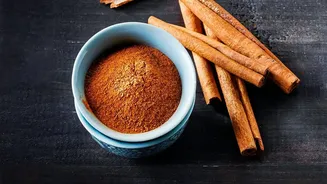
Cassia cinnamon sticks present a very different picture. Instead of many thin layers, a cassia quill is typically a single, thick piece of bark that has curled inward as it dried, often from both sides, forming a hollow tube that resembles a scroll. These sticks are much harder and woodier than their Ceylon counterparts. You would have a tough time snapping a cassia stick by hand, and grinding it often requires a powerful electric grinder. The colour is also a giveaway; cassia is typically a darker, reddish-brown. If the cinnamon stick in your pantry is thick, hollow, and tough, it is almost certainly cassia.
Beyond Shape: A World of Flavour
The differences in shape correspond to major differences in taste and aroma. Cassia delivers a powerful, fiery punch. Its flavour is intense, spicy, and what most people associate with the classic "cinnamon" taste, making it suitable for robust recipes like cinnamon rolls. Ceylon, on the other hand, is much more subtle. Its flavour is delicate and sweet, with complex floral and citrus notes. This makes it ideal for dishes where you want to add a nuanced warmth without overpowering other ingredients, such as in custards, teas, or sprinkled over fruit. Using cassia where Ceylon is called for can easily dominate a dish, while using Ceylon in place of cassia might feel underwhelming to some.
A Note on Coumarin
There is also a health consideration that separates the two varieties: a natural compound called coumarin. Coumarin is present in high concentrations in cassia cinnamon but exists in only negligible amounts in Ceylon. For the average person who only sprinkles a little cinnamon on their oatmeal now and then, this isn't a major concern. However, for those who consume large amounts of cinnamon regularly, such as for its potential health benefits, the high coumarin content in cassia can pose a risk of liver stress or damage over time. European health authorities have set a tolerable daily intake for coumarin, which can easily be exceeded with just a teaspoon or two of cassia powder. For this reason, anyone taking cinnamon daily for health purposes is advised to choose the low-coumarin Ceylon variety.