





Why Fresh Sauce Is Different
Unlike store-bought sauces that contain preservatives and undergo industrial pasteurization, homemade sauce has a much shorter shelf life. Without these additions, your fresh sauce is more vulnerable to spoilage from bacteria, molds, and yeasts that thrive
in moist, nutrient-rich environments. Tomatoes are naturally acidic, which helps inhibit some bacterial growth, but this protection is limited. Proper handling from the moment it comes off the stove is your best defense against premature spoilage, ensuring your hard work doesn't go to waste. For short-term storage, this means clean containers and a cold refrigerator are non-negotiable.
The First Step: Jar Sterilization
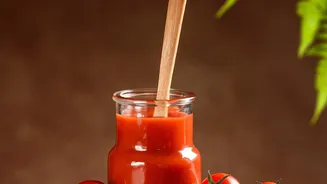
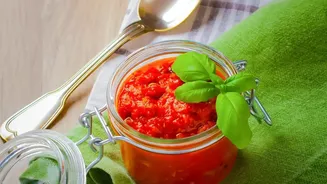
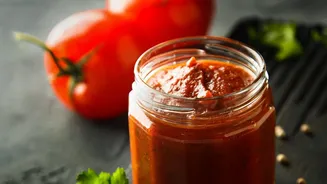
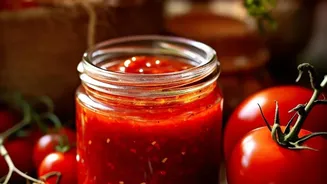
Starting with a perfectly clean container is a fundamental step in food preservation. Simply washing jars with soap and water isn't enough to eliminate all the microscopic organisms that can ruin your sauce. Sterilization is necessary to create a sterile environment for your food. There are several easy methods to do this. The most common is the boiling water method: place clean jars on a rack in a large pot, fill it with water to cover them, and boil for at least 10 minutes. Lids should be added in the last few minutes to avoid damaging their seals. Alternatively, you can wash the jars and place them in an oven preheated to around 110°C for 15-20 minutes. Always handle the hot, sterilized jars carefully, preferably just before you're ready to fill them.
The Danger Zone: Cooling Your Sauce Quickly
One of the most common mistakes in food storage is letting hot food sit out on the counter to cool for too long. Bacteria multiply fastest in the "danger zone," a temperature range between 40°F and 140°F (about 5°C to 60°C). A large pot of hot sauce can sit in this zone for hours, providing an ideal breeding ground for spoilage microbes. To cool your sauce safely and quickly, you must get it below this temperature range within two hours. The best practice is to divide the sauce into smaller, shallow containers to increase the surface area and allow heat to escape faster. For even quicker cooling, you can place the pot or containers in an ice bath in your sink, stirring occasionally to distribute the cold. Never place a large, hot pot directly into the refrigerator, as it can raise the internal temperature of the fridge and put other foods at risk.
Refrigerator Rules for Fresh Sauce
Once your sauce has cooled, it's ready for the fridge. Store it in airtight containers to protect it from absorbing other odors and from airborne contaminants. Make sure to label the container with the date. So, how long does it last? Most food safety experts agree that homemade tomato sauce will stay fresh and safe to eat for about 3 to 5 days in the refrigerator. Some sources say it might last up to a week, but it's always better to err on the side of caution. If your sauce contains meat or cream, its shelf life might be slightly shorter. For longer-term storage, freezing is an excellent option. Properly frozen sauce can maintain its quality for up to six months.
How to Spot Spoilage
Before using your refrigerated sauce, always give it a quick inspection. The most obvious sign of spoilage is mold, which can appear as fuzzy white, black, or green spots on the surface. If you see any mold, discard the entire batch; scraping it off is not enough, as unseen spores can permeate the rest of the sauce. Other warning signs include a sour or yeasty off-smell, a strange metallic taste, or a bubbling or fizzy appearance, which indicates fermentation. The sauce's texture might also change, becoming watery or slimy. When in doubt, it's always safest to throw it out.