




Prague: The Architectural Heart of Europe
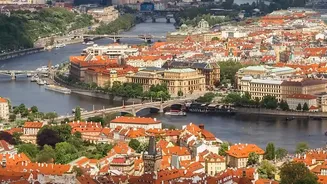
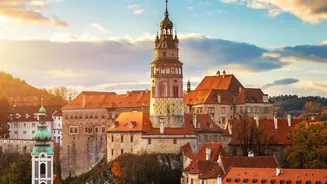
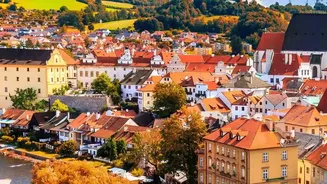
Prague’s Historic Centre, a UNESCO site since 1992, is a living textbook of urban evolution. Spanning the Old Town, Lesser Town, and New Town, it showcases more than a thousand years of architectural genius, miraculously preserved from major demolition.
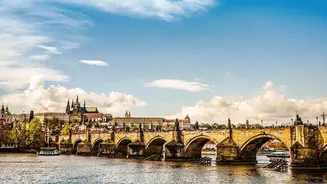
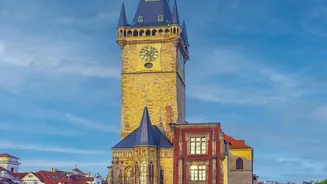
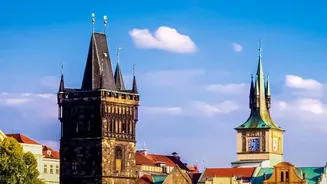
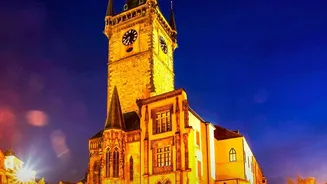
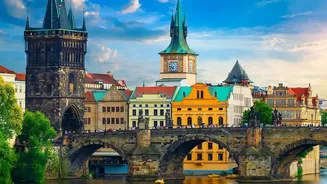
The city’s inscription is a testament to its profound influence on Central European culture and architecture since the Middle Ages. Visitors can wander through a landscape defined by Gothic, High Baroque, and Modernist styles. The city's heart is the Old Town Square, dominated by the Old Town Hall and its intricate Astronomical Clock, which puts on a show for crowds every hour. A short walk leads to the iconic Charles Bridge, a 14th-century stone marvel connecting the Old Town to Prague Castle. This sprawling castle complex, the largest in the world, includes the magnificent St. Vitus Cathedral, a masterpiece of Gothic architecture that took nearly 600 years to complete. The city's continuous development across centuries is visible everywhere, from the ancient foundations to the soaring spires that give Prague its nickname, the "City of a Hundred Spires".
Bialowieza Forest: Europe's Last Primeval Wilderness
Straddling the border of Poland and Belarus, the Białowieża Forest is one of the last and largest remaining parts of the immense primeval forest that once covered the European Plain. A transboundary UNESCO World Heritage site, it protects a vast, relatively undisturbed ecosystem of old-growth woodland. This forest is a sanctuary for biodiversity, with its mix of deciduous and coniferous trees, extensive dead wood, and rich variety of fungi. But its most famous resident is the European bison, the continent's heaviest land animal. Driven to extinction in the wild in the early 20th century, the bison was successfully reintroduced here from captive stock and now roams freely in a population of hundreds. Visitors can explore the forest through designated hiking and cycling trails, though spotting the elusive bison often requires patience and a bit of luck, with the best chances at dawn or dusk in surrounding meadows. For a guaranteed sighting, the Bison Show Reserve on the Polish side offers a closer look at these majestic creatures, along with other local wildlife. Białowieża is not just a forest; it is a precious glimpse into Europe’s prehistoric natural landscape.
Nessebar: Bulgaria's Ancient Pearl of the Black Sea
Situated on a rocky peninsula connected to the Bulgarian mainland by a narrow isthmus, the Ancient City of Nessebar is a city-museum with over 3,000 years of history. Inscribed by UNESCO in 1983, the site bears the marks of numerous civilizations. Originally a Thracian settlement known as Mesembria, it later became a flourishing Greek colony and an important trading post on the Black Sea. Today, visitors can see remains from its Hellenistic period, including the acropolis, a temple of Apollo, and remnants of the ancient fortification wall. The city’s true architectural treasure is its remarkable collection of medieval churches, built during the Byzantine and Bulgarian empires. Legend claims the small city once had over 40 churches; while not all survive, structures like the 5th-century St. Sofia Church and the 11th-century Church of St. Stephen showcase stunning medieval religious architecture. Cobbled streets wind past traditional 19th-century wooden houses from the Bulgarian Renaissance, creating a harmonious blend of styles. This layering of history makes Nessebar a unique open-air museum, where ancient ruins stand alongside charming homes on the coast of the Black Sea.