




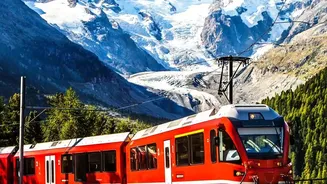
The Charm of Heritage 'Toy Trains'
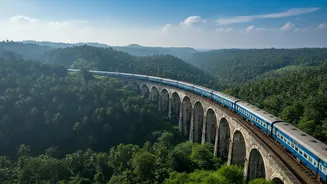
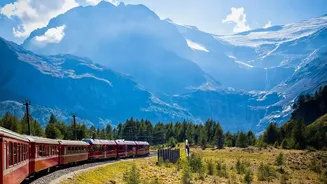
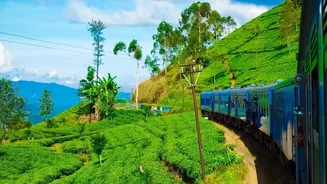
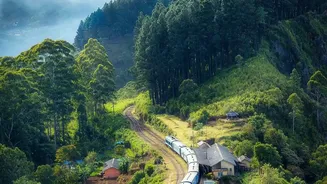
India's mountainous terrain presented a formidable challenge to British engineers, who responded with bold and ingenious solutions that stand the test of time. Three of these narrow-gauge railways are now collectively designated as a UNESCO World Heritage
Site, cherished for their vintage appeal and breathtaking routes. Affectionately called 'toy trains', these services are a journey back in time, chugging through some of the country's most stunning landscapes.
Darjeeling Himalayan Railway
Operational since 1881, the Darjeeling Himalayan Railway is an outstanding example of engineering in a challenging terrain. This narrow-gauge line, running between New Jalpaiguri and Darjeeling, navigates sharp curves and steep gradients with incredible engineering feats like the famous Batasia Loop, which offers a panoramic view of Darjeeling town with Mount Kanchenjunga in the background. The 88-kilometre journey takes you through bustling market towns, dense forests, and verdant tea gardens, making it a truly unforgettable experience.
Kalka-Shimla Railway
Built to connect the summer capital of British India, the Kalka-Shimla Railway is a masterclass in railway construction through rugged mountains. Over its 96-kilometre journey, the train passes through an astonishing 102 tunnels and crosses over 800 bridges, offering dramatic views of pine-covered hills and deep valleys. The slow pace of the vintage carriages allows passengers to fully immerse themselves in the Himalayan scenery, making it one of India's most popular hill railway journeys.
Nilgiri Mountain Railway
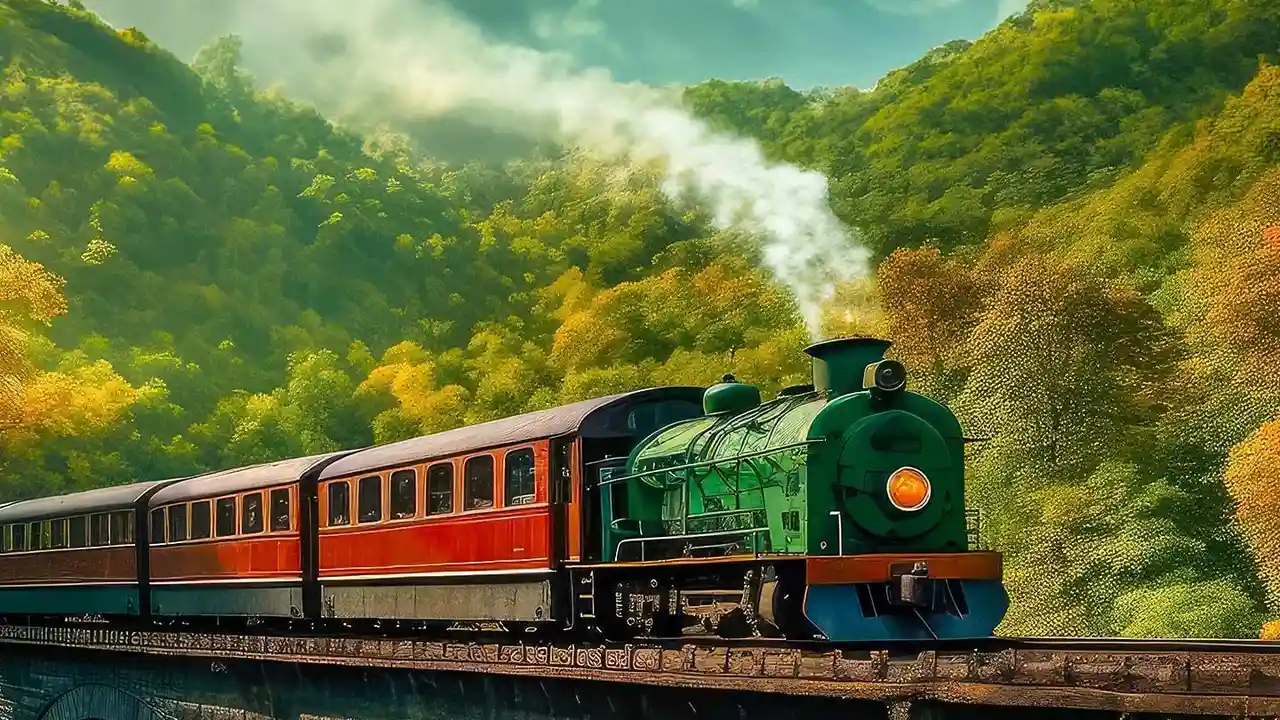
Unique in India, the Nilgiri Mountain Railway is the only one that uses a rack and pinion system to climb the steep gradients of the Blue Mountains. This engineering solution was necessary for the line to ascend from Mettupalayam to the popular hill station of Ooty (Udagamandalam) in Tamil Nadu. The journey is a scenic delight, passing through rocky terrain, lush forests, and numerous bridges, with parts of the route still powered by classic steam locomotives.
Marvels of Modern Engineering
While preserving its heritage, Indian Railways is also pushing the boundaries of modern engineering. New projects are connecting previously inaccessible regions and setting global benchmarks for construction in difficult environments. These new lines are not just about transport; they are symbols of national ambition and technological prowess.
Chenab Rail Bridge: A Bridge in the Clouds
The Chenab Rail Bridge in Jammu and Kashmir is the world's highest railway bridge, soaring 359 metres above the riverbed—taller than the Eiffel Tower. This steel and concrete arch bridge is a critical part of the Udhampur-Srinagar-Baramulla Rail Link project, designed to connect the Kashmir Valley with the rest of India's rail network. Built to withstand high wind speeds and seismic activity, it is a monumental achievement in one of the world's most challenging terrains.
Konkan Railway: A Coastal Masterpiece
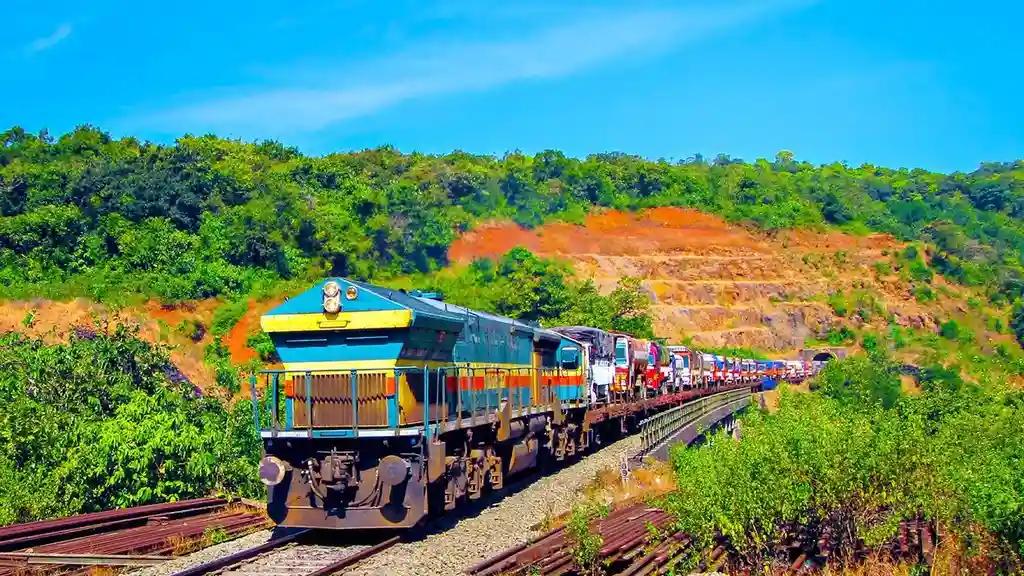
Connecting Mumbai with Mangaluru, the 741-kilometre Konkan Railway is celebrated as an engineering marvel running along India's western coastline. Constructed in just eight years, it features over 2,000 bridges and 91 tunnels, cutting through the formidable Sahyadri mountains. The route offers stunning views of the Arabian Sea, verdant hills, and vibrant villages, and is particularly magical during the monsoon when waterfalls cascade down the hillsides.
Pamban Bridge: India's First Vertical Lift Sea Bridge
Connecting Rameswaram Island to mainland India, the new Pamban Bridge is another feat of modern engineering, replacing the iconic century-old structure. It is India's first vertical lift sea bridge, with a central span that can be raised to allow ships to pass underneath. Designed for higher speeds and durability against the harsh marine environment, this bridge is a vital upgrade for the region's connectivity.