

Two Trailblazing Missions
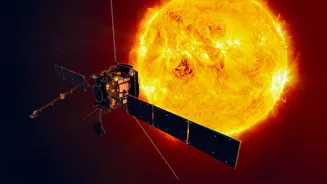
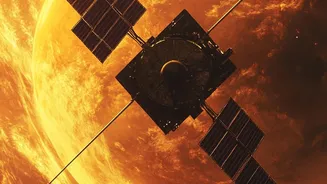
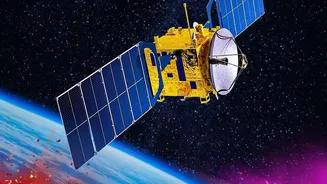
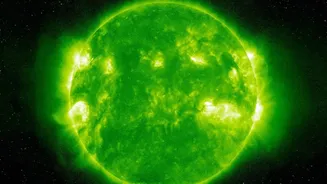
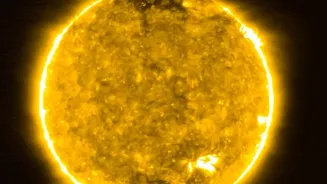
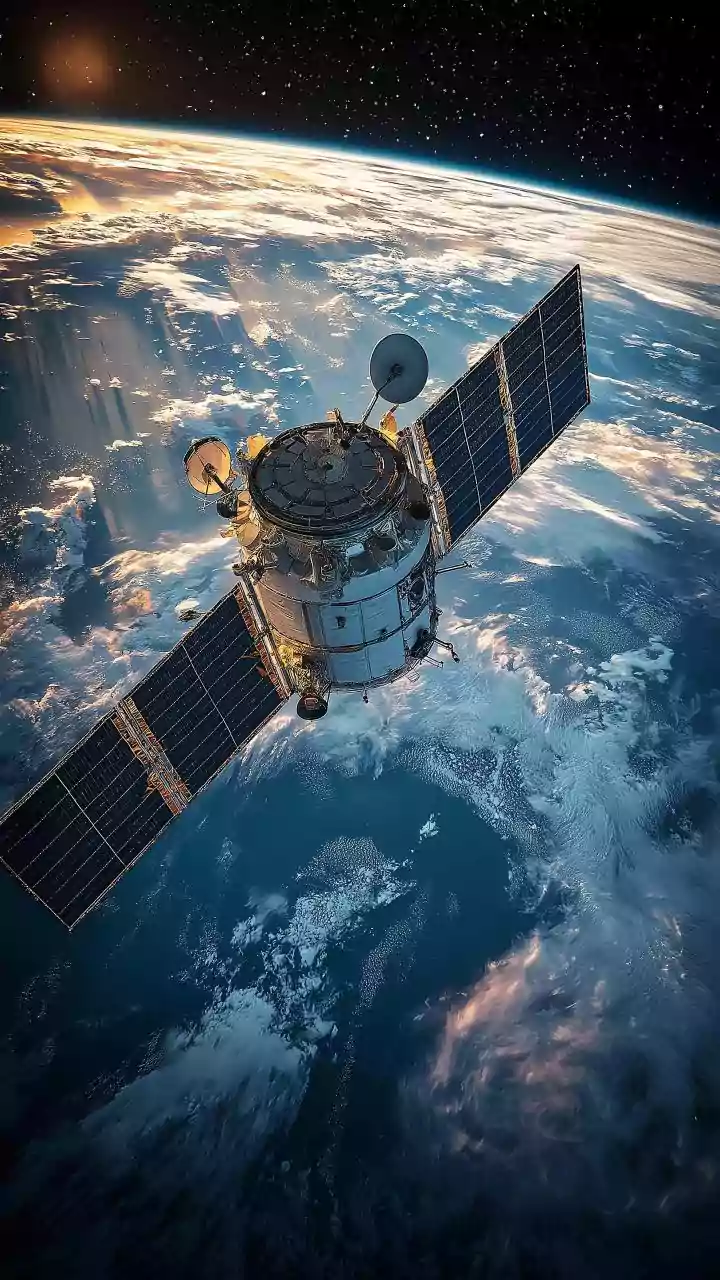
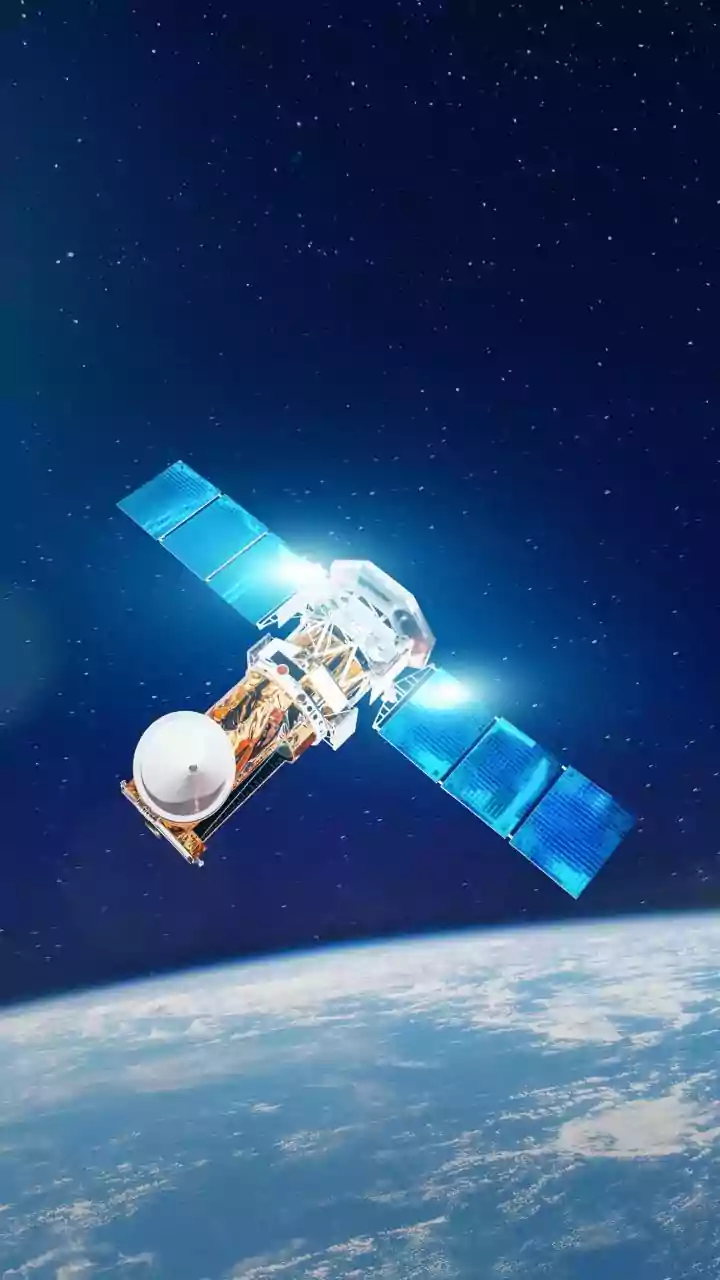
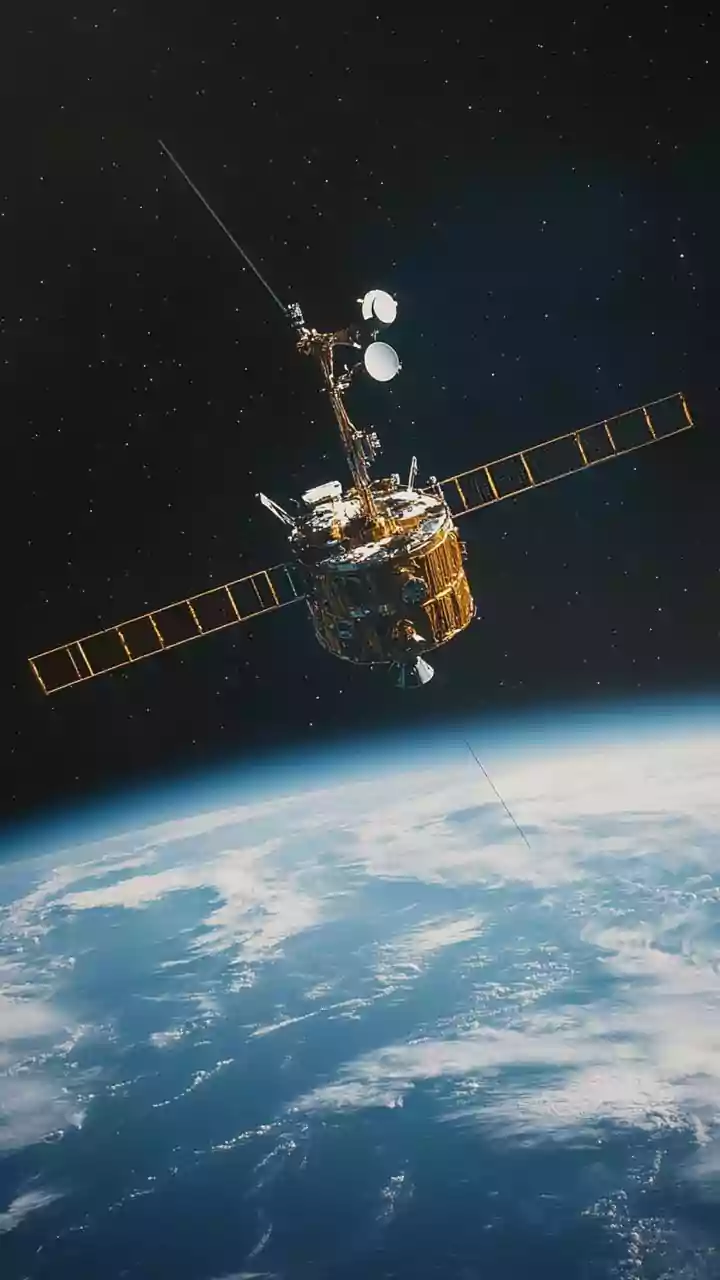
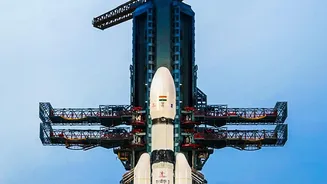
At the heart of this collaboration are two of the most advanced solar missions ever launched. Aditya-L1 is India's first dedicated observatory to study the Sun, positioned at the strategic Lagrange Point 1 (L1), about 1.5 million kilometres from Earth.
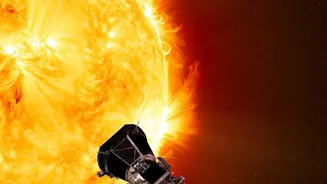
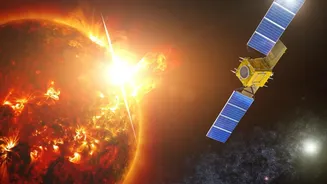
This unique vantage point allows it to watch the Sun continuously without any interruption from eclipses or occultations. One of its key instruments, the Visible Emission Line Coronagraph (VELC), was developed by the Indian Institute of Astrophysics (IIA) to capture the intricate details of the Sun's outermost layer, the corona. Meanwhile, ESA's Proba-3 is a revolutionary mission in its own right. It consists of two satellites flying in precise formation, about 150 meters apart, to create an artificial solar eclipse. This allows its coronagraph, ASPIICS, to block the Sun's blinding glare and observe the faint, inner corona closer to the solar surface than ever before.
A Powerful Partnership
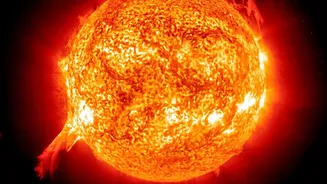
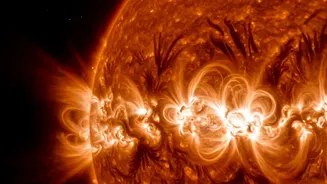
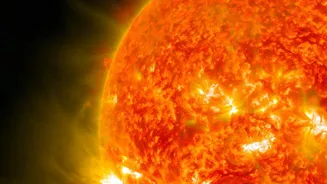
While both missions are impressive on their own, their combined power is what makes this study a breakthrough. Observing the birth of solar eruptions, particularly Coronal Mass Ejections (CMEs), is notoriously difficult. CMEs are colossal explosions of plasma and magnetic fields from the Sun that can trigger severe space weather events on Earth. Previous instruments have struggled to track their initial evolution close to the Sun. This new study, published in the journal 'Astronomy & Astrophysics', combines spectroscopic data from Aditya-L1's VELC with imaging data from Proba-3's ASPIICS. This provides a more complete picture, allowing scientists to analyse the mass, density, and energy of CMEs right from their inception, something that wasn't possible with a single spacecraft.
What the First Analysis Revealed
The joint analysis focused on two CMEs that occurred in September 2025, which were simultaneously observed by both missions. The data revealed two distinct types of eruptions. One CME was incredibly fast, travelling at approximately 645 kilometres per second, while the other was much slower, moving at around 145 kilometres per second. Interestingly, the slower CME showed a more rapid decrease in density as it moved away from the Sun, suggesting it expanded more powerfully in its initial moments. By combining observations, researchers could track the event from its earliest phase in the inner corona with Proba-3 and follow its journey outward with Aditya-L1. This complementary view is critical for understanding how the energy of an eruption—split between motion, heat, and magnetic forces—evolves as it travels into space.
Why This Matters for India and the World
This research is far more than just an academic exercise. Understanding and predicting space weather is crucial for our technology-dependent world. Violent solar outbursts can disrupt and damage satellites, interfere with GPS and communication networks, and even cause massive blackouts by overwhelming power grids on Earth. The insights gained from the Aditya-L1 and Proba-3 collaboration will significantly improve our models for forecasting space weather. For India, this study cements Aditya-L1's role as a world-class scientific asset and demonstrates the growing impact of ISRO's capabilities. The successful collaboration, which builds on a long-standing partnership between ISRO and ESA, showcases India's rising prominence in global space exploration and heliophysics research.