

What is the Best Pot Size?
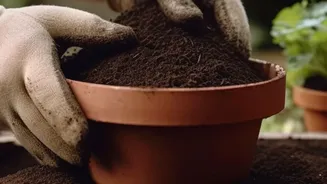
When you first get your lemon tree, choose a pot that is a few inches wider than its current nursery container. For a small starter tree, a pot that is 8 to 12 inches wide and at least 12 inches deep is a good starting point. The key is to avoid moving
it into a massive container right away. A pot that is too large holds excess soil and moisture, which can lead to root rot. Instead, plan to gradually increase the pot size every two to three years as the tree grows. This process, known as 'potting up', helps maintain a healthy balance between the root system and the soil volume. You'll know it's time to repot when you see roots growing out of the drainage holes or if the soil dries out extremely quickly.
Does the Pot Material Matter?
Yes, the material of your pot affects moisture retention and temperature. Terracotta pots are porous, allowing for better airflow and helping the soil to dry out, which citrus trees appreciate. However, they do require more frequent watering and can be heavy. Plastic or resin pots are lightweight and retain moisture longer, making them a good choice if you tend to underwater or need to move your plant indoors for winter. If you choose plastic, ensure it's a light color to prevent the roots from overheating in direct sun. Fabric grow bags are another excellent option, as they promote great aeration and prevent roots from circling inside the pot. No matter the material, great drainage is the most critical factor.
How Important Is Drainage?
Drainage is absolutely non-negotiable for lemon trees. They despise 'wet feet' and cannot tolerate sitting in soggy, standing water, which deprives roots of oxygen and quickly leads to root rot. Your chosen pot must have large, unobstructed drainage holes at the bottom. If a decorative pot has only one small hole, it's best to either drill more or use it as a cachepot, placing a simpler pot with adequate drainage inside it. To further improve drainage, you can elevate the pot slightly using bricks or pot feet to ensure water can freely escape and air can circulate underneath. Never add a layer of gravel to the bottom of the pot; this old practice has been shown to create a waterlogged layer just above the rocks, worsening the very problem it was meant to solve.
How Often Should I Water My Lemon Plant?
There is no fixed schedule for watering a lemon tree. The best method is to check the soil consistently. Water your tree only when the top 2 inches of soil feel dry to the touch. How quickly this happens depends on temperature, humidity, sun exposure, and the size of your pot and tree. In hot, dry weather, you may need to water every few days, while in cooler months, it might be once a week or even less. Potted lemon trees will always need more frequent watering than those planted in the ground because the limited soil volume dries out faster. The key is to respond to the plant's needs rather than watering on a strict calendar.
What Is the Correct Watering Technique?
When it's time to water, do it thoroughly. Use the 'drench and drain' method. Pour water slowly and evenly over the soil surface until you see it running freely from the pot's drainage holes. This ensures the entire root ball is saturated. After a thorough watering, allow the pot to drain completely for about 30 minutes, and then discard any excess water from the saucer. Letting the pot sit in a saucer full of water completely defeats the purpose of good drainage and can lead to root rot.
What Are Signs of Overwatering vs. Underwatering?
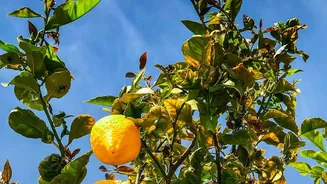
Confusingly, the signs for both can be similar, often involving yellowing, drooping leaves. For overwatering, the leaves often turn yellow and fall off easily, the soil may have a musty smell, and you might see fungus gnats. In severe cases, the tips of branches can turn black. Underwatering also causes leaves to yellow and drop, but they may look more shriveled or crispy. The easiest way to tell the difference is to check the soil. If the leaves are yellow but the soil is consistently soggy, overwatering is the culprit. If the leaves are wilting and the soil is bone dry, the plant is thirsty. Adjust your watering habits based on what the soil tells you.