





The Pandemic’s Unsparing Squeeze
The onset of the COVID-19 pandemic brought a sudden halt to the global economy. For startups in capital-intensive fields like aerospace, the situation was especially dire. Fundraising plans stalled, and cash runways began to shrink at an alarming rate.
Hyderabad-based Skyroot Aerospace, founded in 2018 by former ISRO scientists Pawan Kumar Chandana and Naga Bharath Daka, found itself in a precarious position. The company's planned Series A funding round was delayed, leaving it with just a few months of operational capital in the bank. The greatest fear wasn't just project delays, but the potential loss of its highly specialised team—the very individuals designing India’s first privately-built rockets. In the high-stakes world of deep-tech, talent is everything, and the prospect of engineers leaving for more stable jobs was a threat to the company's entire future.
An Investor's Unconventional Lifeline
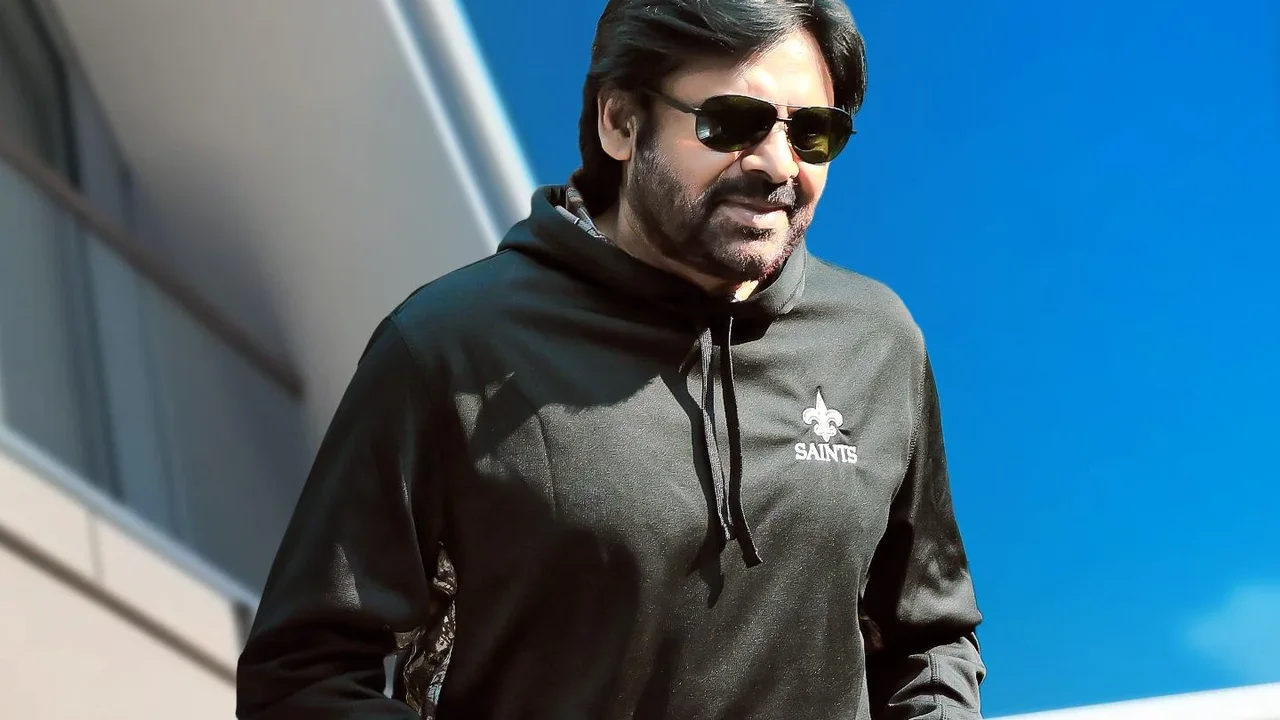
Just as the future seemed most uncertain, a crucial lifeline appeared. An existing investor, Sherpalo Ventures, led by Ram Shriram, one of the earliest backers of Google, stepped in with a unique offer. It wasn't a traditional equity investment but a ₹2 Crore grant—a top-up fund with a singular purpose. This money was earmarked specifically to safeguard the team. Co-founder Pawan Kumar Chandana has spoken about the immense challenges of that period, noting how investors' priorities had shifted dramatically, making survival difficult for emerging companies. This grant was an exception. It was a strategic decision to insulate the company's human capital from the economic shockwave, ensuring that salaries could be paid and that the core team would remain intact through the crisis.
A Bet on People Over Projects
The decision to allocate ₹2 Crore entirely to talent retention was a masterstroke in people-first leadership. In a sector where progress is measured in technical milestones and successful tests, Skyroot’s leadership and its backers made a powerful statement: the team is the most critical asset. Losing brilliant minds that had been with the company since its inception would have set them back years, far more than any pandemic-related project delay. This move fostered immense loyalty and stability at a time of widespread anxiety. It sent a clear message to employees that their well-being was the company's top priority. This act of ensuring financial security during a global crisis built a foundation of trust and commitment that would prove invaluable in the years to come.
The Long-Term Payoff: From Survival to Soaring
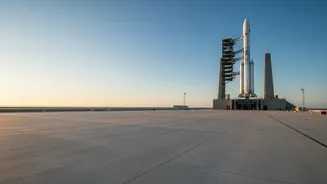
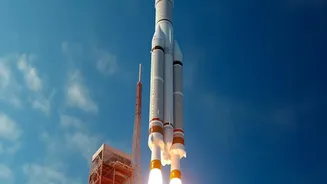
That ₹2 Crore investment paid dividends that far exceeded its monetary value. With its core team secure, Skyroot was able to weather the storm and emerge stronger. The company went on to successfully launch India's first privately developed rocket, the Vikram-S, in November 2022. This historic achievement paved the way for even greater ambitions. The firm's subsequent funding rounds have been remarkably successful, culminating in it becoming India's first space-tech unicorn with a valuation of over $1.1 billion. Today, as Skyroot prepares for the commercial operations of its Vikram-1 orbital rocket, the connection between that crucial support during the pandemic and its current success is undeniable. The decision to protect its talent was not just a survival tactic but a long-term investment in the innovation and resilience that now defines the company.