

The Perfect Stargazing Conditions
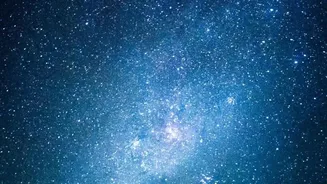
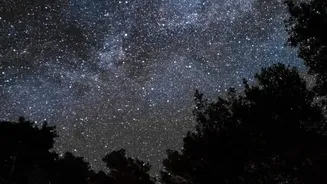
September is often called a 'Goldilocks' month for skywatching, and for good reason. For much of India, the monsoon rains have subsided, leading to a drop in humidity and atmospheric haze. This increased transparency means the sky is darker and the stars
appear sharper and brighter. The change can be so noticeable that you might wonder if the stars themselves have changed—they haven't, but the air between you and them has significantly improved. Furthermore, the nights are growing longer, but the temperatures remain pleasant, meaning you can stay outside comfortably without the heavy layers required in deep winter or the insects of peak summer. This combination of clearer skies and comfortable viewing conditions makes it an ideal entry point for anyone curious about the cosmos.
A Dazzling Planetary Showcase
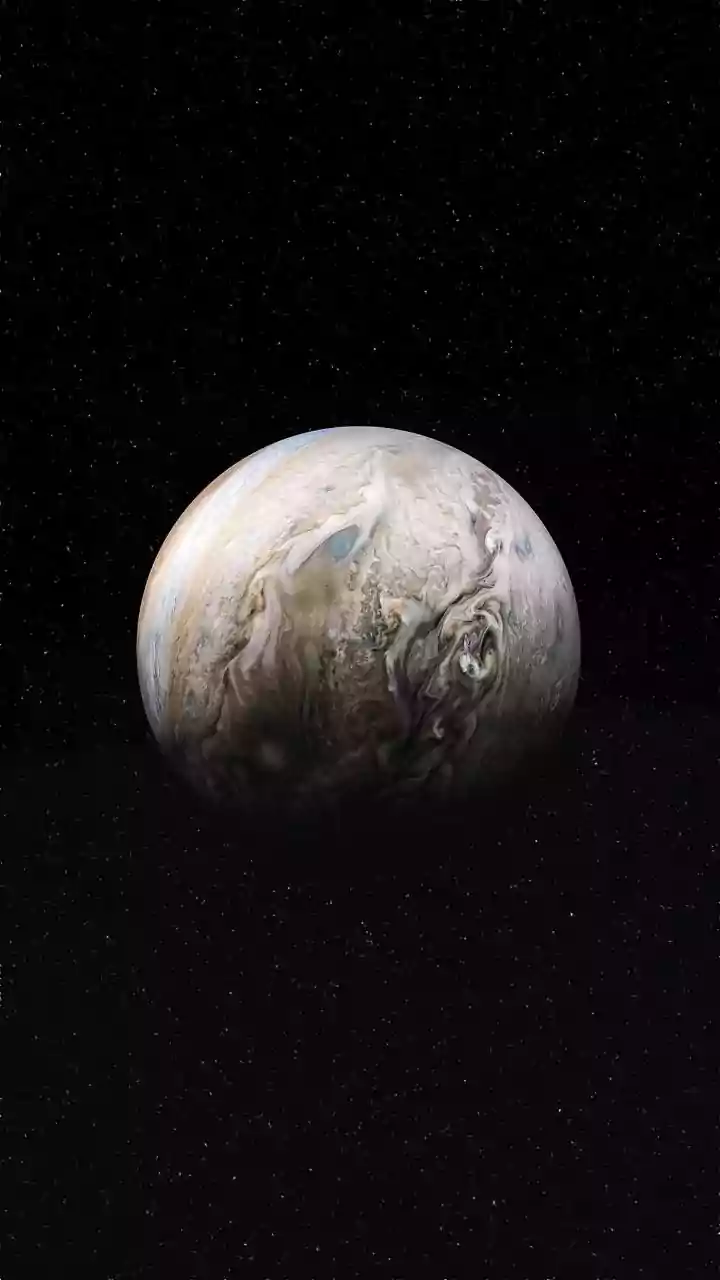
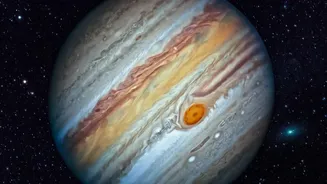
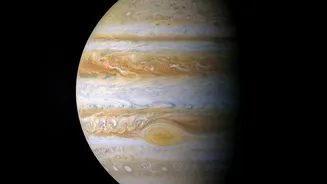
This September is particularly rewarding for planet-watchers. The star of the show is Venus, which will be exceptionally bright in the western sky just after sunset. It reaches its peak brilliance for the year on September 18, making it an unmissable beacon. Not to be outdone, Saturn will be visible for most of the night, rising in the east shortly after sunset. While you'll need a small telescope to see its famous rings, the planet itself will appear as a steady, yellowish point of light. Jupiter, the giant of our solar system, dominates the pre-dawn sky, appearing as a very bright, white light in the east. On September 8, a thin crescent Moon will pass very close to Jupiter, creating a beautiful pairing. Reddish Mars is also in the morning sky, getting brighter as the month progresses.
Constellations and the Harvest Moon
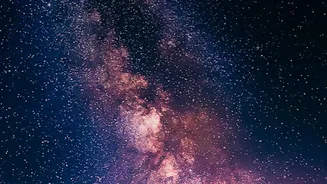
While planets are exciting, learning constellations provides a map to the night sky. In September, the famous Summer Triangle, comprising the bright stars Vega, Deneb, and Altair, is still high in the southern sky during the evening. It’s a great starting point for navigating the stars. Following Deneb will lead you to the shape of Cygnus, the Swan, which appears to be flying down the Milky Way. For those with clear, dark skies, September offers one of the last best chances of the year to see the bright core of our own galaxy before it sets for the season. The month culminates with the Harvest Moon on September 26. This is the full moon closest to the autumnal equinox (September 22), and it will rise around sunset, glowing with a beautiful orange hue.
Your Simple Skywatching Toolkit
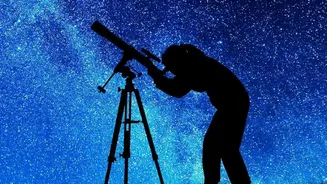
Getting started with skywatching is easier than you might think. The most important step is to find a location away from city lights. Even a short drive to a darker park can reveal hundreds more stars. Once you're there, give your eyes at least 15-20 minutes to fully adapt to the darkness; you'll be amazed at how much more becomes visible. While a telescope is a fantastic tool, a simple pair of binoculars is an excellent starting point for beginners. They are portable and can reveal craters on the Moon, the moons of Jupiter, and countless stars invisible to the naked eye. Finally, use technology to your advantage. There are many smartphone apps that use your phone's GPS and compass to identify stars, planets, and constellations in real-time. Just point your phone at the sky, and the app will tell you exactly what you're looking at.