





What Exactly Grounded The Flights?
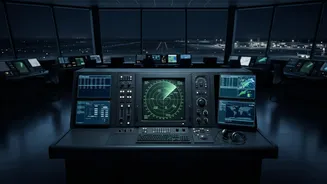
The chaos stemmed from a failure in a critical, yet little-known, piece of aviation infrastructure. In one instance, it was the Notice to Air Missions (NOTAM) system. Think of it as the digital bulletin board for pilots, providing essential real-time
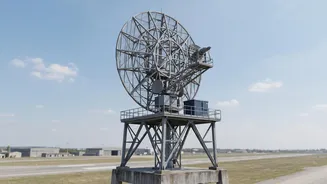
information about hazards like closed runways, equipment outages, or even bird flocks. Without it, pilots are flying blind to immediate changes in their environment. In another major incident on November 13, 2026, a data overload during a hardware upgrade caused widespread instability in communications and radar feeds across the country, affecting 17 of 22 air traffic control centers. Both events forced the Federal Aviation Administration (FAA) to take the unprecedented step of grounding thousands of flights, a measure not seen on a national scale since the 9/11 attacks.
The Official Story and Its Shortcomings
In the case of the NOTAM failure, the FAA's preliminary review pointed to human error, stating that contract personnel 'unintentionally deleted files' during maintenance. For the November 2026 halt, the blame was placed on legacy equipment being overwhelmed by a data flood during an upgrade being performed by a contractor. In both scenarios, the FAA was quick to state that there was no evidence of a malicious cyberattack. While these explanations identified an immediate trigger, they left many experts and lawmakers unsatisfied. Critics argue that blaming a single file deletion or a router overload misses the bigger picture. It fails to sufficiently explain why redundant systems, or backups, didn't prevent a complete collapse of the national airspace.
Why Experts Remain Unconvinced
Aviation specialists and government watchdogs argue that these incidents are symptoms of a much deeper problem: chronically outdated and fragile technology. Reports from the Government Accountability Office (GAO) have been warning for years that a significant portion of the FAA's critical air traffic control systems are unsustainable. Some equipment still in use is decades old, making it difficult to source parts and maintain. Experts point out that simply identifying the device that failed doesn't explain why it failed or why the network lacked the resilience to handle the error. There are lingering questions about whether the FAA's modernization efforts are moving too quickly without adequate testing, training, and independent oversight, potentially creating new risks. This has led to formal calls from lawmakers for a more robust, independent investigation to get to the root cause beyond simple human or hardware error.
Beyond a Simple Glitch
The focus for many experts is not on assigning blame, but on understanding the systemic vulnerabilities that allowed the shutdowns to happen. These incidents have highlighted a critical lack of redundancy in systems that are supposed to have fail-safes. The fact that a localized maintenance issue could cascade into a nationwide crisis points to a fragile and deeply interconnected architecture. The US Transportation Secretary has acknowledged the system's age and fragility, using the events to lobby for billions in funding to complete a long-overdue overhaul of the entire air traffic control network. The incidents serve as a stark reminder that as technology becomes more complex, so do the potential points of failure, requiring more sophisticated and resilient safety nets.