



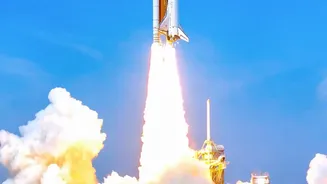
A Renewed Alliance for the Stars
In early October 2026, NASA and the U.S. Department of Energy (DOE) signed a landmark Memorandum of Understanding to formalize their collaboration on developing nuclear systems for space. This isn't a new idea—the U.S. experimented with nuclear rockets
in the 1960s—but this renewed push combines NASA's expertise in space exploration with the DOE's deep knowledge of nuclear science and reactor development. The agreement establishes a clear framework for everything from research and fuel production to testing and mission integration. The primary goal is to create reliable power and propulsion systems that can take humanity farther and support a sustained presence on the Moon and, eventually, Mars.
How Nuclear Rockets Work
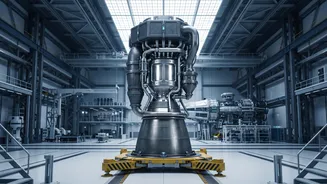
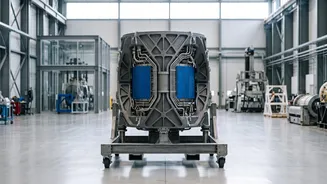
When we talk about nuclear propulsion, we're mainly looking at two types: Nuclear Thermal Propulsion (NTP) and Nuclear Electric Propulsion (NEP). NTP works by using a compact nuclear reactor to heat a liquid propellant, like hydrogen, to extreme temperatures. This superheated gas then shoots out of a nozzle to create powerful thrust. It's about twice as efficient as the best chemical rockets today, meaning it can generate more push for every kilogram of fuel. NEP, on the other hand, uses the reactor to generate a large amount of electricity. This electricity then powers highly efficient thrusters that ionize and accelerate an inert gas like xenon to create a steady, continuous, but lower-thrust push. While NTP provides the high-thrust muscle for quick manoeuvres, NEP offers incredible long-term efficiency for deep-space cargo missions.
The Game-Changing Need for Speed
The biggest advantage of nuclear propulsion is speed. A faster trip to Mars significantly reduces the time astronauts are exposed to dangerous deep-space radiation, a major hurdle for human missions. Shorter transit times also lessen the logistical challenges of carrying supplies for a long journey. Beyond speed, nuclear systems offer a consistent and powerful energy source that doesn't depend on sunlight. This is crucial for operating in the outer solar system where solar panels become ineffective, or for powering a base during the long, dark lunar nights. Essentially, nuclear technology enables more ambitious missions, allowing spacecraft to carry heavier scientific payloads and expanding the possibilities for what we can explore.
Key Projects on the Horizon
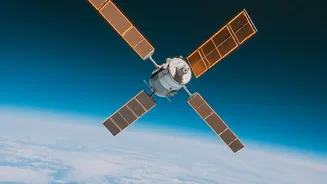
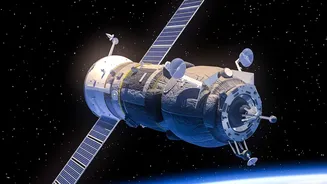
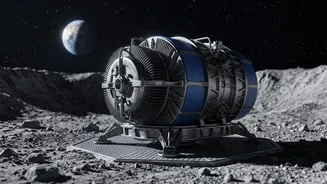
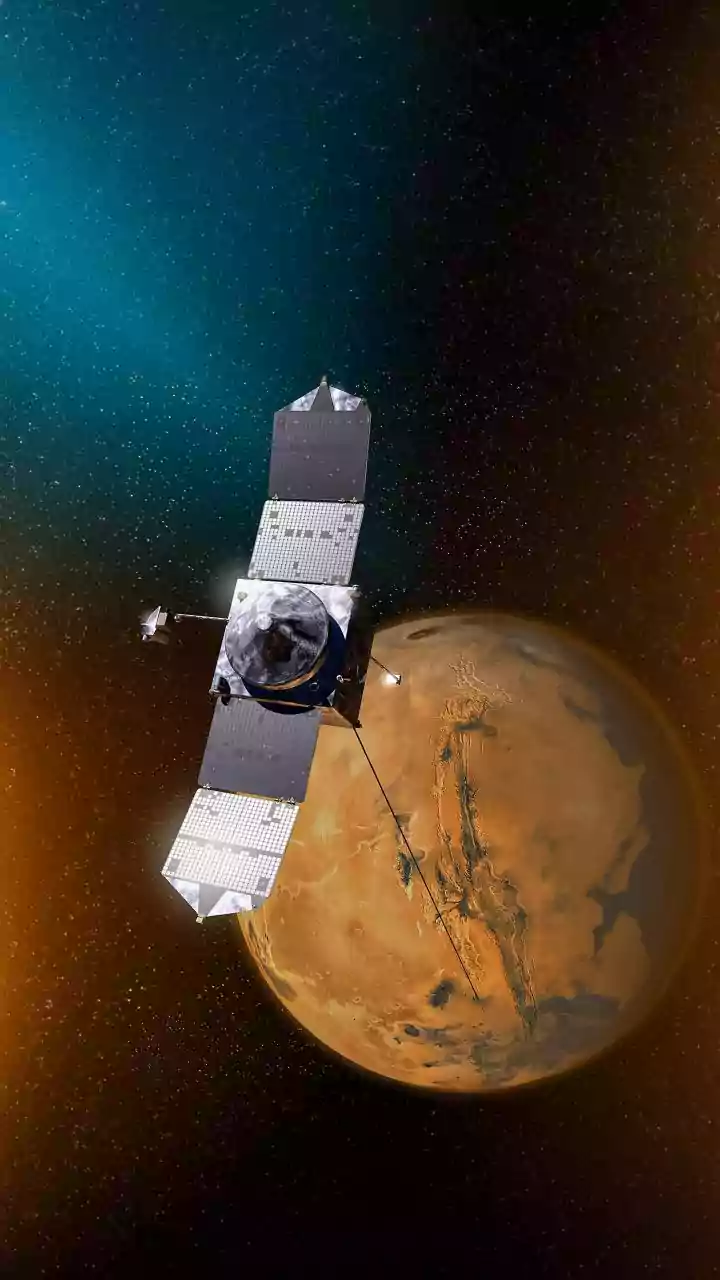
A central piece of this partnership is the Space Reactor-1 Freedom (SR-1) mission, a demonstrator spacecraft planned for launch in 2028. SR-1 is designed to be a pathfinder for Nuclear Electric Propulsion, testing the technology in deep space on a journey toward Mars. While it won't be a crewed mission, it will provide invaluable data on how these systems perform in a real space environment. The partnership is also focused on developing fission surface power systems, like the planned Lunar Reactor-1 (LR-1), which could provide the electricity needed to run a future Moon base, powering habitats, communications, and scientific instruments.
Challenges on the Road to Mars
Despite the immense promise, the path forward has its challenges. Developing materials that can withstand the extreme temperatures inside a nuclear reactor—over 4,800 degrees Fahrenheit for NTP systems—is a major engineering hurdle. Ensuring the absolute safety and reliability of these systems is paramount, from ground personnel to the public and the crew. The project will require a reliability goal of over 99.99% for safe operation. There are also regulatory hurdles and public perception to manage. NASA has stressed that any nuclear systems would only be activated once a spacecraft is in a safe, stable orbit far from Earth, ensuring no risk to our planet. Successfully navigating these technical and policy challenges will be key to realizing the full potential of this technology.