








Beyond the Bucket List
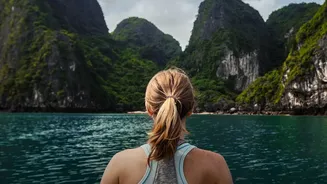
For years, travel was defined by a checklist of iconic sights. But a collective recalibration is underway. Travellers are now seeking depth over distance, prioritising personal growth and genuine connection over passive sightseeing. This isn't just a fleeting
trend; it reflects a deeper desire for travel to be more meaningful. Reports show people are increasingly planning trips with a feeling or a 'vibe' in mind, rather than just a place. The new status symbol isn't a crowded landmark, but a private, restorative moment that leaves you feeling changed. This has given rise to the 'skillcation'—a trip designed around learning something new, where the best souvenir is knowledge, not a magnet.
The World on Your Plate
Culinary tourism has become a primary driver for travel, with some reports indicating that nearly 80% of travellers choose their destination based on its food and drink scene. This goes far beyond fine dining. The focus in 2027 will be on hyper-local, authentic food journeys. Think hands-on cooking classes with local chefs, foraging for ingredients, exploring street food stalls, and visiting family-run vineyards. Learning how to make pasta in Italy or cheese in the Swiss Alps creates a connection to a place that simply eating in a restaurant cannot replicate. With the global culinary tourism market projected to grow significantly, food is firmly established as a gateway to understanding culture, history, and community.
Journeys for Mind and Body
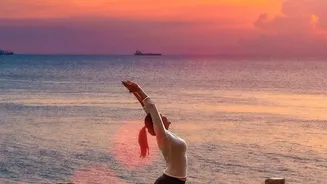
Wellness travel is also undergoing a transformation. While the spa day isn't disappearing, the focus is broadening to encompass holistic well-being. The wellness tourism market is projected to reach over a trillion dollars by 2027, driven by a demand for travel that genuinely restores the mind and body. This includes trips centred on mental wellness, digital detoxes, and connecting with nature. Nearly two-thirds of travellers actively seek experiences that calm the nervous system, and almost 80% say fresh air and the outdoors are essential for relaxation. Expect to see more personalised wellness programs, from fitness bootcamps and social wellness festivals to silent retreats designed to help travellers disconnect from technology and reconnect with themselves.
Bringing Home a New Skill
The rise of the 'skillcation' shows that travellers are eager to use their time off for personal development. Surveys show that nearly half of travellers are interested in taking a trip to learn a new skill, with younger generations like Gen Z and Millennials leading the charge. The possibilities are endless: learning to sail, mastering photography from a local artist, trying a traditional craft like pottery or weaving, or even picking up survival skills in the wild. This trend reflects a desire for travel to be an active pursuit rather than a passive one. Over half of travellers report that learning something new makes a trip feel more meaningful, and many believe a new skill is a more valuable memento than any physical souvenir.
Travel with Purpose
Finally, there is a growing consciousness about the impact of travel. The 2027 traveller is not just an observer but an active participant in a destination's ecosystem. This translates into a preference for slower, longer stays that allow for deeper immersion in a local community. There's also a rising interest in 'citizen science' and conservation-focused trips, where travellers can contribute to protecting the environments they visit. This includes staying in community-run lodges, choosing sustainable operators, and ensuring that tourist spending directly benefits local people. The future of travel is about creating a positive exchange, leaving a place not just as you found it, but perhaps even a little better.