



Why Rain and Fruit Are a Bad Mix
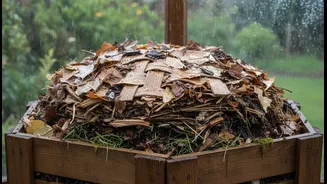
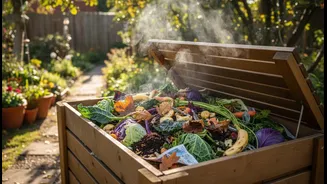
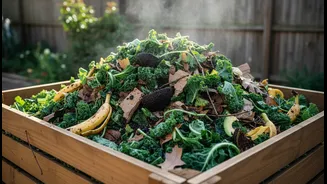
A healthy compost pile should feel like a wrung-out sponge: moist, but not waterlogged. Fruit scraps, being high in water content and sugar, are already considered “green” materials in the composting world. When you add external moisture from heavy rain,
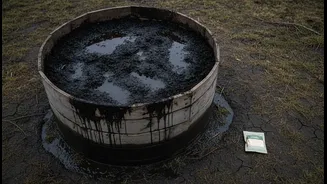
the balance is thrown off. This excess wetness creates an anaerobic environment, meaning it lacks oxygen. This is the primary cause of foul odours, often smelling like ammonia or rotten eggs, as the materials start to rot instead of properly decompose. A waterlogged bin also becomes a breeding ground for pests and can slow down the entire composting process, leaving you with a slimy, compacted sludge that is difficult to manage.
The Golden Rule: Balance Your Browns
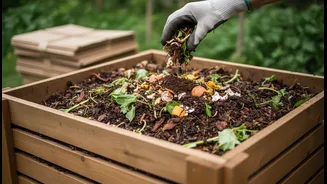
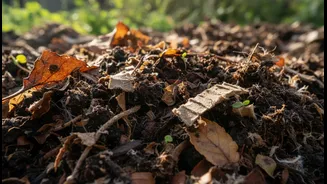
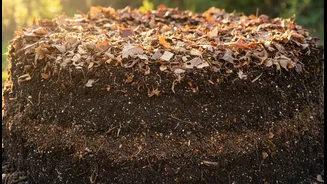
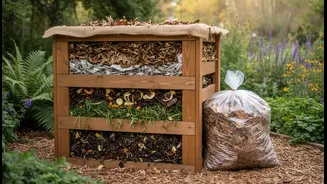
The single most effective strategy for managing a wet compost bin is to master the balance between “green” and “brown” materials. Greens, like fruit and vegetable scraps, are rich in nitrogen. Browns are carbon-rich, dry materials that absorb excess moisture and provide structure for air pockets. Common brown materials include shredded newspaper (non-glossy), cardboard, dried leaves, sawdust, and paper egg cartons. A general rule of thumb is to aim for a ratio of two to three parts brown material for every one part green material. During the rainy season, you should be even more generous with your browns. Before the monsoon arrives, it's wise to stockpile a supply of dry leaves or shredded cardboard specifically for this purpose.
Smart Pre-Bin Preparation
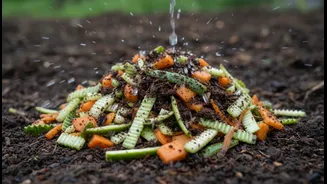
Managing moisture starts before the scraps even enter the bin. Chopping larger fruit scraps into smaller pieces increases their surface area, helping them break down faster. If you have particularly wet scraps, like melon rinds or juicy mango peels, consider letting them air dry on a plate for a few hours before tossing them in. Some composters even freeze their fruit scraps; this not only prevents odours in the kitchen but also helps break down the cell walls of the fruit, which can speed up decomposition once they are added to the bin. This simple step can significantly reduce the initial moisture load on your compost system.
Location, Drainage, and Aeration
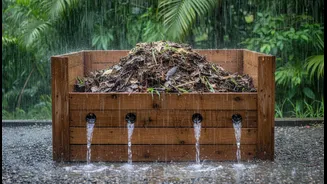
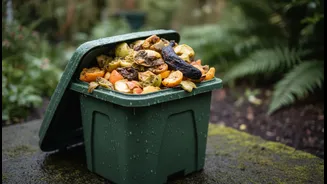
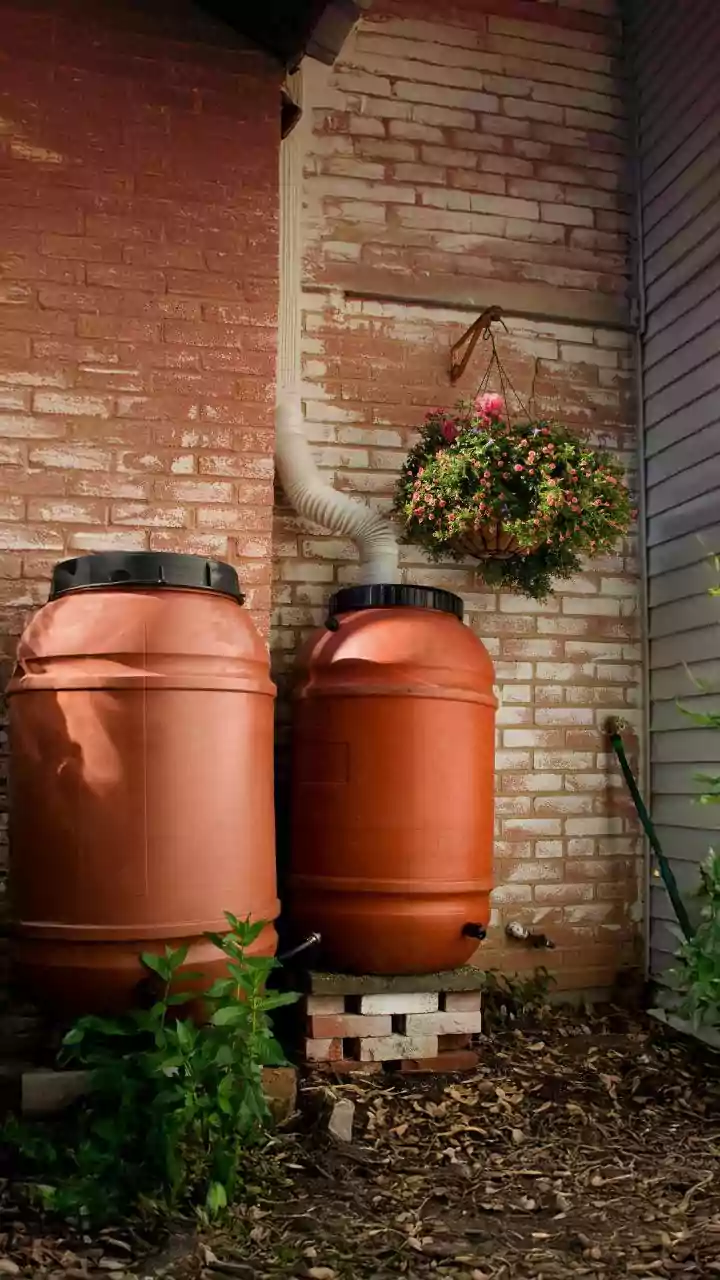
Where you keep your bin matters. If possible, move it to a sheltered location, such as under a roof overhang or a covered balcony, to protect it from direct rainfall. A simple tarp secured over the top can also work wonders, but ensure it doesn't completely seal the bin, as airflow is crucial. Good drainage is also essential. If your bin doesn't have drainage holes, consider drilling a few in the bottom. Elevating the bin on bricks or a wooden pallet can also help excess water escape and prevent it from sitting in a puddle. Finally, remember to aerate. Turn your compost pile regularly with a small rake or pitchfork. This introduces oxygen, prevents compaction, and helps distribute moisture more evenly, which discourages bad smells and accelerates decomposition.
Alternatives for Small Spaces
If an outdoor compost bin proves too challenging in a small, rainy environment, there are other excellent options. Vermicomposting, or worm composting, is an ideal indoor solution that takes up little space and produces incredibly nutrient-rich castings for plants. These systems are self-contained, so rain isn't an issue. Bokashi is another indoor method that ferments food scraps, including meat and dairy, in an airtight bucket. The process is quick and odour-free, though the fermented material needs to be buried in soil afterwards. You can also explore creative reuses for fruit scraps, such as dehydrating peels for tea or powder, before they even become waste.