


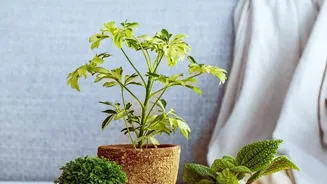


The Myth's Green Roots
The belief that houseplants are effective air purifiers stems largely from a famous NASA study from 1989. Researchers, looking for ways to clean the air in sealed space stations, placed various common houseplants in small, sealed chambers. They then pumped
in volatile organic compounds (VOCs) like benzene and formaldehyde—pollutants commonly found indoors. The results were compelling: some plants were able to remove a significant percentage of these chemicals from the air in the chamber over 24 hours. The study identified several plants, including the Peace Lily, Spider Plant, and English Ivy, as being particularly effective under these lab conditions. This research sparked a worldwide trend, positioning houseplants not just as decor, but as essential tools for a healthier home.
From Sealed Chamber to Living Room
The problem is that your living room is not a tiny, sealed NASA chamber. The original study's conditions don't reflect a real-world home, which has constant air exchange from open windows, doors, and ventilation systems. A 2019 review of decades of research, published in the Journal of Exposure Science & Environmental Epidemiology, concluded that the natural ventilation of a building cleans the air far more effectively and rapidly than plants can. The rate at which plants metabolise these VOCs is incredibly slow compared to the rate at which air in a room is replaced. In essence, the air exchange in your home dilutes pollutants much faster than a plant can absorb them, making the plant's effect negligible.
The Sheer Numbers Required
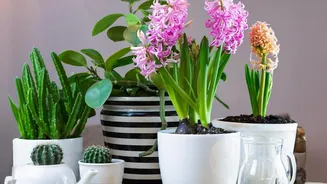
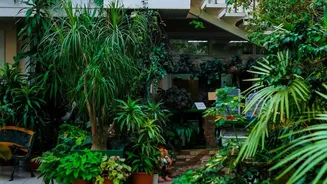
So, how many plants would it take to actually make a difference? The science is sobering. According to the researchers behind the 2019 analysis, you would need somewhere between 10 to 1,000 plants per square metre of floor space to compete with a building's natural air exchange. To put that in perspective, for a modest 1,500-square-foot home, you might need to install around 680 plants to achieve a meaningful reduction in air pollutants. Some calculations are even more dramatic, suggesting tens of thousands of plants would be necessary. For most people, turning a home into a dense, impractical jungle isn't a feasible air-purification strategy.
The Real Benefits of Houseplants
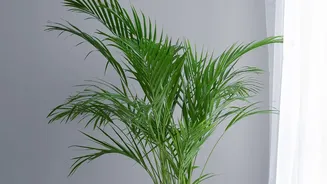
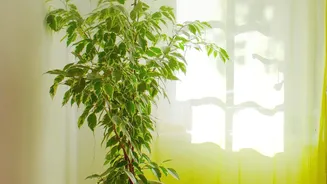
This doesn't mean you should toss your fiddle-leaf fig. While they may not be effective air purifiers, indoor plants have numerous other proven benefits. Studies have shown that interacting with plants can reduce psychological and physiological stress. Simply having greenery in your home or office can improve your mood, enhance concentration, and provide a calming connection to the natural world. The act of caring for a living thing can also be grounding and rewarding, fostering a sense of accomplishment and routine. These well-documented psychological benefits are a powerful reason to keep plants in your life, even if they aren't scrubbing toxins from the air.
Smarter Ways to Clear the Air
If you're genuinely concerned about indoor air quality, there are far more effective strategies than buying a few extra snake plants. The first and most important is source control: reduce the number of pollutants you bring into your home by choosing low-VOC paints, furniture, and cleaning products. The second key is ventilation. Regularly opening windows to allow fresh air to circulate is one of the most effective ways to reduce indoor pollutant concentrations. For a more high-tech solution, a dedicated air purifier with a HEPA filter is designed specifically to capture airborne particles and VOCs, and will do so hundreds of times more effectively than a plant.