





The Anthem is Only One Part of a Longer Poem
India's national anthem, 'Jana Gana Mana', is actually just the first of five stanzas of a Bengali hymn titled 'Bharoto Bhagyo Bidhata', written by Rabindranath Tagore. The full song is a devotional piece written for the Brahmo Samaj. The Constituent
Assembly officially adopted only the first verse as the national anthem on January 24, 1950, nearly three years after independence.
The Anthem Was First Sung in 1911
Long before it became the anthem of a free nation, 'Jana Gana Mana' was first publicly sung on December 27, 1911, at the Calcutta Session of the Indian National Congress. Interestingly, this was during a period of intense political activity, but its adoption as the national anthem would come decades later.
A Common Myth About the Anthem's Origin
A persistent rumour claims Tagore wrote the song to welcome King George V to India in 1911. However, this has been widely refuted, including by Tagore himself. He clarified that the hymn was written as a praise to the 'Dispenser of India's destiny' and the pro-British press at the time created the misunderstanding.
The Flag's Designer Was a Freedom Fighter and Geologist
The man credited with designing the precursor to the Indian flag was Pingali Venkayya, a freedom fighter from Andhra Pradesh. A true polymath, he was also a geologist and agriculturist who spent years studying the flags of other nations to create a symbol for India's independence movement. He presented his initial design to Mahatma Gandhi in 1921.
The Flag Originally Had a Spinning Wheel
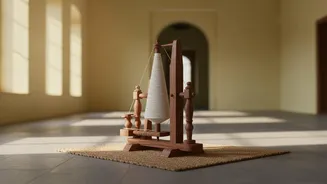
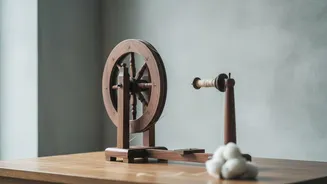
The initial versions of the flag, including the one proposed by Venkayya, featured a 'charkha' or spinning wheel at the center, symbolizing Gandhi's vision of self-reliance. When the flag was officially adopted by the Constituent Assembly on July 22, 1947, the charkha was replaced by the Ashoka Chakra, representing the eternal wheel of 'Dharma' or law.
The Flag Must Be Made of a Specific Fabric
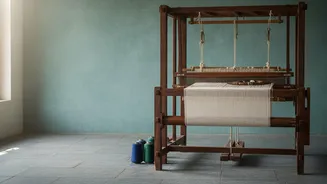
According to the Flag Code of India, authentic national flags were traditionally required to be made of 'khadi', a special hand-spun and hand-woven cotton, silk, or wool bunting. The rules are incredibly specific, detailing the number of threads per square centimetre and the exact weight. Though a 2021 amendment now permits machine-made and polyester flags, the khadi version remains a powerful symbol of the freedom struggle.
The Date of Independence Was Chosen for a Surprising Reason
The choice of August 15 was made by Lord Mountbatten, the last Viceroy of India. He selected this date because it marked the second anniversary of Japan's surrender to the Allied forces in World War II on August 15, 1945, a moment he considered a personal triumph in his military career.
Nehru's First I-Day Flag Hoisting Was Not at the Red Fort
While the Prime Minister hoisting the flag at the Red Fort is now an iconic tradition, the very first Independence Day flag hoisting by Jawaharlal Nehru on August 15, 1947, took place at Princess Park near India Gate in New Delhi. The tradition of hoisting the flag at the Red Fort began the following year, in 1948.
Nehru's Famous Speech Was Delivered at Midnight
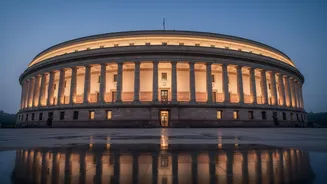
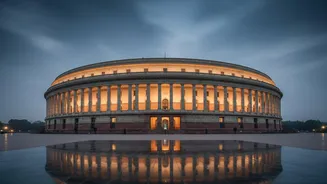
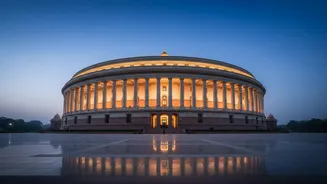
The iconic 'Tryst with Destiny' speech was delivered by Jawaharlal Nehru not on the morning of August 15, but to the Constituent Assembly in Parliament Hall as the clock struck midnight on August 14, 1947. It was at this moment he famously declared, "At the stroke of the midnight hour, when the world sleeps, India will awake to life and freedom."
Mahatma Gandhi Was Not Part of the First Celebrations
While Delhi was celebrating the dawn of freedom, Mahatma Gandhi, the architect of the movement, was not present. He was in Calcutta (now Kolkata), fasting and appealing for peace between Hindus and Muslims amidst the violent riots that followed the Partition of India. His absence was a poignant reminder of the sorrow that accompanied the joy of independence.