








The Core Theme: A Four-Pillar Approach
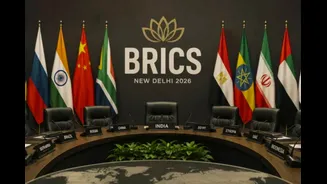
India's chairship for 2026 is anchored in the theme “Building for Resilience, Innovation, Cooperation and Sustainability”. This vision, described as a 'people-centric' and 'Humanity First' approach, breaks down into four key priorities that will guide
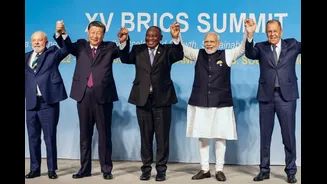
the summit's discussions and desired outcomes. The goal is to move the bloc beyond political statements and towards practical cooperation that delivers tangible benefits. This marks India's fourth time chairing the influential group, adding weight to its leadership at a time when BRICS itself completes two decades since its founding.
Pillar 1: Building Resilience
A primary focus for India is to make BRICS nations better prepared for global shocks. This involves strengthening cooperation to navigate supply chain disruptions, health emergencies, climate-related risks, and economic volatility. The agenda aims to build robust systems across agriculture, health, and energy to ensure that economies can withstand and adapt to global uncertainties, ultimately supporting stable and inclusive development for all member states.
Pillar 2: Driving Innovation
Technology and innovation form the second key pillar of India's agenda. The emphasis is on using emerging technologies like artificial intelligence (AI), fintech, and digital public infrastructure (DPI) to fuel future-ready growth. India is pushing for greater collaboration in scientific research and knowledge sharing. Key proposals include creating a BRICS Incubator Network to connect startups across member countries and a BRICS Startup Innovation Fund for financing promising new ventures. The aim is not just technology for its own sake, but using it to improve lives and expand opportunities.
Pillar 3: Deepening Cooperation
The third pillar is about enhancing practical cooperation to deliver tangible outcomes. India is seeking to deepen engagement across trade, development finance, and policy coordination. A significant focus is on supporting Micro, Small, and Medium Enterprises (MSMEs), which are crucial for job creation. Proposals on the table include a BRICS invoice discounting mechanism to ease trade finance for smaller businesses and a portal to connect MSMEs across the bloc. Other initiatives target youth engagement and strengthening academic ties through scholarships and exchanges.
Pillar 4: Ensuring Sustainability
Sustainability is the final pillar, with India advocating for a path where economic growth and environmental responsibility go hand-in-hand. The agenda includes accelerating collective efforts on climate action, promoting clean energy transitions, and securing green finance. By fostering cooperation on disaster preparedness and sustainable development, India aims to ensure that the bloc's growth story secures a healthier planet for future generations.
Navigating a Complex Geopolitical Landscape
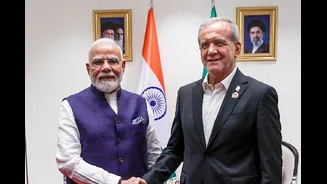
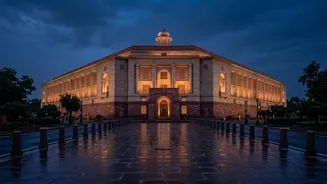
Hosting the summit at New Delhi's Bharat Mandapam, India has the opportunity to leverage the momentum from its G20 presidency to further champion the voice of the Global South. However, the task comes with challenges. The expanded BRICS, which now includes members like Iran, Egypt, and the UAE, presents a more complex dynamic. A key challenge for India as chair will be to forge consensus on sensitive geopolitical issues, such as the conflict in West Asia, and produce a credible joint declaration. The real action may happen in the bilateral meetings on the sidelines, particularly between the leaders of India and China as they continue to reset their relationship.