


The Ticking Time Bombs in the Mountains
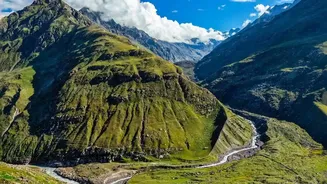
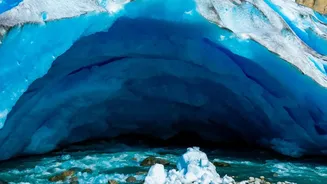
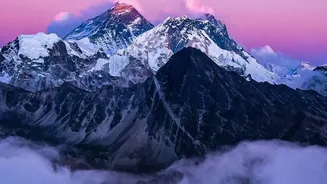
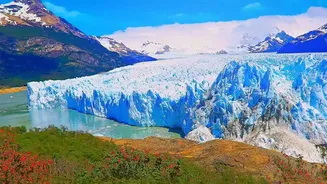
High in the Himalayas, a new and dangerous phenomenon is accelerating: the formation and rapid expansion of glacial lakes. As global temperatures rise, glaciers are melting at an alarming pace. This meltwater pools behind natural dams made of rock and loose
debris left by receding glaciers. These dams are often unstable. Scientific assessments have identified thousands of glacial lakes across the river basins connected to Nepal, with at least 41 deemed potentially dangerous. These lakes are essentially ticking time bombs. A breach can be triggered by several factors, including the pressure of the ever-increasing water volume, a landslide crashing into the lake, or a seismic event, which is common in the region.
Understanding the GLOF Threat
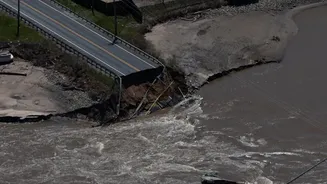
When one of these natural dams fails, the result is a Glacial Lake Outburst Flood, or GLOF. A GLOF is not a gentle release of water; it is a sudden, catastrophic event. A torrent of water, mud, ice, and boulders is unleashed, sweeping down narrow mountain valleys at immense speeds. A recent catastrophic event in August 2026 along the Nepal-Tibet border saw a wall of debris travel nearly 100 kilometres, destroying homes, bridges, and critical infrastructure. At one monitoring station during that event, water levels rose by nine meters in just half an hour. Such events have become roughly five times more frequent since 1950, highlighting a terrifying new normal for the region.
Nepal: A Nation on the Frontline
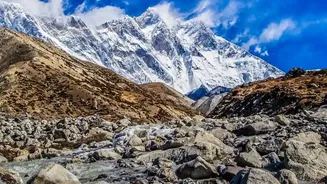
Nepal's geography makes it particularly vulnerable to these climate-induced disasters. Its steep valleys are home to numerous communities and vital infrastructure, all situated downstream from these high-risk glacial lakes. Warming in Nepal has surpassed the global average, exacerbating the melt. A 2023 UN report noted that Nepal's mountains had lost nearly a third of their ice in just over three decades. The consequences are not limited to GLOFs. The thawing of permafrost—permanently frozen ground that glues mountain slopes together—is leading to more frequent and severe landslides. These hazards combined threaten not just lives, but the very economic backbone of the nation.
The Ripple Effect on Livelihoods and Economy
The implications of these unstable glaciers extend far beyond the immediate flood path. Nepal has invested heavily in hydropower as a cornerstone of its economy, but these projects are directly in the line of fire. Major floods have the potential to wipe out hydropower plants, severing crucial energy supplies and overland trade routes. Beyond infrastructure, the floods and landslides devastate agricultural land, which millions depend on for their livelihood. The constant threat displaces communities, leading to climate-induced migration and profound non-economic losses, such as culture and identity tied to ancestral lands.
A Race Against Time for Solutions
Addressing this escalating crisis requires moving from reactive disaster response to proactive risk reduction. International partnerships are now focusing on this, with projects aimed at carefully lowering the water levels in the most dangerous lakes, such as Thulagi and Lower Barun. Simultaneously, developing and installing sophisticated early-warning systems is critical to provide downstream communities with enough time to evacuate. These systems involve monitoring the lakes and river flows, but as the August 2026 disaster showed, the speed and ferocity of a GLOF can overwhelm existing measures. Because the rivers and glaciers cross international borders, data sharing between Nepal and its neighbours is essential for effective monitoring and warning.