










A Faded Financial Legacy
For much of its history, Kolkata was not just a cultural epicenter but also the commercial powerhouse of India. Home to the once-thriving Calcutta Stock Exchange, the second largest in the country, the city drove economic activity across the entire eastern
region. However, a combination of political shifts, industrial decline, and the impact of policies like freight equalization led to a prolonged period of economic stagnation. The city's share of national GDP shrank significantly, and its financial influence waned as other centers like Mumbai, Delhi, and Bengaluru surged ahead. This decline had a cascading effect, slowing the economic momentum of the entire eastern half of the country, which depended on Kolkata as its primary urban growth engine.
The New Blueprint for Revival
The current revival strategy is a multi-pronged effort combining government policy and private investment. A central element of this push is the development of modern financial and technological infrastructure. The state government has championed initiatives like the Bengal Global Business Summit to attract domestic and international investment, showcasing a renewed focus on creating a business-friendly environment. A key symbolic and practical step in this direction is the recently announced plan in the 2026-27 state budget to revive the historic Calcutta Stock Exchange. The proposal aims to modernize the 118-year-old institution with advanced technology to boost investor confidence and provide an accessible platform for capital for businesses across Eastern India.
Newtown: The Epicenter of Growth
At the heart of Kolkata's new economic ambition is the burgeoning satellite city of Newtown. Planned as a smart city, it is home to both the Bengal Silicon Valley Hub, which is attracting data center and IT investments, and the dedicated FinTech Hub. Spanning 70 acres, the FinTech Hub is designed to create a cluster of financial institutions, bringing banking, insurance, and other financial services companies into a single, modern ecosystem. Several major banks and financial institutions are already operational or developing campuses there. This clustering is intended to create network efficiencies and foster innovation, providing a solid foundation for the city's aspirations as a hub for financial technology.
Infrastructure and Connectivity as Catalysts
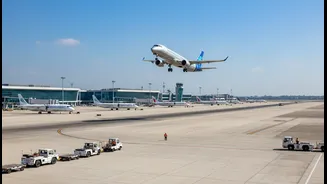
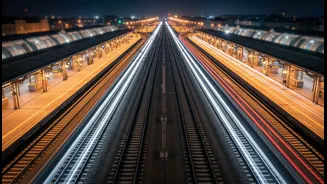
Supporting this financial and tech-focused revival is a massive push in infrastructure development. Recognizing that poor infrastructure has historically constrained growth, significant investments are being made in transportation and logistics. Major projects, including the expansion of the Kolkata Metro, the development of new expressways, and the modernization of port facilities at the Kolkata and Haldia docks, are underway to improve connectivity and the ease of doing business. These projects are not only critical for attracting large-scale investment but also for boosting the real estate market and creating new growth corridors, making peripheral areas of the city more attractive for commercial and residential development.
The Road Ahead and Its Challenges
Despite the clear momentum, the path to reclaiming financial prominence is not without obstacles. The revival of the Calcutta Stock Exchange will face stiff competition from established national exchanges and require significant effort to rebuild investor trust and navigate regulatory hurdles. Furthermore, Kolkata must contend with broader structural challenges, including bureaucratic delays and the need for consistent urban and economic planning to ensure that infrastructure development keeps pace with growth. The success of this ambitious revival will depend on sustained political will, effective implementation of planned projects, and the ability to convince the national business community that Kolkata's economic renaissance is here to stay.