

What Exactly is E20 Fuel?
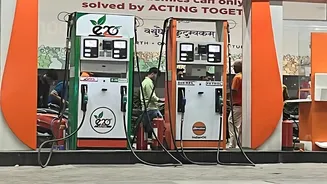
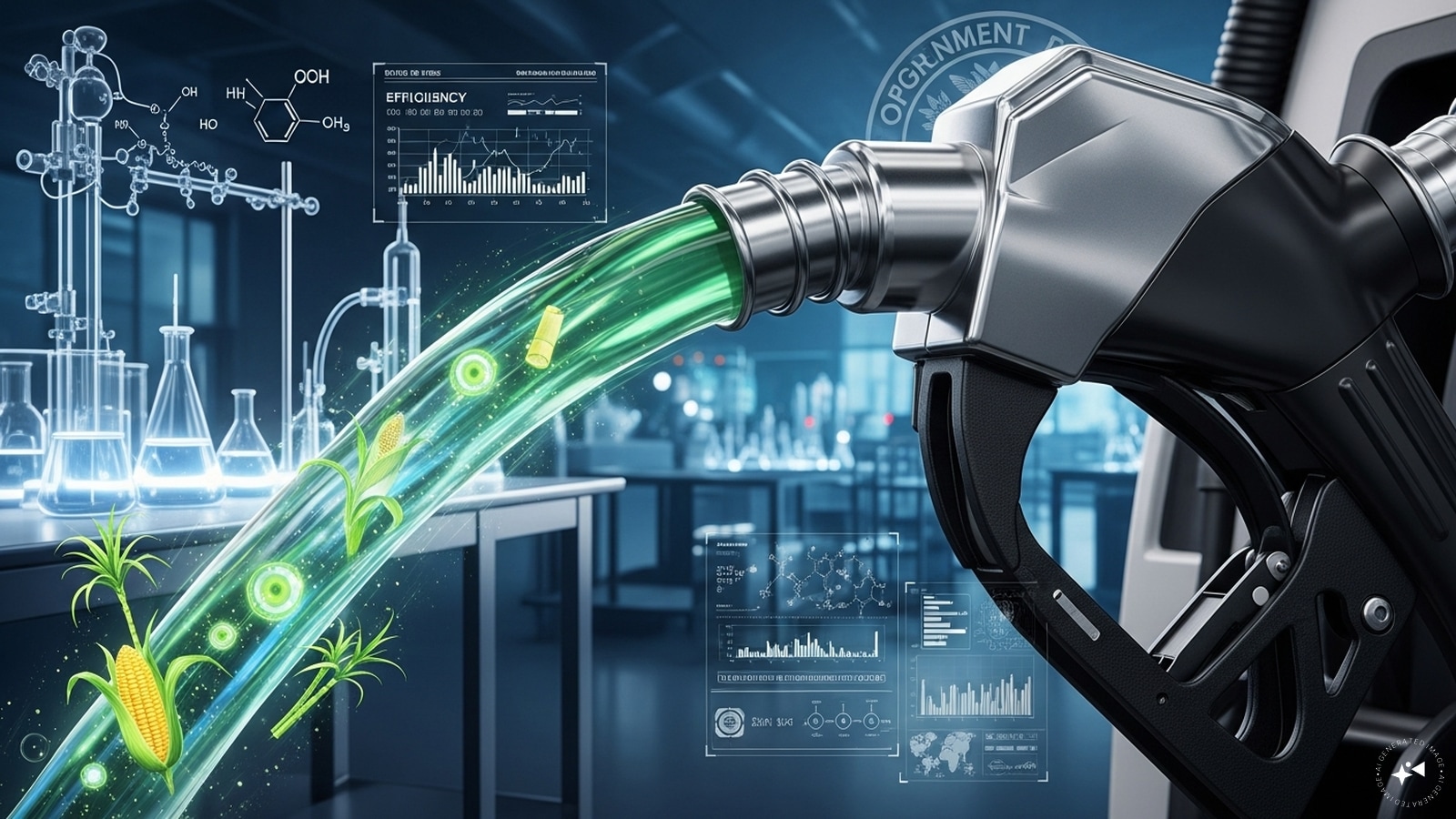
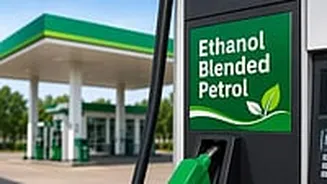
E20 fuel is a blend of 80% petrol and 20% ethanol. Ethanol is a type of alcohol, typically produced from agricultural sources like sugarcane, maize, and other grains. India has been gradually increasing the percentage of ethanol blended into its petrol for
years, moving from E5 (5% ethanol) and E10 to the current E20 standard. The government's push for this blend is driven by several national priorities: reducing the country's expensive oil import bill, providing an additional revenue stream for farmers, and lowering overall tailpipe emissions as ethanol is a renewable biofuel. As of 2025, E20 is the standard grade of petrol across the nation, a goal achieved five years ahead of the original schedule.
The Upside: A Boost in Octane
The primary combustion benefit of E20 fuel comes from its higher octane rating. Standard petrol in India historically had an octane rating of around 91. Blending it with 20% ethanol, which has a much higher octane number, raises the final product's rating to between 95 and 98 RON (Research Octane Number). A higher octane rating means the fuel is more resistant to 'knocking' or premature detonation inside the engine cylinders. This allows engineers to design engines with higher compression ratios, which can lead to more efficient combustion and better performance, particularly in terms of low-end torque. In essence, E20 turns regular petrol into a high-octane fuel, which is beneficial for modern engines designed to take advantage of it.
The Downside: The Efficiency Penalty
The main drawback discussed by motorists is a potential drop in fuel efficiency, or mileage. This happens because ethanol has a lower energy density than petrol—about 30-33% less energy per litre. When 20% of the fuel in your tank is this lower-energy component, the vehicle has to burn slightly more of it to travel the same distance. The government has stated that for some older vehicles designed for E10, the mileage drop is generally marginal, around 3-5%. However, real-world tests by automotive publications have shown the drop can vary significantly depending on the vehicle, with some cars seeing reductions from 3.8% to as high as 12.6%. Factors like engine calibration and whether the vehicle is turbocharged can influence how well it adapts to the new fuel.
Is Your Car E20 Compatible?
This is the most critical question for vehicle owners. All new cars and two-wheelers sold in India since April 2023 are required to be fully E20 compliant. Major manufacturers like Maruti Suzuki, Hyundai, Tata, and Mahindra have confirmed their model lineups from 2023 onwards are compatible. For vehicles manufactured before this date, the situation is more complex. While the government and some manufacturers state that there have been no widespread reports of engine damage linked to E20 fuel even in older, non-certified cars, concerns remain. Ethanol can be more corrosive than petrol and can degrade certain rubber and plastic components in the fuel systems of older cars not designed for it. It's also hygroscopic, meaning it absorbs water, which can be an issue in vented fuel tanks of vintage vehicles. Owners of pre-2023 vehicles should consult their manufacturer's guidelines or an authorised service centre for advice.
The Verdict on E20
The transition to E20 fuel presents a clear trade-off. On one hand, it delivers a higher octane fuel to the masses, potentially improving engine performance and reducing certain emissions while supporting India's energy security goals. On the other hand, the lower energy content of ethanol means most drivers will experience some degree of reduction in fuel efficiency. Recent statements from the government confirm that E20 is here to stay, with no plans to revert to lower blends or increase the blend beyond 20% without further scientific study. For drivers of modern, E20-compliant cars, the fuel is safe and performs as intended. For those with older vehicles, while major damage appears unlikely based on current data, a slight dip in mileage is an expected consequence of this nationwide fuel evolution.