





The Staple of Stability
The connection between food prices and public anger is one of history's most reliable plot points. From bread riots in ancient Rome to the Arab Spring, access to affordable food staples has often been the bedrock of social peace. For more than half the world's
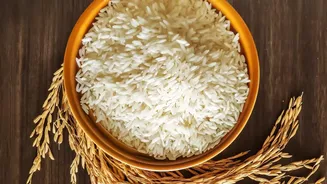
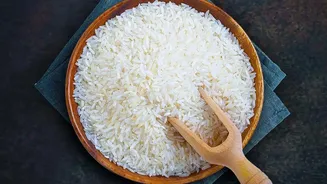
population, no staple matters more than rice. The traditional rule has been that a sharp increase in the price of rice directly fuels grievances, leading to protests and, in some cases, wider political instability. This idea is rooted in the concept of 'relative deprivation,' where a sudden loss of purchasing power creates a gap between what people feel they are entitled to and their new reality, sparking collective anger. Major global food price crises in 2007-2008 and 2010-2011 appeared to confirm this, with unrest flaring up in dozens of countries as costs soared.
A More Complicated Picture
However, a fresh look at the data shows that this direct link isn't as straightforward as once believed. Researchers now argue that simply looking at international food prices is misleading, as they don't always translate to domestic prices. The effect of a price hike is incredibly context-specific. For instance, the type of conflict matters immensely. A sudden price shock might trigger urban protests or riots, but it's less likely to be the direct cause of a sustained civil war, which is often driven by deeper, pre-existing political grievances. Furthermore, the nature of the price increase itself is important. A gradual rise may allow consumers to adapt, perhaps by shifting to other grains like millets, while a sudden, sharp spike is what typically ignites immediate unrest.
Where the Rule Breaks Down
The limits of the price-conflict rule are becoming clearer, and they are largely defined by government action and local context. In countries with strong social safety nets, such as food subsidies or cash transfer programs, the impact of rising global prices can be significantly muted. These policies act as a buffer, shielding the most vulnerable from market volatility. The political environment is another critical factor. States with high levels of repression may be able to suppress protests, meaning that the absence of unrest isn't necessarily a sign of public contentment, but rather a lack of opportunity to express grievances. The rule also works differently in producing versus consuming regions. In some agricultural areas, higher prices can actually reduce conflict by boosting farmer incomes, while simultaneously increasing tensions in urban centres where people have to buy their food.
Why This Matters for India
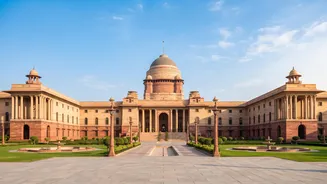
As the world's largest rice exporter, India's policies have a massive impact on both global stability and its own domestic peace. The government has historically prioritized domestic food security over export interests, often using export bans and restrictions to control internal prices. These actions, seen during the 2007-2008 crisis and again in 2022-2023, effectively insulate Indian consumers from global price shocks but can create significant turmoil for importing nations in Africa and Asia. India’s extensive Public Distribution System (PDS) and minimum support prices for farmers are powerful tools that break the simple price-conflict link seen elsewhere. By managing supply and ensuring a baseline of food security, these policies serve as a crucial stabilizing force, demonstrating that proactive government intervention is one of the clearest limits to the rule that high prices must lead to conflict.