






A Reshuffle at the Top
In a significant shift for global aviation, Seoul's Incheon International Airport handled 38.39 million international passengers in the first half of 2026. This pushed it just ahead of London's Heathrow, which processed 37.79 million, with Singapore's
Changi Airport placing third with 34.53 million. The preliminary data from Airports Council International (ACI) marks the first time Incheon has claimed the top spot since it opened in 2001. The change reflects not only Incheon's consistent growth but also wider geopolitical and travel trends that are reshaping global flight paths.
What Makes Incheon Number One?
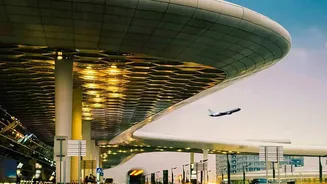
Incheon's rise to the top is a story of deliberate design, technological efficiency, and a deep focus on passenger experience. For years, it has been a fixture in the top tier of airport quality awards, praised for its cleanliness, streamlined processes, and remarkable amenities. Passengers frequently highlight the speed of customs and immigration, a stark contrast to the often-lengthy waits at other major hubs. Beyond efficiency, Incheon transforms the airport experience into a cultural event. It features a Museum of Korean Culture, live traditional music and dance performances, craft workshops, and even indoor gardens. For transit passengers, the airport offers free city tours, turning a layover into a mini-vacation. This blend of cutting-edge technology and cultural immersion has created an environment that is not just a travel point, but a destination in itself. The airport's massive expansion, completed in 2024, also increased its annual capacity to 106 million passengers, preparing it for this surge in traffic.
Shifting Tides for Heathrow and Global Hubs
While Incheon surged, Heathrow's hold on the top spot was impacted by changing travel dynamics. A key factor has been a significant diversion of transfer traffic. Geopolitical tensions in the Middle East have led some travellers, particularly those heading to and from Europe, to choose Incheon for their connections instead of traditional hubs in the region like Dubai. Incheon reported a staggering 63.2% increase in transfer passengers with final destinations in Europe. At the same time, Heathrow has been facing its own capacity constraints, with its two runways operating near their limits. This has made it difficult to accommodate significant growth, even as other airports like Istanbul are also rapidly expanding their reach and challenging Heathrow's long-held dominance in Europe.
The New Standard for Air Travel
Incheon's success underscores a fundamental evolution in what travellers expect from an airport. It's no longer just about getting from point A to B. The leading airports of today are judged on the entire passenger journey: from the ease of check-in and security to the quality of dining, shopping, and relaxation options. Airports are increasingly becoming destinations in their own right, offering amenities like spas, private sleeping rooms, and extensive cultural programming to make the travel experience more comfortable and enjoyable. The ACI's own Airport Service Quality (ASQ) awards reflect this, with categories for cleanest airport, easiest journey, and most dedicated staff becoming crucial benchmarks. Incheon's achievement is a clear signal that the future of air travel belongs to hubs that prioritize a seamless, high-quality, and culturally rich passenger experience.