
Ghent, Belgium: The Cool Alternative
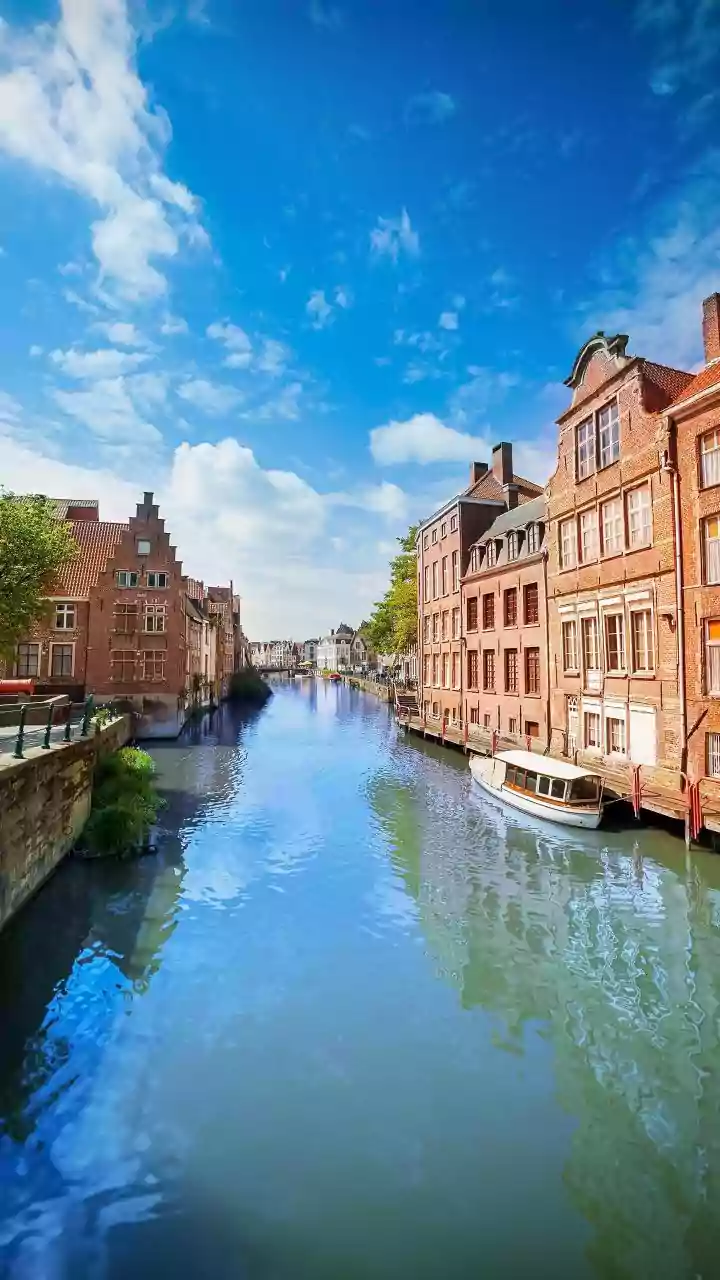
While many tourists flock to Bruges, the nearby city of Ghent offers a similar medieval charm with a more vibrant, lived-in feel. This port city, situated at the confluence of the Lys and Scheldt rivers, boasts a stunning historic center that you can
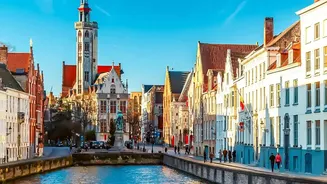
explore without constantly bumping into other travelers. The Gravensteen, a 10th-century castle with imposing walls and a surprisingly interesting torture museum, looms over the city center. The view from the top of the Belfry provides a breathtaking panorama of the city's three famous towers. Wander along the picturesque Graslei and Korenlei, historic quays lined with guildhalls that are beautifully illuminated at night. Ghent is also known for its progressive, youthful energy, thanks in part to its large student population. The city has a thriving street art scene and a reputation as the vegetarian capital of Europe, offering a dynamic alternative to more traditional tourist hubs.
Bologna, Italy: The Foodie Haven
Often overlooked in favor of Rome, Florence, and Venice, Bologna is the capital of Italy's food-rich Emilia-Romagna region and an essential destination for any serious gourmand. Known as 'La Grassa' (the fat one), Bologna is the birthplace of classics like tagliatelle al ragù and mortadella. Beyond its culinary prowess, the city features one of Europe's largest and best-preserved medieval centers. Its most distinctive feature is its nearly 40 kilometers of beautiful porticoes, or covered walkways, which were recently named a UNESCO World Heritage Site. These elegant arcades make the city exceptionally walkable in any weather. Climb the Asinelli Tower for a stunning view of the red-roofed city, or wander through the Quadrilatero, the city's ancient market, to sample local delicacies. Bologna feels more authentic and less crowded than its more famous counterparts, offering a genuine slice of Italian life.
Ljubljana, Slovenia: The Green Gem
Slovenia's capital is one of Europe's greenest and most livable cities, yet it remains wonderfully uncrowded. The Ljubljanica River winds through the heart of the city, its banks lined with cafes and markets. The entire city center is a large pedestrian zone, making it a joy to explore on foot or by bike. Presided over by a medieval castle on a hilltop, the old town is a charming mix of Baroque and Art Nouveau architecture, much of it designed by the famed local architect Jože Plečnik. Cross the iconic Triple Bridge, spot the dragons on the Dragon Bridge, and lose yourself in the vibrant Central Market. Ljubljana serves as an excellent base for exploring Slovenia's stunning natural beauty, including the famous Lake Bled, but the city itself is a destination worth savoring for its relaxed atmosphere and understated charm.
Wroclaw, Poland: The City of Dwarfs
Often overshadowed by Krakow, Wroclaw is a vibrant city in western Poland with a rich and complex history. Built on 12 islands connected by over 100 bridges, it's sometimes called the 'Venice of Poland'. The city's Market Square is one of the most beautiful in Europe, lined with colorful, ornate buildings. One of Wroclaw's most unique attractions is hunting for its hundreds of small bronze dwarf statues scattered throughout the city, each with its own story. Explore Ostrów Tumski (Cathedral Island), the oldest part of the city, where you can see a lamplighter manually light the gas lamps at dusk. With a large student population, a thriving nightlife, and a creative energy, Wroclaw offers a compelling mix of history and modernity without the overwhelming crowds of Prague or Budapest.
The Azores, Portugal: The Atlantic Paradise
For a true escape from the urban grind, consider the Azores, an autonomous region of Portugal located in the mid-Atlantic. This archipelago of nine volcanic islands is a paradise for nature lovers, often called the 'Hawaii of the Atlantic'. Unlike the bustling beaches of the Algarve, the Azores offer a dramatic landscape of emerald-green hills, stunning crater lakes, volcanic caverns, and cascading waterfalls. The largest island, São Miguel, offers a bit of everything, from the geothermal hot springs of Furnas to the bustling yet charming streets of Ponta Delgada. It’s an ideal destination for hiking, whale watching, and canyoning. While not a city break in the traditional sense, the Azores provide a refreshing, crowd-free alternative focused on raw, unspoiled natural beauty.