





The Magic of Conversation Pace
The simplest guideline for a successful social run is the 'talk test'. If you can hold a conversation in complete sentences without gasping for air, you’re likely at a conversational pace. This effort level, often called Zone 2, is the foundation of endurance
training. Running at this comfortable intensity allows your body to build a strong aerobic base, improve its ability to burn fat for fuel, and strengthen muscles and connective tissues with a lower risk of injury. It turns the run from a grueling workout into a form of active recovery and a chance to de-stress and enjoy your surroundings. Most importantly for social runs, it makes the experience genuinely fun and allows for the bonding and deep conversations that make running with a friend so special.
When Pace Becomes a Problem
The conversational pace is an excellent starting point, but it's not a one-size-fits-all solution. Every runner has a different level of fitness, meaning one person's easy pace might be another's all-out effort. When a faster runner constantly has to slow down, their workout may not feel effective. Conversely, when a slower runner is pulled along too quickly, they move out of their aerobic zone and into a much higher intensity effort. This not only makes conversation impossible but also significantly increases the risk of overtraining and injuries like shin splints or muscle strains. Over time, this mismatch can lead to frustration, resentment, or even one person avoiding runs altogether. The goal of a social run is mutual enjoyment and support, not a competition where one person is left feeling defeated or the other feels held back.
Strategies for a Perfect Match
So how can friends with different fitness levels still share the road? Communication is the first and most crucial step. Talk about your goals for the run beforehand. Is it a recovery day or a workout? Agreeing on the intention of the run prevents misunderstandings. For the run itself, there are several effective strategies. The faster runner can use the social run as their designated easy or recovery day, running at the slower friend's pace. Alternatively, you can incorporate 'out-and-back' or 'looping' methods. On a trail, the faster runner can run ahead for a set time (say, 10 minutes), then turn around and run back to meet their partner, repeating this throughout the run. This ensures the faster runner gets more distance while still regularly connecting with their friend. Another great option is to warm up and cool down together, but complete the main part of the workout separately at your own paces.
Get Creative with Your Workouts
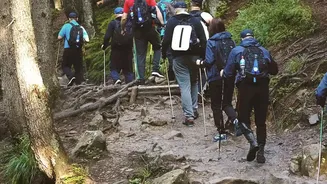
You don't always have to run side-by-side for the entire distance. Interval training can be adapted for pairs. Find a track or a short loop. The faster runner can start their interval, and the slower runner can start a short time later, with both aiming to finish around the same time before recovering together. Fartlek runs, which mix fast and slow running, are also perfect. The faster runner can speed ahead for a minute, then jog back to the slower runner, repeating the pattern. Trail running, with its natural variations in terrain and pace, can also be more forgiving for pairs with different speeds. A key rule some partners use is to let the slower runner lead on all the uphills. This allows them to set a sustainable pace on the toughest sections without feeling pressured.
It's About Connection, Not Competition
Sometimes, the best solution is to recognize that not every run has to be done together. You can plan to do your individual speed workouts separately and save your easy, recovery runs for each other. Or you can join a larger running club that supports various pace groups. This allows you both to find runners at your level while still being part of the same community experience. Remember, running friends provide accountability, support, and can make you a better runner. The point of a social run is the social part. It's about sharing miles, offering encouragement, and enjoying the journey. It's a training run, not a race. If you're the faster runner, embrace the opportunity to have an easy day and enjoy the company. If you're the slower runner, don't be afraid to speak up if the pace is too much.