





Redefining Core Strength
For years, the term 'core workout' was synonymous with chasing a visible six-pack through countless sit-ups. However, the modern Indian fitness approach, particularly among younger generations, is shifting towards a more holistic understanding of strength.
A strong core isn't just about the rectus abdominis (the six-pack muscle); it's an entire system of deep and superficial muscles that act as the body's central stabiliser. This includes the transverse abdominis, obliques, and lower back muscles, which work together to support posture, improve balance, and generate power for almost every movement you make. This renewed focus on functional fitness—training the body for everyday activities—is a key reason for the plank's rising popularity.
Why Planks Outperform Crunches
The classic crunch primarily isolates one muscle group and involves spinal flexion, which can put unnecessary strain on the lower back and neck if performed incorrectly. Planks, on the other hand, are an isometric exercise, meaning you engage muscles by holding a static position. This approach strengthens your core's ability to brace and stabilise the spine, which is crucial for preventing injuries during other exercises and daily life. Research has shown that plank exercises activate a wider network of muscles—including the glutes, shoulders, back, and legs—making them a far more efficient, full-body movement compared to crunches. This integrated muscle activation leads to better results in less time.
The Basic Plank: A Foundation to Build On
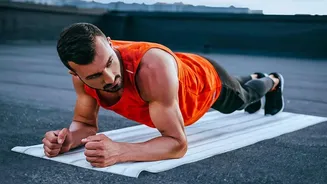
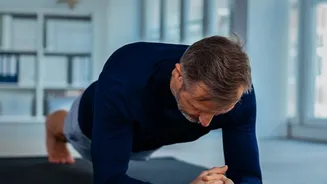
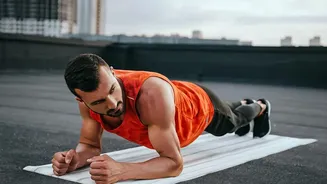
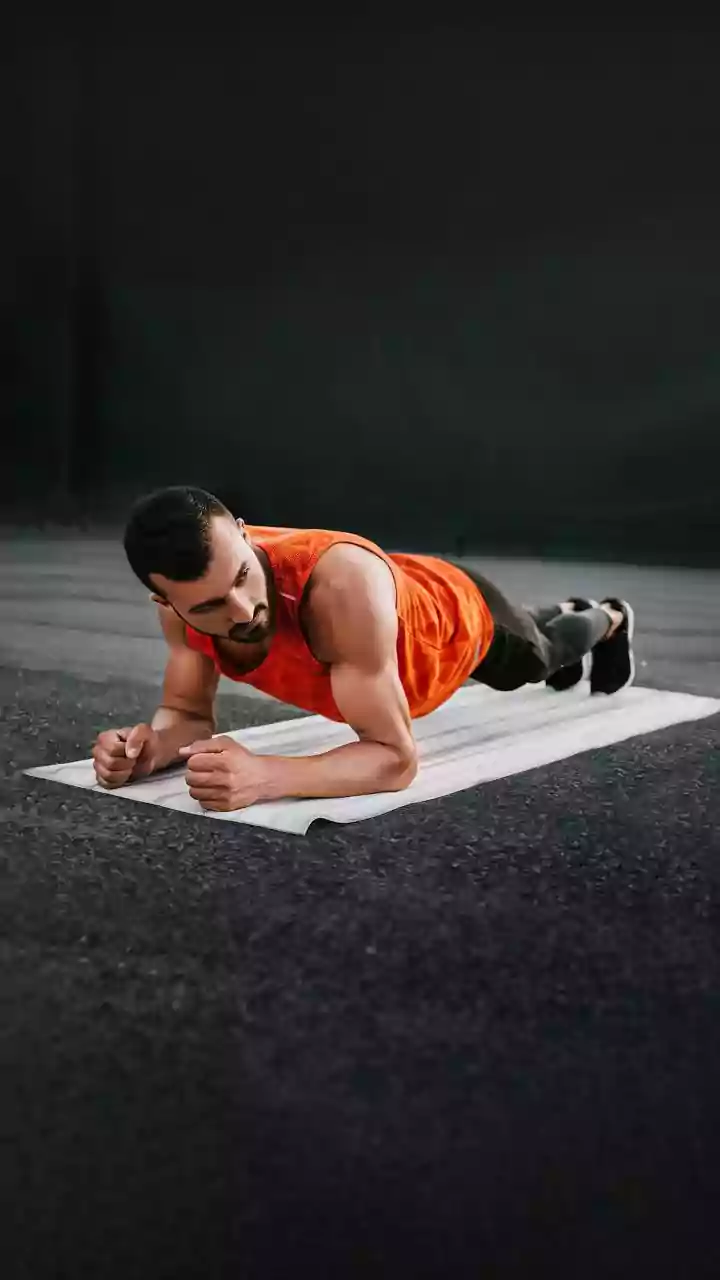
The standard plank is the starting point for this core revolution. Performed correctly, it's a powerful exercise. To get it right, ensure your body forms a straight line from your head to your heels, with elbows directly under your shoulders. Your core should be tight—imagine pulling your belly button towards your spine—and your glutes engaged. While effective, the body adapts quickly. To continue building strength and avoid plateaus, fitness experts recommend introducing variations that challenge your muscles in new ways. This is where the real magic happens for achieving total core strength.
Variation 1: The Side Plank
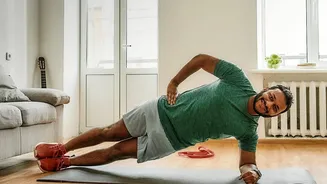
The side plank is essential for targeting the obliques, the muscles running along the sides of your abdomen that are often neglected in standard forward-facing exercises. Strengthening your obliques is key for rotational stability and preventing side-to-side imbalances. By supporting your body on one forearm and stacking your feet, you challenge your core to resist lateral bending, enhancing spinal stability and sculpting a trimmer waistline. It’s an excellent tool for correcting strength discrepancies between your right and left sides.
Variation 2: Plank with Leg Lifts
Adding movement to a static hold instantly increases the difficulty and engages more muscles. By lifting one leg at a time while holding a plank, you introduce an element of instability. Your core has to work much harder to prevent your hips from dropping or rotating. This variation intensifies the workout for your rectus abdominis and transverse abdominis while also firing up your glutes and lower back, creating a powerful connection between your upper and lower body. A study highlighted that a plank with a knee lift can increase rectus abdominis activation by 30%.
Variation 3: Commando Plank (Plank Up-Downs)
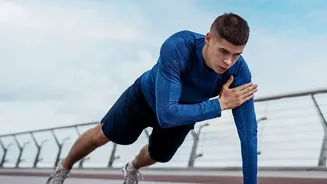
This dynamic variation adds a cardiovascular element and builds significant upper body strength. Starting in a high plank (on your hands), you lower one forearm to the ground at a time into an elbow plank, then push back up to the starting position. This movement challenges your core to remain stable while your arms are in motion, building anti-rotational strength. It’s a fantastic way to engage your shoulders, chest, and triceps while keeping your core under constant tension.
Variation 4: Reverse Plank
Often overlooked, the reverse plank is crucial for a balanced core workout because it targets the posterior chain—your lower back, glutes, and hamstrings. While traditional planks focus on the front of the body, the reverse plank strengthens the muscles that support good posture from behind. To perform it, sit on the floor with legs extended, place your hands behind you, and lift your hips until your body forms a straight line. This move helps counteract the effects of sitting for long periods and builds a stronger, more resilient back.