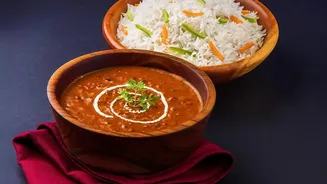





Understand the Magic of Dal and Rice
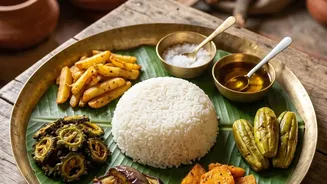
First, it's important to recognise why dal and rice are already a great team. On its own, dal is rich in an amino acid called lysine but low in methionine. Rice is the opposite. When you eat them together, they complement each other to form a 'complete
protein', providing all nine essential amino acids your body needs. This is a principle our ancestors understood long before nutrition science. The goal isn't to replace this classic pairing but to enhance it. A typical bowl of dal rice may provide around 12-16 grams of protein, but with a few additions, we can easily increase that number.
Mix Your Dals
Don't stick to just one type of dal. Creating a 'panchmel' or mixed dal is one of the easiest ways to boost protein. Different dals have slightly different amino acid profiles and protein contents. For instance, urad, moong, and masoor dal are among the highest in protein, each offering around 24 grams per 100g (raw). By combining two or more, like toor with chana or masoor with moong, you create a more complex flavour, a thicker consistency, and a higher overall protein value.
Add Paneer or Tofu
For a significant protein increase, topping your dal with paneer or tofu is a game-changer. A 100-gram serving of paneer can add roughly 18-20 grams of protein. You can crumble it directly onto hot dal or lightly sauté cubes with some cumin and add them to the bowl. Tofu is an excellent plant-based, lower-calorie alternative, providing about 17 grams of protein per 100g of the firm variety. Both are complete proteins, meaning they contain all essential amino acids on their own.
Incorporate Soy Chunks
Soy chunks, or nutri-nuggets, are an affordable and potent protein source. They are one of the few plant foods considered a complete protein. Soaking and squeezing them before adding them to your dal while it simmers can significantly increase the protein content of the meal. Their chewy texture also adds a pleasant contrast to the softness of the dal and rice. You can also cook them separately as a sabzi and serve them alongside.
Bring in Protein-Rich Vegetables
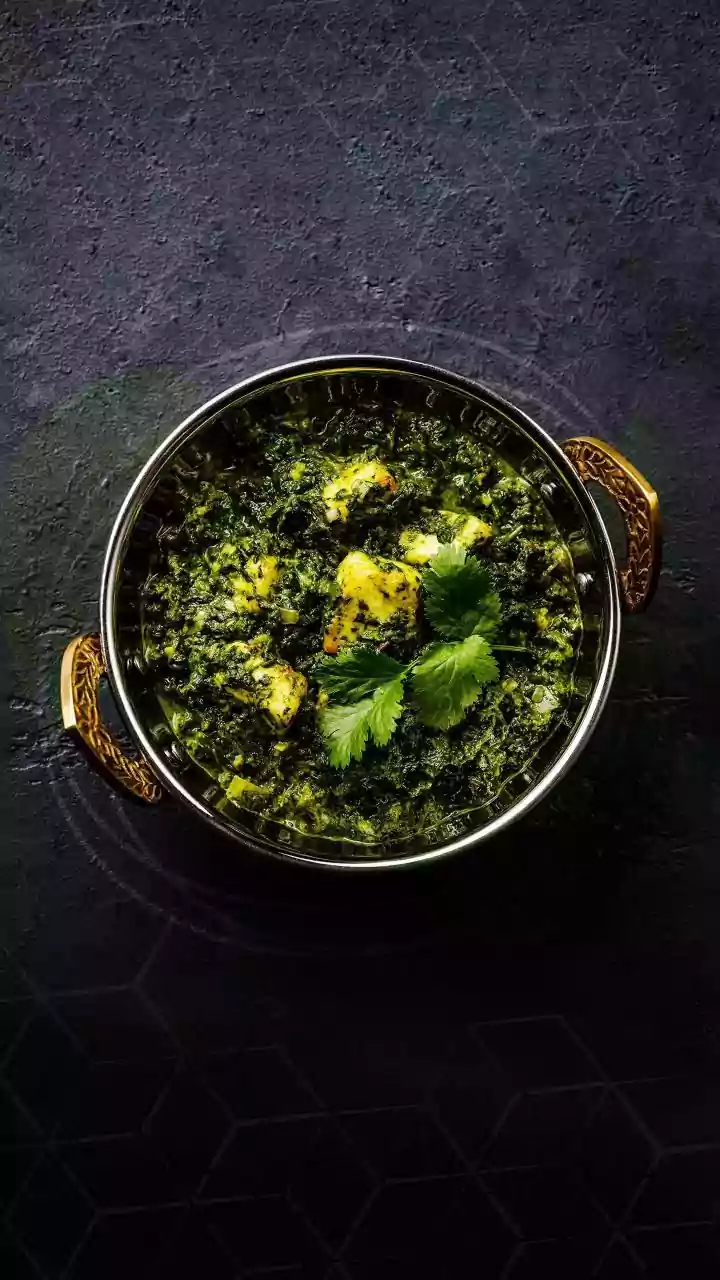
While cooking your dal or rice, don't forget to add vegetables. While most vegetables aren't protein-dense on their own, some can contribute meaningfully. Green peas, for example, can be mixed into pulao or dal to add extra protein and fibre. Spinach is another great addition to dal, creating the classic 'dal palak' that boosts both protein and iron. Adding a variety of vegetables also increases the vitamin and mineral content of your meal.
Sprinkle on Nuts and Seeds
A final flourish of nuts and seeds can add a surprising amount of protein, along with healthy fats and a satisfying crunch. Just a spoonful of roasted peanuts, sesame seeds (til), or melon seeds can make a difference. Peanuts contain about 26 grams of protein per 100g, while sesame seeds offer around 18 grams. You can also make a tadka with nuts or simply sprinkle them on top before serving for an easy, nutritious boost.
Serve With a Side of Curd
Never underestimate the power of a simple side dish. A bowl of curd (dahi) served with your dal and rice not only adds a cooling contrast but also provides high-quality dairy protein. To maximise the protein, opt for hung curd or Greek yoghurt, which are thicker and more concentrated. This simple addition can easily add several grams of complete protein to your meal, making it more balanced and satiating.