




The Challenge of Going Solo
Food festivals are a celebration of culinary diversity, from national events like Delhi's National Street Food Festival to regional highlights such as the Goa Food and Cultural Festival. However, attending alone or without a plan often leads to a few
common frustrations. You might fill up on the first two or three dishes, leaving no room to sample that intriguing dessert or the specialty dish from a much-talked-about vendor. Your wallet also takes a hit, as paying for full portions of multiple dishes adds up quickly. This can lead to a feeling of missed opportunities, where you leave feeling overstuffed with one or two things instead of satisfied by many.
Assemble Your Culinary Squad
The foundation of a great shared-tasting plan is your team. This isn't just about gathering friends; it's about choosing the right ones. Your ideal festival companions are adventurous eaters, open to trying new things and happy to share. A group of three to five people is often perfect—small enough to stay organised but large enough to sample a wide variety of dishes. Before you go, have a quick chat about food preferences, dietary restrictions, and budget. This ensures everyone is on the same page and avoids awkwardness on the day. The goal is teamwork and a shared passion for food.
The Pre-Festival Game Plan
A little preparation goes a long way. Most festivals publish a list of vendors and sometimes even menus online ahead of time. Sit down with your squad and make a 'must-try' list. Assign one or two dishes to each person. This 'divide and conquer' strategy ensures you cover more ground without everyone having to stand in the same long queues. One person can grab the famous kebabs while another picks up the biryani and a third secures the dessert. It's an efficient way to minimise waiting time and maximise tasting time. Also, decide on a central meeting point where you can regroup to share your culinary finds.
Mastering On-Site Logistics
Once at the festival, put your plan into action. To make sharing easier, consider bringing a small bag with essentials: a few reusable plates, cutlery, and plenty of tissues or wet wipes. This is more sustainable than relying on single-use items from each vendor and makes dividing portions much simpler. When you regroup, each person can present their dish. Instead of everyone digging into one container, portion out a small sample for each person onto their own plate. This method is more hygienic and allows everyone to taste the food at their own pace without feeling rushed.
The Many Rewards of Sharing
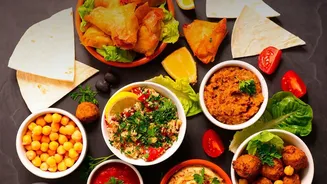
The most obvious benefit of this strategy is variety. Instead of eating two or three full dishes, you might get to taste eight, ten, or even more. This transforms the festival from a simple meal out into a true tasting experience. Financially, it’s a huge win. Splitting the cost of numerous dishes makes the event far more affordable. But the rewards go beyond just food and money. The act of planning, sharing, and discussing the food deepens social bonds. It becomes a collaborative adventure, creating shared memories and conversations that last long after the festival is over. You're not just eating; you're creating an experience together.