
Choosing Your Alpine Paradise
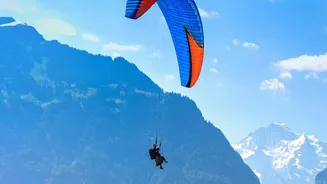
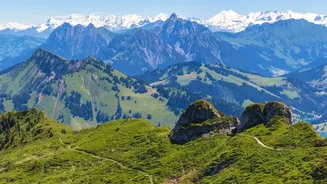
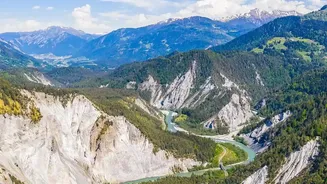
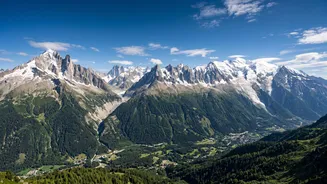
The Alps stretch across several countries, each offering world-class paragliding. Your choice depends on the scenery you crave. In Switzerland, Interlaken is iconic, offering incredible views of the Eiger, Mönch, and Jungfrau peaks, plus two shimmering
lakes. The area around Lucerne is another fantastic option, with flights over its famous lake. In France, Chamonix provides dramatic, high-mountain scenery at the foot of Mont Blanc, while Annecy is famous for its stunning turquoise lake. Austria's Zillertal and Zell am See offer lush valleys and classic Alpine vistas. Nearly every major resort area has tandem operators, so you can often integrate a flight into your existing travel plans.
Finding a Reputable Operator
Safety is paramount, and the single most important decision you'll make is choosing your paragliding company. Look for operators whose pilots are licensed by a national association, such as the Swiss Hang Gliding & Paragliding Association (SHV) or the French Federation of Free Flight (FFVL). These certifications ensure pilots have undergone rigorous training. Check online reviews from multiple sources and see how long the company has been operating. Reputable schools are quick to cancel or postpone flights if weather conditions are not ideal. Don't be afraid to ask about their safety record and the experience level of their tandem pilots. A professional outfit will be happy to answer all your questions.
Understanding the Costs
The price of a tandem flight varies by location, flight duration, and altitude. Expect to pay between €95 and €165 in France and Austria, while Switzerland is generally more expensive, with standard flights costing between 180 and 250 Swiss Francs. A standard flight typically lasts 15 to 30 minutes in the air. This price almost always includes the pilot, all necessary safety equipment (harness, helmet), and often transport from the company's office to the launch site. Many operators offer longer 'thermal flights', which use rising air currents to extend the time in the air, for an additional cost. Photo and video packages are a popular add-on, usually costing an extra €30 to €40.
The Best Time to Fly
While paragliding is a year-round activity in many parts of the Alps, the main season runs from late spring to early autumn (roughly April to October). Summer months like June, July, and August offer the warmest temperatures and the strongest thermal activity, which can mean longer flights. However, spring and autumn provide beautiful scenery with blooming flowers or fall colors, often with clearer air and fewer crowds. Ultimately, all flights are weather-dependent. Wind and visibility are critical, so it’s wise to book your flight for the beginning of your trip, leaving buffer days in case it needs to be rescheduled.
How to Prepare for Your Flight
Dressing appropriately is key to comfort. Even on a warm summer day, it will be significantly cooler at altitude. The best approach is to dress in layers. Long trousers and a long-sleeved shirt or fleece are recommended. Most operators suggest a windproof jacket. Sturdy, closed-toe footwear like hiking boots or trainers is essential for the short run during takeoff and for the landing. Sandals are not suitable. Sunglasses are also highly recommended to protect your eyes from wind and sun. You generally don't need any prior experience or a high level of fitness; if you can jog for a few steps, you can fly.
On the Day: From Launch to Landing
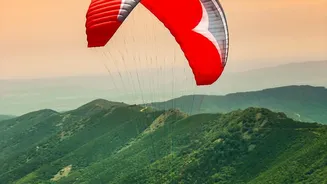
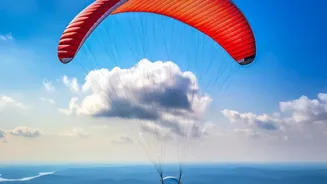
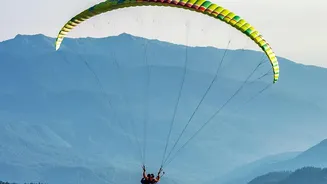
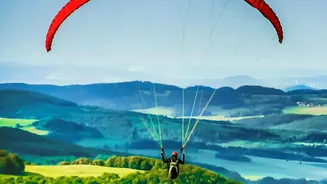
Your adventure begins when you meet your pilot, who will provide a safety briefing. From there, you'll typically take a cable car or van up to the mountain launch site. Once at the top, your pilot will lay out the wing and secure you into a comfortable harness in front of them. For takeoff, you'll be asked to run forward a few steps down a gentle slope. You don't jump off a cliff; the wing simply catches the air and gently lifts you off the ground. The flight itself is surprisingly serene. You'll be in a seated position, free to take in the panoramic views. Many pilots will offer to perform some gentle acrobatic spirals for a bit of extra thrill at the end. The landing is usually a soft, controlled glide onto a large, open field where you'll be instructed to stand or continue jogging a few steps.