




Decoding the Headline Number
The 7.8% figure represents India's real GDP growth for the first quarter of the 2026-27 financial year, which covers April to June 2026. This number, released by the Ministry of Statistics and Programme Implementation (MoSPI), didn't just meet expectations;
it surpassed them. The Reserve Bank of India (RBI) and most market analysts had projected a slower pace. This strong performance has led institutions like the International Monetary Fund (IMF) to label India a "key growth engine for the world," highlighting its crucial role in a global economy grappling with uncertainty. The growth indicates that the economic output during this period was significantly higher than in the same quarter of the previous year, pointing to a vibrant and expanding economy.
The Global Energy Squeeze
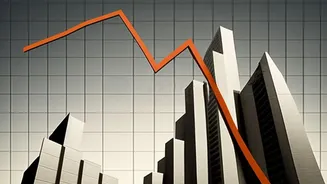
The term "energy price shocks" refers to significant volatility in global energy markets, largely triggered by geopolitical conflicts in the Middle East. These tensions have disrupted crucial shipping routes like the Strait of Hormuz, a key artery for oil shipments. For a country like India, which imports nearly 90% of its crude oil, such disruptions are a major threat. In recent months, Brent crude prices have hovered above $90 per barrel, and prices for refined products like diesel have surged to record levels in some parts of the world. Typically, this would translate into higher inflation, increased costs for businesses, and a drag on economic growth. India's ability to grow despite this headwind is what makes the current situation remarkable.
The Engines of India's Growth
So, what is powering the economy forward? The growth isn't accidental; it's broad-based and driven by several key sectors. Strong domestic consumption has been a primary pillar, with Indian consumers continuing to spend, particularly in urban areas. This has been complemented by robust government capital expenditure, as investments in infrastructure create jobs and stimulate further economic activity. The services sector delivered a stronger-than-expected performance, while the manufacturing industry also maintained a solid run, growing at over 9% during the quarter. This combination of resilient private demand and strategic public investment has created a powerful buffer against external shocks. However, the growth wasn't uniform; the agricultural sector saw a slowdown and mining contracted.
Policy and Prudence
Strategic policy decisions have played a crucial role in navigating the turbulence. The Reserve Bank of India has adopted a cautious stance, keeping its key interest rate (the repo rate) stable at 5.25% in its recent policy meetings. This move aims to balance the need to control inflation without stifling growth, a delicate act amid rising energy costs. The RBI has acknowledged the economy's resilience but remains watchful of global risks. On the fiscal front, the government's sustained push on infrastructure, coupled with reforms aimed at improving the business environment and securing new free trade agreements, is helping to build a more robust and diversified economic foundation. These measures are designed to strengthen the economy's structural drivers for the long term.
The Road Ahead: Cautious Optimism
While the 7.8% growth figure is cause for celebration, economists remain cautiously optimistic. The primary risk on the horizon continues to be persistently high energy prices and the geopolitical instability causing them. A prolonged period of expensive energy could still pressure India's import bills, widen the current account deficit, and eventually feed into domestic inflation. Furthermore, potential weather disruptions from El Niño could impact the agricultural sector and food prices. Full-year growth forecasts from the RBI and other agencies, while strong, are slightly more moderate than the first quarter's blockbuster number, settling in the 6.7% to 6.9% range. The challenge will be to sustain this momentum as global conditions continue to evolve.