





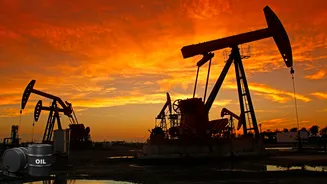
The world's top energy watchdog is sounding the alarm. Fatih Birol, head of the International Energy Agency (IEA), warns the global energy crisis is far from over. This isn't just a fleeting price spike; it's a problem rooted in the slow, troubled recovery
of the global oil market.
The Sobering Warning
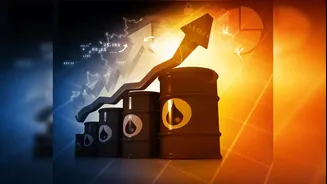
In recent statements, IEA chief Fatih Birol has been unequivocal: do not expect a return to pre-crisis energy market conditions in 2027. Speaking at Singapore International Energy Week, Birol stated he sees no 'credible pathway' for markets to normalize next year, urging governments and businesses to prioritize energy security. This persistent crisis, he notes, is characterized by crude oil prices hovering near $120 a barrel, a level that is inflicting significant economic pain and trade deficits on many developing nations, particularly in Asia. The IEA’s warning suggests that the high fuel and energy costs pressuring household budgets and corporate bottom lines are not a temporary blip, but a feature of the medium-term economic landscape.
A Recovery Delayed is a Recovery Denied
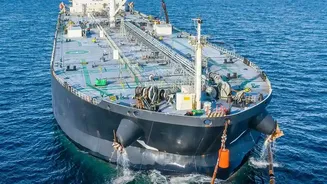
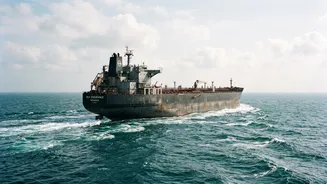
At the heart of the IEA's pessimism is the stalled recovery of the global oil market. A healthy recovery would involve a steady return of supply to meet global demand, stabilizing prices. Instead, the market is facing significant headwinds. According to the IEA's own reports, global oil supply is now projected to fall by 5.7 million barrels per day (bpd) in 2026. The expected rebound in production, particularly from key Middle Eastern producers, has been deferred until 2027. Geopolitical instability, including conflicts in the Middle East and attacks on shipping routes, has kept more than 10 million bpd of Gulf production shut in, severely constraining supply and making the entire system fragile. This has created a situation where, despite lower demand forecasts, market balances are expected to remain in a deficit through the end of the year.
The Investment Gap
The supply problem is not just about current disruptions; it's about future production. The IEA has pointed to a critical gap in investment. While overall energy investment is set to hit a record $3.4 trillion in 2026, the allocation is skewed. An estimated $2.2 trillion is flowing into clean energy, while investment in fossil fuels, particularly oil, remains subdued. The IEA's 2026 World Energy Investment report notes that oil investment is expected to fall for a third consecutive year. Companies are prioritizing operational efficiency and shareholder returns over committing capital to long-cycle oil projects, especially amid uncertainty about future demand and investor pressure to decarbonize. This reluctance to invest today means less supply will be available tomorrow, baking in the potential for future price volatility and prolonging the crisis.
The Diesel Dilemma and Its Ripple Effects
While crude oil prices grab headlines, Birol has stressed the importance of looking at refined products, like diesel, which have seen even sharper price increases. The crunch in diesel and gasoil markets is particularly severe, with the IEA noting these markets could remain tight until mid-2027. This is due to a combination of refinery maintenance and major export disruptions from the Middle East and Russia, which have slashed global availability. Record-high diesel prices have broad economic consequences, raising costs for transportation, manufacturing, and agriculture. This directly fuels inflation, reduces the purchasing power of households, and puts a damper on overall economic activity, a phenomenon acutely felt by oilndimporting nations like India.
The Implications for India
For India, a major importer of crude oil, the IEA's warnings are a significant economic red flag. A prolonged period of high oil prices, especially near the $120 per barrel mark, directly impacts the nation's trade deficit and puts pressure on the rupee. Higher energy costs ripple through the economy, driving up inflation as transportation and manufacturing costs rise. This reduces disposable income for consumers and tightens margins for businesses, potentially slowing economic growth. The government faces the difficult balancing act of managing fuel subsidies to protect consumers while also dealing with a strained fiscal situation. Birol's message is a clear signal that energy security must remain a top priority, forcing a strategic reconsideration of supply sources, domestic production, and the pace of transition to alternative energy to mitigate the impacts of this extended global crisis.