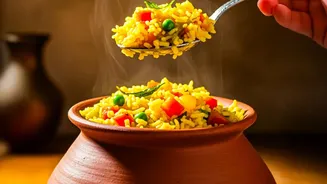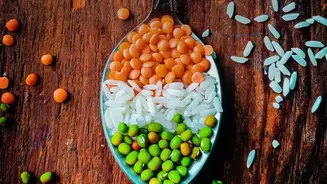



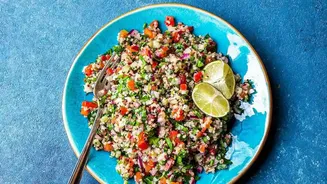
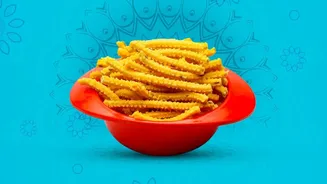
In an age of imported superfoods and fleeting diet trends, a quiet revolution is taking place in Indian kitchens. It’s a return to our roots, rediscovering the immense power of heritage grains that have nourished generations.
The Rise of the 'Exotic' Superfood
Walk down any modern supermarket
aisle, and you're likely to be greeted by beautifully packaged quinoa from Peru, chia seeds from Mexico, and kale from, well, everywhere. These foods have been branded as the pinnacle of healthy eating, championed by global wellness influencers and embraced by urban Indian consumers. The appeal is understandable; they promise a cocktail of nutrients and a connection to a global health-conscious community. However, this fascination with the new and exotic often comes at a cost, overshadowing a treasure trove of nutritional powerhouses that lie in our own backyard. This focus on imported trends not only inflates grocery bills but also ignores the carbon footprint of flying these foods across continents, creating a food culture that is often disconnected from our own land.
India's Forgotten Food Basket
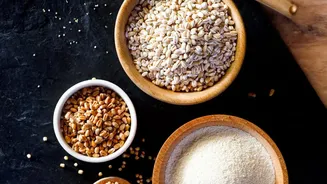
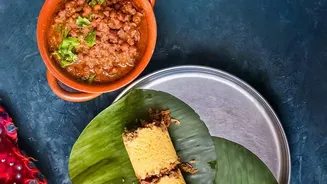
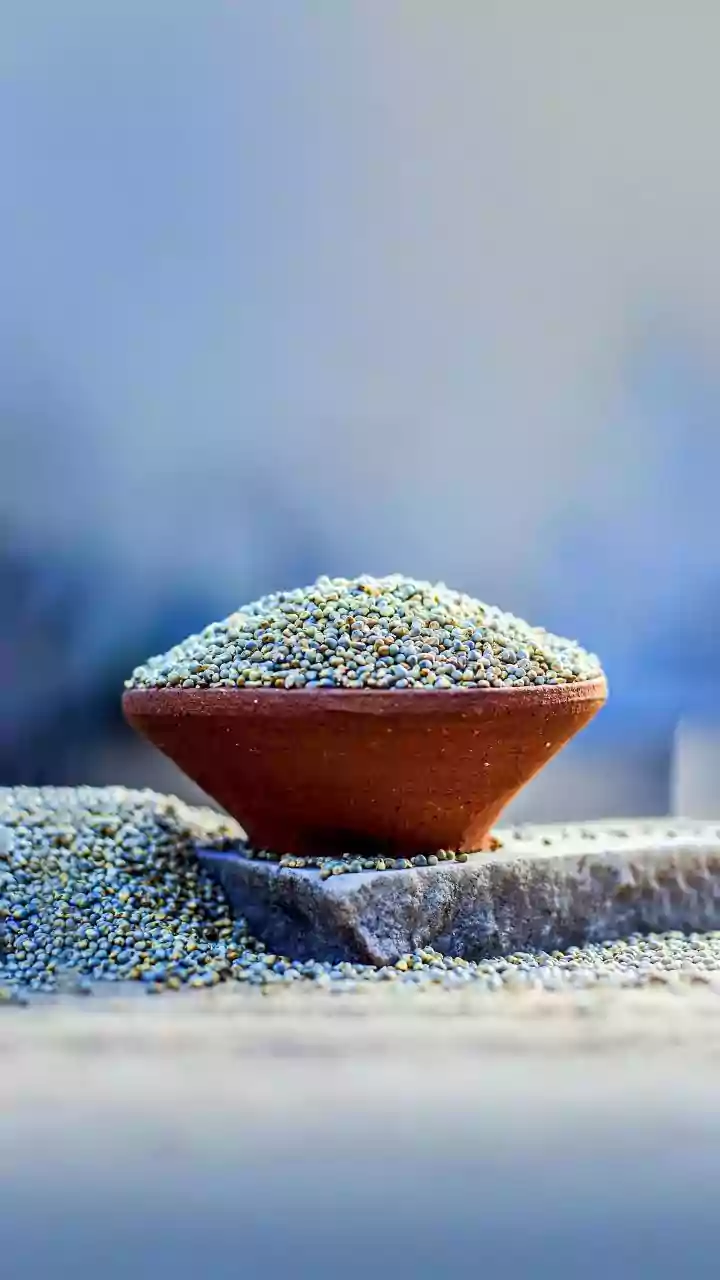
Long before wheat and polished rice dominated our plates, India's dietary landscape was incredibly diverse. It was a tapestry woven with dozens of indigenous grains, primarily millets. Jowar (sorghum), bajra (pearl millet), and ragi (finger millet) were not niche health foods; they were staples. These grains were the backbone of regional cuisines, perfectly adapted to their local climates. From jowar bhakri in Maharashtra and bajra roti in Rajasthan to ragi mudde in Karnataka, these grains were deeply integrated into the culture and economy of rural life. They were what generations relied on for strength and sustenance, long before the Green Revolution shifted agricultural focus heavily towards high-yield rice and wheat, pushing millets to the sidelines where they were often dismissed as 'poor man's food'.
Nutrition That Nature Intended
The renewed interest in these heritage grains is not just about nostalgia; it’s backed by science. Millets are nutritional giants. Compared to refined wheat and rice, they are packed with more protein, fibre, and essential minerals. Ragi, for instance, is a calcium powerhouse, containing many times more calcium than rice or wheat, making it excellent for bone health. Bajra is rich in iron and magnesium, while jowar is a great source of protein and fibre. Most millets are also naturally gluten-free and have a low glycemic index, which means they release sugar into the bloodstream slowly, making them ideal for managing diabetes and weight. Choosing these grains is choosing a diet that is dense in nutrients, not just empty calories.
Good for You, Better for the Planet
The argument for heritage grains extends far beyond personal health. In an era of climate change and water scarcity, millets are what experts call 'climate-smart crops'. They are incredibly resilient, capable of thriving in arid conditions with minimal water—sometimes using up to 70% less water than rice. They don't demand expensive chemical fertilizers or pesticides, which reduces the cost for farmers and prevents soil degradation. By promoting and consuming these grains, we are not just making a healthier choice for our bodies; we are supporting a more sustainable agricultural system that conserves water, improves soil health, and strengthens the economic security of small-scale Indian farmers who have preserved these seed varieties for generations.
A Modern Culinary Revival
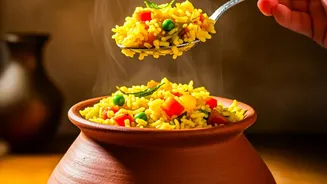
Thankfully, the tide is turning. Spurred by government initiatives like the 'International Year of Millets', a growing number of chefs, home cooks, and food entrepreneurs are championing their return. Visionary chefs are reintroducing millets in innovative forms on fine-dining menus, from millet risottos to ragi-based desserts. Startups are creating convenient, modern products like millet pasta, breakfast cereals, and multi-grain flours, making it easier than ever to incorporate them into a busy lifestyle. This movement is demonstrating that traditional grains are not relics of the past but versatile, delicious, and incredibly relevant ingredients for the modern Indian kitchen. They empower us to cook meals that are both innovative and deeply connected to our heritage.