



The Shifting Supermarket Aisle
The simple act of grocery shopping has become a strategic exercise for many Indian households. Persistent food inflation means that the prices of everyday essentials like vegetables, pulses, and cooking oils can be unpredictable. Recent data shows food inflation hovering
above 5% year-on-year, creating a tangible impact on household budgets. This volatility makes it difficult to follow a recipe's ingredient list precisely without facing a surprisingly high bill at checkout. That exotic vegetable or specific brand of cheese called for in a viral recipe might have doubled in price, throwing your entire meal budget off course.
Embrace the Art of the Swap
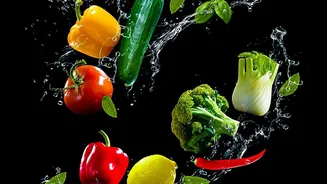
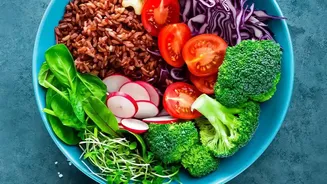
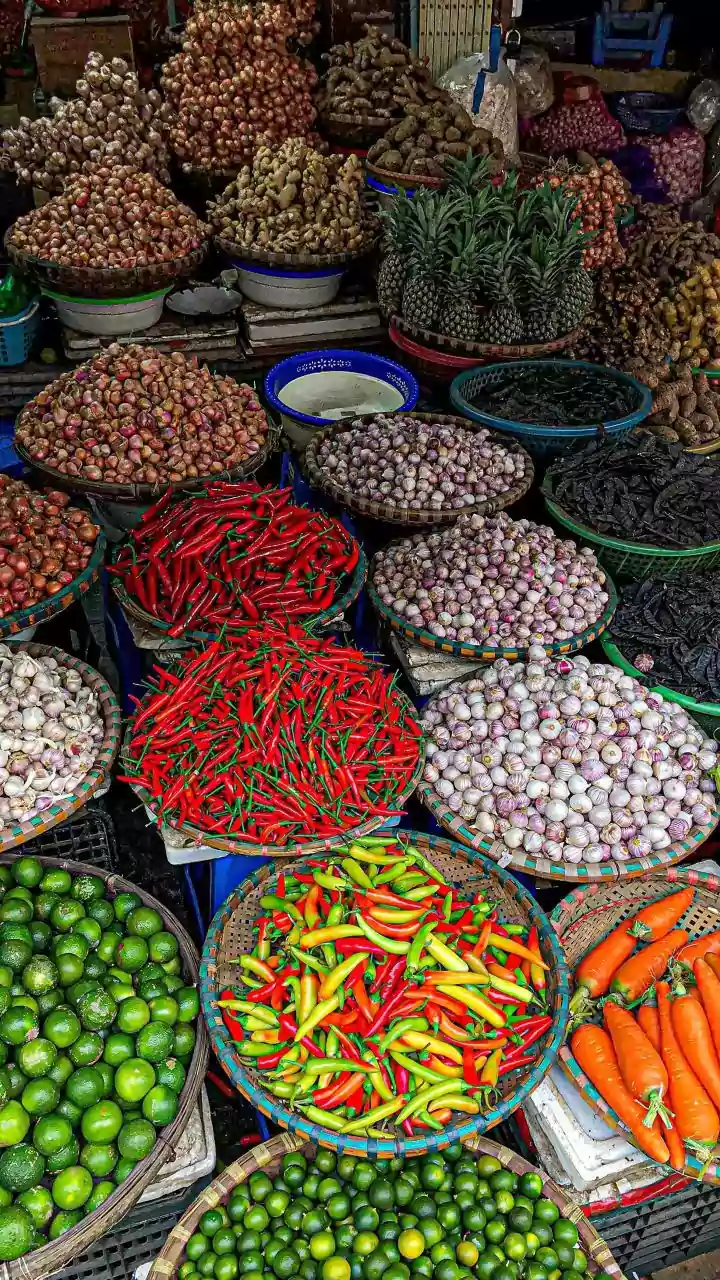
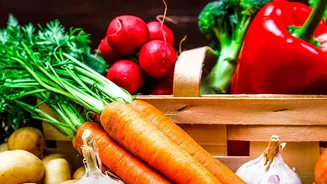
The key to overcoming this challenge is to move from being a recipe follower to a recipe adapter. The best chefs know that a recipe is a guideline, not a strict rule. The most powerful tool in your kitchen is the ability to make smart substitutions. Instead of sticking to expensive, out-of-season vegetables, opt for what is fresh and local. Seasonal produce is almost always cheaper, fresher, and more nutritious. If a recipe calls for broccoli but cauliflower is half the price, make the switch. If it demands red bell peppers but local carrots are abundant, use them for a similar sweet crunch. This mindset not only saves money but also encourages creativity.
Rethink Your Proteins and Pulses
Protein is often one of the most expensive components of a meal. While a recipe might specify a certain cut of chicken or type of fish, there are usually more affordable alternatives that work just as well. Consider using paneer, tofu, eggs, or a variety of dals and chickpeas. Pulses are a cornerstone of Indian cuisine for a reason: they are nutritious, versatile, and budget-friendly. Don't be afraid to substitute one type of dal for another based on what you have or what's on sale. A weaker-than-normal monsoon can affect pulse production and prices, making it even more important to be flexible with your choices. Cooking a dal makhani? You can achieve a similar creamy texture with other whole lentils if urad is expensive.
Master Your Pantry and Freezer
A well-stocked pantry is your best defence against impulse buys and expensive last-minute shopping trips. Buy staples like rice, flour, and lentils in bulk when they are on offer, as this is often cheaper than buying small packages frequently. Take stock of what you already have before you go shopping. That forgotten can of chickpeas or half-used packet of spices can form the base of an excellent meal, saving you from buying more. Similarly, use your freezer to its full potential. Cook larger batches of curries or gravies and freeze portions for later. This saves time and prevents food waste, which is another form of saving money.
Technique Over Fancy Ingredients
Ultimately, a delicious meal relies more on good cooking technique than on expensive, hard-to-find ingredients. Learning how to properly temper spices (tadka), caramelise onions, or roast vegetables can elevate the simplest of ingredients into something spectacular. A basic dish of potatoes and onions can become a feast with the right blend of spices and a perfectly executed cooking method. Rather than spending money on imported herbs or gourmet sauces, invest time in mastering the fundamentals of Indian cooking. This skill will serve you far better in the long run, allowing you to create flavourful and satisfying meals regardless of what your budget allows.