



Why Humidity is Cast Iron’s Worst Enemy
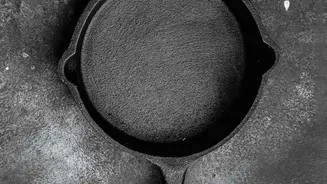
Cast iron is made of iron and carbon, and when it's exposed to both moisture and oxygen, it oxidizes, creating rust. During the Indian monsoon or in coastal regions, the air is heavy with moisture. This high humidity means that even a pan that looks dry
can have microscopic water molecules settling on its surface, triggering the rusting process. Unlike cookware with synthetic coatings, cast iron relies on a 'seasoning' — a layer of baked-on oil — for its protection and non-stick properties. If this seasoning is weak or if the pan isn't perfectly dry, those tell-tale orange spots can appear overnight.
The Golden Rule: Never Air-Dry
The single most important step to prevent rust is thorough drying. Simply wiping your pan with a cloth after washing is not enough, especially in damp weather. To eliminate all residual moisture, place the clean pan on the stove over low heat for a few minutes. You’ll know it’s completely dry when it's warm to the touch and no more steam is visible. This simple action evaporates water trapped in the porous surface of the iron, which is the primary cause of unexpected rusting. Avoid soaking your cast iron in the sink at all costs, as prolonged water exposure is a direct invitation for rust.
Maintain the Protective Oil Barrier
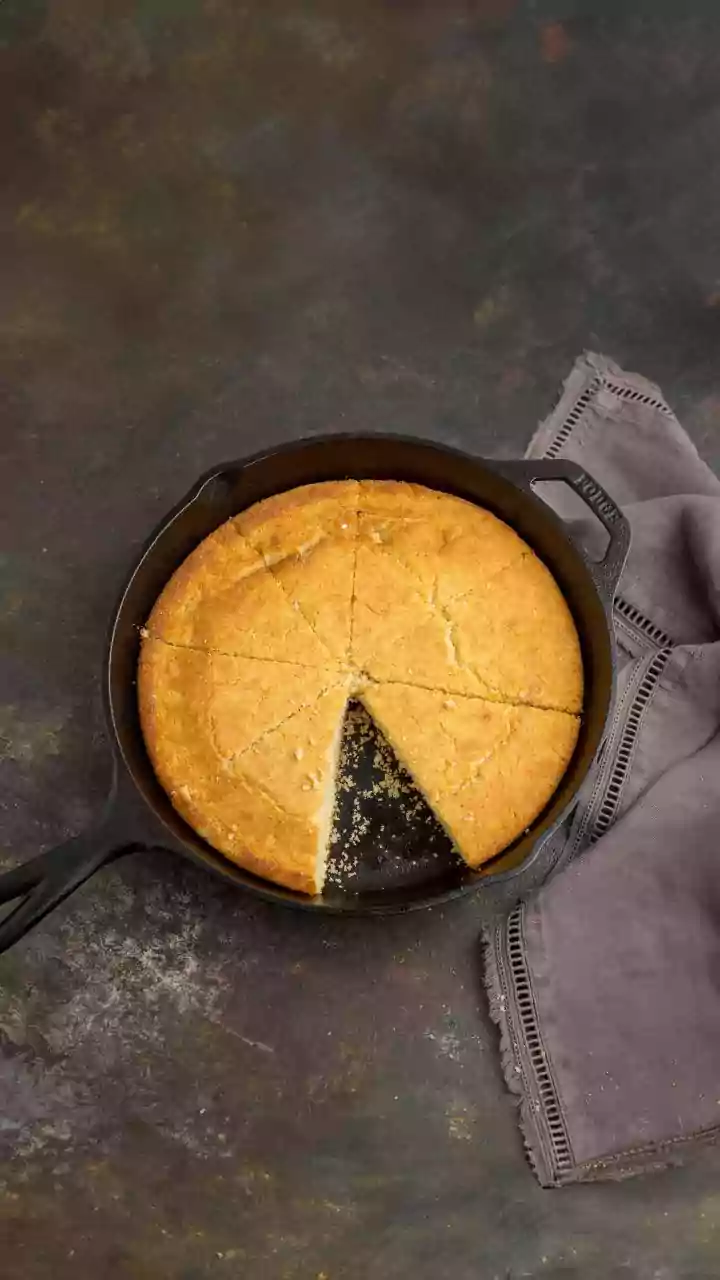
Once your pan is bone dry, the next step is to apply a very thin layer of cooking oil. This isn't about making it greasy; it's about creating a protective shield that blocks airborne moisture. Use a paper towel or a soft cloth to rub a few drops of oil all over the cooking surface. Any common cooking oil with a high smoke point works well, including vegetable oil, canola oil, or even ghee. Wipe away any excess until the pan has a subtle sheen but doesn't feel sticky. This light coating reinforces the seasoning and keeps the iron protected while it’s stored.
Smart Storage for Humid Conditions
How you store your cast iron is just as crucial as how you clean it. Tucking it away in a closed, damp cabinet can trap humidity and undo all your careful drying. The ideal storage spot is a cool, dry, and well-ventilated area. If you must stack your pans, place a layer of paper towel between each one. This not only prevents scratches on the seasoning but also absorbs any ambient moisture that might collect. For long-term storage or in extremely humid conditions, avoid sealing the pan with its lid on; instead, leave it slightly ajar to allow air to circulate. You can also place a paper towel inside before putting the lid on to absorb humidity.
What to Do If Rust Appears
Don't panic if you see a few orange spots. Cast iron is incredibly forgiving, and rust is almost always fixable. For minor rust, a gentle scrub with steel wool is often enough to remove it. For more stubborn rust, you can create a paste of baking soda and water, scrub the affected area, and then rinse thoroughly. Another method involves using a bit of white vinegar, but be careful not to soak the pan for too long as the acid can damage the iron. After removing the rust, it's essential to wash, dry the pan completely on the stove, and apply a fresh layer of seasoning oil to restore its protective coating.