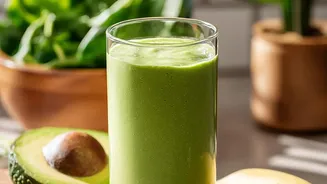








The Foundation: More Than Just Fruit
A satisfying meal replacement needs to provide balanced nutrition, including protein, healthy fats, complex carbohydrates, and fibre. A smoothie that relies only on fruit and a liquid base like water or juice can cause a spike in blood sugar, followed
by a crash that leaves you feeling tired and hungry shortly after. The goal is to create a drink that digests slowly, providing sustained energy for several hours. This means moving beyond a simple fruit blend and strategically adding components that turn your drink into a complete, nourishing meal.
Power Up with Protein
Protein is arguably the most crucial element for satiety, helping you feel full and satisfied. It also supports muscle maintenance and repair. Aim for at least 15-20 grams of protein per serving. Excellent sources that blend well include plain Greek yogurt, which can offer 15-20 grams per cup, or cottage cheese. For plant-based options, consider a scoop of good-quality protein powder (like whey, soy, or pea), silken tofu for a creamy and tasteless boost, or soy milk as your liquid base.
Incorporate Healthy Fats for Fullness
Healthy fats are essential for absorbing nutrients, producing hormones, and providing sustained energy. They also significantly contribute to that feeling of fullness, making your smoothie feel more like a substantial meal. Just one or two tablespoons of a healthy fat source is enough. Great options include half an avocado for creaminess, a spoonful of nut butter like almond or peanut butter, or seeds like chia, flax, and hemp. These ingredients not only add healthy fats but also contribute to a richer texture.
Fibre Is Your Friend
Fibre is key for digestive health and, like protein and fat, helps slow down digestion to prevent blood sugar spikes and keep you feeling full for longer. While fruits and vegetables contain fibre, you may need to add a concentrated source to reach a target of 8-10 grams. Rolled oats are a fantastic addition; a half-cup provides about 4 grams of fibre and helps thicken the smoothie. Chia seeds and ground flaxseed are fibre powerhouses, with a tablespoon or two adding a significant boost. Don't forget leafy greens like spinach or kale; a large handful adds nutrients and fibre without altering the taste much.
Build a Better Base and Add-Ins
The liquid you use sets the stage for your smoothie's nutritional profile. Instead of fruit juice, which adds a lot of sugar, opt for water, unsweetened almond milk, soy milk, or regular milk. When it comes to fruits, berries like raspberries and blackberries are excellent choices as they are high in fibre and lower in sugar. You can also add vegetables like frozen cauliflower rice, zucchini, or even white beans for a neutral-tasting nutrient and protein boost. By focusing on this balanced formula — protein, fat, and fibre — you can transform a simple fruit smoothie into a delicious and genuinely satisfying meal.