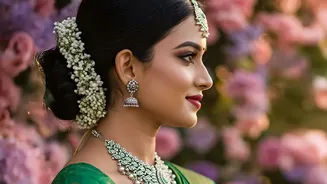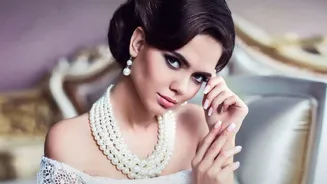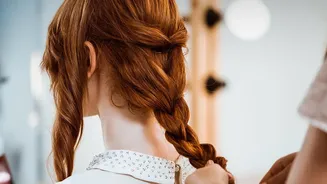


There is a unique pain reserved for special occasions: a stunning hairstyle that starts to pull, pinch, or throb halfway through the event. True elegance is comfort, and your romantic updo should last through every photo and dance without a headache.
The Foundation of a Comfortable Updo
Before choosing a style, the secret to a painless updo lies in the preparation. Hairstyles hold best on hair that isn't freshly washed, so aim to shampoo the day before your event. This gives your hair some natural grip, making it less slippery and easier to style without pulling it tight. When you begin styling, avoid slicking your hair back with excessive tension. A common mistake is creating a ponytail base that is already too tight, which guarantees discomfort later. Instead, work with the hair's natural texture and volume, using products like a light texturizing spray or mousse to create hold and body, rather than relying on pure force to keep it in place.
The Soft Low Chignon
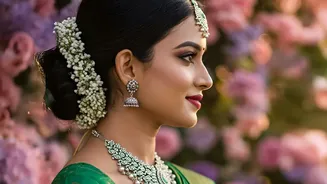
The chignon, a classic bun that traditionally sits at the nape of the neck, is an icon of romantic hairstyling. Its low placement is the key to its comfort, as it avoids putting strain on the sensitive crown of your head. To ensure it remains comfortable, ask your stylist for a 'soft' or 'loose' chignon rather than a severely slicked one. The style should be secured by twisting or coiling the hair and pinning it without creating tension at the roots. For those with fine hair, a bit of texture spray before pinning can help it hold without needing extra tightness. If your hair is thick, creating two separate small ponytails and wrapping them together can distribute the weight more evenly and prevent the bun from feeling heavy.
The Effortless Textured Bun
A messy bun can be just as romantic as a structured one, offering an effortless charm that feels modern and relaxed. The key is 'planned messiness'. This style works well because it doesn't rely on a perfectly smooth, tight foundation. You can gather your hair at your preferred height—low at the nape, in the middle, or higher up—depending on where you feel the least pulling. To get the look without the headache, create a loose ponytail and, on the final loop through the elastic, only pull the hair partway through to form a looped bun. You can then wrap the remaining ends around the base and secure them with bobby pins. Using a coiled plastic hair tie can also provide durable hold for thick hair without needing to be wrapped too tightly.
The Whimsical Braided Crown
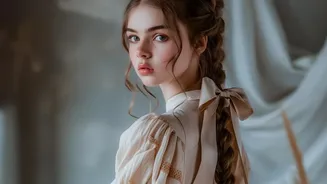
A braided crown or a halo braid is the epitome of romance, but it can quickly become uncomfortable if not done correctly. The secret is to distribute the braid's weight and tension evenly across your head. Instead of one tight, severe braid, opt for a softer, looser plait. Some stylists even recommend creating two separate braids and pinning them over the top to avoid a single point of tension. Using knotless braiding techniques, where the braid starts with your natural hair before adding extensions, can also significantly reduce scalp stress. Gently 'pancaking' or pulling apart the sections of the braid can make it look fuller and feel looser, relieving any tightness while adding to the romantic, undone aesthetic.
Smart Pinning for Secure, Painless Hold
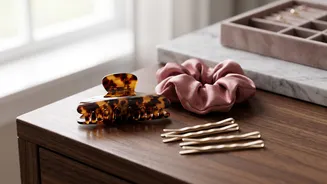
How your hairstyle is secured is just as important as the style itself. Overloading with the wrong pins or placing them incorrectly is a primary cause of updo-induced headaches. The trick is to use bobby pins to create 'locks'. By crisscrossing two pins to form an 'X', you create a much stronger anchor than using several pins side-by-side. When pinning a bun or twist, try to catch hair from the base of the style and anchor it to the scalp hair underneath. This holds the style close to your head without pulling on the exterior sections. If a particular pin is poking or pulling, don't ignore it. Take it out and reposition it. Your scalp will thank you after a few hours on the dance floor.