





The Expressway At A Glance
Spanning 701 kilometres, this six-lane access-controlled expressway connects Mumbai, the state's capital, with Nagpur, its third-largest city. The project, a marvel of modern engineering, cuts through 10 districts and nearly 400 villages, designed not
just to move people faster but to unlock the economic and cultural potential of entire regions. With a design speed of 120 kmph, the journey between the two major cities has been drastically reduced from over 16 hours to approximately eight. This transformation is not just about convenience; it is about creating a corridor of prosperity and accessibility.
A New Circuit for the Faithful
For decades, pilgrimage in Maharashtra involved complex travel arrangements. The Samruddhi Mahamarg changes that entirely. Shirdi, the revered home of Sai Baba, is now significantly closer. The first phase of the expressway, connecting Nagpur to Shirdi, was inaugurated in December 2022. Subsequent phases have further reduced travel time, with the journey from Mumbai to Shirdi now possible in about five hours. This improved connectivity extends to other major religious sites, including the Trimbakeshwar Shiv Temple near Nashik and the Grishneshwar Jyotirlinga Temple near the Ellora Caves, effectively creating a well-connected pilgrimage circuit.
Gateway to Wildlife and Natural Wonders
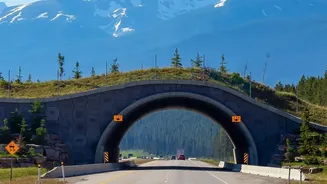
Beyond the temples and cities, the expressway opens up Maharashtra's rich natural heritage. It passes near three wildlife sanctuaries, with carefully constructed underpasses and overpasses to protect animal movement. Adventure seekers and nature lovers can now more easily access premier wildlife destinations. The Pench National Park and the Tadoba Andhari Tiger Reserve, both famed for their tiger populations, are now a much shorter drive away for travellers starting from various points along the corridor. This enhanced access encourages eco-tourism and brings more visitors to these vital conservation areas.
Discovering a Geological Marvel: Lonar Crater
One of the most unique destinations made more accessible by the expressway is the Lonar Crater in the Buldhana district. This National Geo-heritage Monument was formed by a meteorite impact over 50,000 years ago and is the only known hyper-velocity impact crater in basaltic rock on Earth. The crater holds a lake that is both alkaline and saline, creating a unique ecosystem for microorganisms. What was once a remote destination is now firmly on the tourist map, allowing science enthusiasts, trekkers, and history buffs to explore the ancient temples surrounding this natural wonder.
Heritage and Culture Within Reach
The Samruddhi Mahamarg also serves as a gateway to Maharashtra's deep cultural history. The world-renowned Ajanta and Ellora Caves, UNESCO World Heritage sites located near Chhatrapati Sambhajinagar (formerly Aurangabad), are now significantly easier to visit. The expressway provides a crucial link, cutting down travel time and making a weekend trip to these historical treasures a feasible option for many more people. Similarly, attractions like the Bibi ka Maqbara in the same region are now part of this integrated tourism network, encouraging travellers to explore beyond the major cities.