


1. Test for Skin Sensitivity
Ginger can be irritating to the skin for some people. Before applying a compress to a large area of your body, it is crucial to perform a patch test. Prepare a small amount of the ginger water and apply it to a discreet patch of skin, like the inside
of your wrist or elbow. You can even apply a small amount of the grated ginger directly to the skin for a more potent test, but be cautious. Wait for at least 20-30 minutes, or even a few hours, to see if any adverse reaction occurs, such as excessive redness, itching, a rash, or a burning sensation. If you have a history of sensitive skin or conditions like neurodermatitis, it may be best to avoid this remedy altogether. This simple step helps ensure the warming sensation remains pleasant and doesn't turn into a painful skin reaction.
2. Check the Water Temperature
The primary risk associated with a hot compress is a burn. The water for a ginger compress should be very hot to effectively infuse the ginger, but it should not be boiling when you apply the towel to your skin. After simmering the ginger and before dipping your towel, let the water cool slightly. Always test the temperature of the wrung-out towel carefully before placing it on the affected area. It should feel comfortably hot, not scalding. Wring the towel out thoroughly to prevent hot water from dripping. To protect the skin, especially during the first application, you can make the initial compress slightly less hot to allow the skin to adjust. Never fall asleep with a hot compress in place, and be extra cautious if applying it to an area with reduced sensation.
3. Know When to Avoid It
A ginger compress is not suitable for every situation or every person. It should be avoided on areas with broken skin, open wounds, rashes, or acute inflammation where the joints are already hot and swollen, such as with some forms of arthritis. It's also advised to avoid using a hot ginger compress if you have a high fever. Pregnant women should be particularly cautious; some sources recommend avoiding ginger compresses entirely during pregnancy or, at the very least, consulting a healthcare provider first, as high doses may pose risks. People with bleeding disorders or those taking blood-thinning medications should also exercise caution. Ginger has natural blood-thinning properties, and while most concerns relate to ingestion, it's wise to be careful with topical applications as well.
4. Mind the Application Area and Duration
Ginger compresses are often used on the back, abdomen, or sore joints and muscles. However, you should avoid using them on sensitive areas like the face, genitals, or directly over the heart, especially if you have a heart condition. The recommended duration for a single session is typically around 15 to 20 minutes. During this time, the towel will cool and need to be re-soaked in the hot ginger water. Pay close attention to how your skin is reacting throughout the process. The skin will likely become pink or red, which is a normal sign of increased circulation, but if it becomes uncomfortably painful or shows signs of blistering, remove the compress immediately. For chronic issues, some practitioners suggest using the compress a few times a week, but it's generally not recommended for daily use over long periods without professional guidance.
5. Use Fresh, High-Quality Ingredients
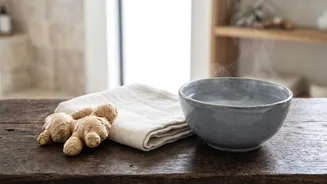
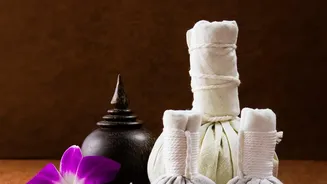
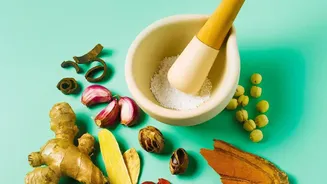
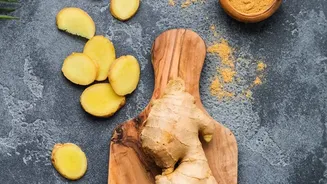
The quality of your ginger matters. For a compress, it's best to use fresh, firm, and shiny ginger root, preferably organic if available. Avoid ginger that looks shriveled, mouldy, or soft. Grating fresh ginger is standard practice for releasing its active compounds into the hot water. The process typically involves grating the root, wrapping it in a cheesecloth or thin cotton pouch, and then simmering it in a pot of water for about 5 to 10 minutes before you begin soaking the compress towel. This ensures you're getting the beneficial properties of the ginger without applying the fibrous pulp directly to your skin, which can increase the risk of irritation. Using high-quality ingredients ensures you are creating a clean, effective remedy and reduces the risk of introducing unwanted contaminants to your skin.